Thursday, October 3, 2024

In the United States, is Medical Debt is Truly Hospital Debt?

By: Ranier Simons, ADAP Blog Guest Contributor

Medical debt continues to be a crippling financial burden to many Americans, with most of the debt being owed to hospitals in the United States. Approximately 100 million adults have medical debt ranging from $500 to over $5,000.[1] Despite changes credit reporting agencies made in 2022, 15 million Americans still have more than $49 billion in unpaid medical collections on their credit reports.[2] Medical debt is a financial hindrance to many aspects of people’s lives and can even result in poor healthcare outcomes and denial of care. The evolution of medical debt relief efforts continues to move forward on the federal and state levels in hopes of unsaddling Americans of debt that they had no choice in incurring.

Past Due Notice for Medical Bill
Photo Source: Rhode Island Currant | Getty Images

In response to a 2022 report conducted by the Consumer Financial Protection Bureau (CFPB), three nationwide credit reporting bureaus - Equifax, Experian, and TransUnion – voluntarily made changes to reduce the number of reported medical bills in collections. They increased the time span that trigger reporting of medical bills in collections from 180 days to one year, stopped reporting and removed bills less than $500, and stopped reporting bills that were previously bad debt in collections but had been paid, thus resolved.[2] Despite these actions, 15 million Americans are still plagued with unpaid medical collections on their credit reporting.

In an attempt to further help Americans, CFPB proposed new rules in June 2024 that would be significant if finalized. The rules would eliminate the special medical debt exception, establish guardrails for credit reporting companies, and ban repossession of medical devices.[3] The CFPBs intent is “to end the senseless practice of weaponizing the credit reporting system to coerce patients into paying medical bills that they do not owe.”[3] These rules would help close existing loopholes that leave medical debt accessible to creditors. Additionally, since much of the collection activity reported is inaccurate, it would prevent predatory collections on false claims. Most of the people who have medical collections on their reports do not have any history of other types of credit problems.[4] It is unfair for creditors to block people from the things that they need when the CFPB found that a medical bill on a credit file is not a good indicator of the likelihood a person will repay a loan.[3]

The Urban Institute has done a great deal of work aggregating medical debt data. They created an interactive mapping tool, which shows the geography of debt in America and the debt differences that can reinforce the wealth gap between white communities and communities of color. Nationwide, roughly five percent of Americans have unpaid medical debt based on their credit reports.[5] However, the South and people of color carry a disproportionate amount of that debt. For example, in North Carolina, 8.5% of the population has medical debt in collections compared to 5% nationally. In terms of demographic distinction, 10.5% of communities of color in North Carolina have bad medical debt in contrast to 7.8% of white communities.[5]

North Carolina Governor Roy Cooper
Photo Source: Carolina Journal

Following the trajectory of other states, the administration of Governor Roy Cooper in North Carolina created a plan to alleviate medical debt in the state. With the federal government's support, Governor Cooper created the model for a plan that would link Medicaid expansion dollars to patient debt. Medicaid expansion provides billions in funding for hospitals through state-directed payments that states use to pay hospitals to care for low-income patients.[6] Governor Cooper created a plan that penalizes hospitals, reducing the Medicaid expansion funds they would receive if they do not agree to his debt-relief plan. 

Hospitals would have to expand financial aid criteria to allow more patients to qualify for aid to stave off a future of debt, in addition to eliminating old debts of low-income patients.[6] Eliminating debt would occur via debt buy-back in the manner non-profits such as Undue Medical Debt have succeeded.[6] In essence, bad debt is purchased at extreme discounts and then written off. By agreeing to the plan, hospitals would gain almost twice as much funding as they would if they did not. Atrium Health would receive roughly $1.7 billion by participating, compared to $900 million if they did not.[6] Atrium Health has been historically very aggressive with debt collection efforts against patients. In agreement with Cooper’s plan, Atrium Health announced it would nullify all existing judgments and liens against patients for unpaid bills, some going back as far as twenty years.[7]

Numerous reports have showcased how some large hospital systems have practiced aggressive collection and billing activity against vulnerable low-income patients in conflict with their fiduciary requirements to exercise charity care and institute patient financial assistance. Most of the medical debt is specifically hospital debt.[8] According to a report published by the Robert Wood Johnson Foundation, nearly 75% of adults with medical debt owe some or all of it to hospitals.

Chart Showing Source of Past-Due Medical Debt Among Adults Ages 18 to 64, Overall and by Family Income, June 2022
Photo Source: Urban Institute | RWJF

Brenda Miller with the Lown Institute previously argued in a blog, "Hospitals have the choice to offer robust financial assistance, set reasonable prices, not sue patients, and pay their fair share in community benefits if they are nonprofit. By adjusting their policies, hospitals have the power to alleviate the long-term financial suffering caused by our broken healthcare system."[9]

As a part of the continuing examination of the burden of medical debt, this week, ADAP Advocacy launched an online survey to collect data on patient perspectives and experiences with medical debt. It is available nationwide for anyone in the United States to participate. It is also anonymous with the option of providing personal information if you wish to be contacted for additional follow-up.

The ADAP Advocacy-sponsored Ryan White Grantee 340B Patient Advisory Committee commissioned the study to support patient-centered reform. Many hospitals, as recipients of drug rebates under the 340B Drug Pricing Program, are notoriously bad actors. Data from the survey will add color to patients’ lived experiences with medical debt’s whole-person effect on their lives.

Many types of consumer spending are voluntary. Most medical spending is not. When one’s health and well-being are threatened, potential financial ruin should not add stress to decisions nor influence them. Capitalism-driven financial toxicity has no place in healthcare. Hospitals should be institutions of optimal healing for all. As Jen Laws (he/him/his), CEO of Community Access National Network, points out, “...equity-minded persons and entities prioritizing impact over intent is a very real thing.”[10]

Read our related blog, Are Nonprofit Hospitals' Community Benefit Tax Breaks Truly Serving Communities in Need?

[1] Vankar, P. (2024, January 31). Medical debt in the U.S. - Statistics & Facts. Retrieved from https://www.statista.com/topics/8219/medical-debt-in-the-us/#topicOverview

[2] Consumer Financial Protection Bureau. (2024, April 29). CFPB Finds 15 Million Americans Have Medical Bills on Their Credit Reports. Retrieved from  https://www.consumerfinance.gov/about-us/newsroom/cfpb-finds-15-million-americans-have-medical-bills-on-their-credit-reports/

[3] Consumer Financial Protection Bureau. (2024, June 11). CFPB Proposes to Ban Medical Bills from Credit Reports. Retrieved from https://www.consumerfinance.gov/about-us/newsroom/cfpb-proposes-to-ban-medical-bills-from-credit-reports/

[4] Pollitz, K. (2015, Jan 8). Medical Debt Among Insured Consumers: The Role of Cost Sharing, Transparency, and Consumer Assistance. Retrieved from https://www.kff.org/health-costs/perspective/medical-debt-among-insured-consumers-the-role-of-cost-sharing-transparency-and-consumer-assistance/

[5] Urban Institute. (2024, July 10). The Changing Medical Debt Landscape in the United States. Retrieved from https://apps.urban.org/features/medical-debt-over-time/

[6] Levey, N., Alexander, A. (2024, September 23). How North Carolina Made Its Hospitals Do Something About Medical Debt. Retrieved from https://kffhealthnews.org/news/article/north-carolina-hospitals-medical-debt/?utm_campaign=KHN%3A%20First%20Edition&utm_medium=email&_hsenc=p2ANqtz-9_BieSj5YKhMJyyO8tuHpBuD1MMqvTUIH1qbLMpxBqXd2wLyVlWUhNZuMd1TjH99Epf8GJEgAie1fXAtiopyrJGRkkQg&_hsmi=325818163&utm_content=325818163&utm_source=hs_email

[7] Crouch, M., Ledger, C. (2024, September 20). Atrium Health cancels thousands of past medical debt judgments

[8] Karpman, Michal. (March 2023). MOST ADULTS W ITH PAST-DUE ME DICAL DE BT OWE MONEY TO HOSP ITAL. Robert Wood Johnson Foundation. Retrieved from https://www.rwjf.org/en/insights/our-research/2023/03/most-adults-with-past-due-medical-debt-owe-money-to-hospitals.html

[9] Miller, Brenda. (2023, March 28). Are Hospitals Driving Medical Debt? The Lown Institute. Retrieved from https://lowninstitute.org/are-hospitals-driving-medical-debt/

[10] Laws, J. (2023, June 19). The Necessity of Patient-Centered 340B Reform. Retrieved from https://www.hiv-hcv-watch.com/blog/june-19-23

Disclaimer: Guest blogs do not necessarily reflect the views of the ADAP Advocacy Association, but rather they provide a neutral platform whereby the author serves to promote open, honest discussion about public health-related issues and updates.   

Thursday, September 26, 2024

Injectable PrEP a Game Changer for HIV Prevention, But is it Accessible?

By: Ranier Simons, ADAP Blog Guest Contributor

Benjamin Franklin is credited with the phrase ‘an ounce of prevention is worth a pound of cure.’ In other words, it is better to prevent something than to deal with the consequences or attempt to fix the damage after the fact. This sentiment can be applied to many aspects of the human condition, including public health, in general, and specifically HIV/AIDS. That is why developments in Pre-Exposure Prophylaxis (PrEP) are so valuable. Recently, researchers reported a new milestone in clinical trials involving the long-acting injectable antiretroviral lenacapavir as an option for PrEP. It could be a game-changer for HIV prevention, if potential patients can access it.

Long-Acting Injectables
Photo Source: European AIDS Treatment Group

The FDA approved Gilead Science’s lenacapavir, under the brand name Sunlenca, in December 2022 as an HIV treatment for adults with limited treatment options because of things such as multi-drug resistance.[1] Sunlenca is administered as a twice-yearly injection that is given in conjunction with combinations of other HIV antiretrovirals. Gilead has continued developing additional utilizations of lenacapavir, with clinical trials exploring its efficacy as a pre-exposure prophylaxis option. This month, Gilead released interim results from one of those studies that are so promising it will begin to start seeking global regulatory approval towards the end of the year.[2]

The recent successful clinical trial results came from the Phase III PURPOSE 2 study. This study involved 2,180 subjects who were cisgender men, transgender men, transgender women, and gender non-binary individuals who have sex with partners assigned male at birth.[2] The study compared twice-yearly injections of lenacapavir to taking a once-daily Truvada pill. There were only two cases of HIV infection among the 2,180 subjects, meaning 99.9% of those in the lenacapavir arm did not acquire HIV. The comparative arm consisted of 1,087 people who take a daily Truvada pill. That group contained nine subjects who contracted HIV.[3] The study proved that twice-yearly lenacapavir performed better than the current standard form of PrEP in daily Truvada. Compared to Truvada, researchers reported that lenacapavir reduced the likelihood of contracting HIV by 96% as compared to no intervention.[3]

PURPOSE STUDY silhouette graphic
Photo Source: Amfar

These findings support lenacapavir’s effectiveness, as proven by Gilead’s Phase III PURPOSE 1 Study. The PURPOSE 1 clinical trial involved over 5,300 cisgender adolescent girls and young women ages 16-26 in South Africa and Uganda.[4] This trial also compared twice-yearly injected lenacapavir to daily oral Truvada (emitricitabine/ tenofovir disoproxil fumarate) or daily oral Descovy (emitricitabine/tenofovir alafenamide). The efficacy of lenacapavir was 100%, with none of those receiving lenacapavir contracting HIV. Conversely, 16 of the 1,068 women who took Truvada and 39 of the 2,136 women who received Descovy contracted HIV.[4]

Long-acting injectables for PrEP create a prevention option offering more ease of use than daily pills, thus increasing uptake and consistency.[5] Studies have shown that some people have adherence challenges regarding taking daily medication. For some, keeping up with a daily regimen is too psychologically or logistically taxing. For others, like some of the women in countries in Africa, having their medication discovered could pose personal safety issues. Moreover, various access challenges, including transportation, have an affect on successfully utilizing daily treatments for PrEP. A twice-yearly injection helps maintain privacy, reducing stigma, and requires less of a burden on the frequency of physical access to clinics. Moreover, it is easier to get patient buy-in on a twice-yearly injection compared to adherence to a daily treatment to prevent a disease they do not have.

Lenacapavir as PrEP would also be an injectable PrEP alternative to Apretude (cabotegravir). Presently, cabotegravir is an FDA-approved long-acting injectable for PrEP that is administered bi-monthly. However, in the two years since its approval in the U.S., there have only been about 11,000 prescriptions given compared to the roughly 382,000 annual users of oral PrEP.[6] That is only about 1.4% of PrEP users. Additionally, lenacapavir is administered subcutaneously in the abdominal area, unlike cabotegravir, which is a deep intra-muscular injection. A subcutaneous injection may be more appealing to some than a deep intra-muscular injection. Furthermore, a subcutaneous injection could mean easier access for administration since it requires less expertise than a deep intra-muscular injection.

Rx pill bottle with $100 bills rolled-up inside it
Photo Source: Daily Caring

The innovation of long-acting injectable PrEP is lost if those who are most in need cannot access it. Thus, financial innovation needs to occur as well. Long-acting injectable PrEP will most likely cost significantly more than the current generic version of Truvada as daily PrEP in pill form, which can be obtained for about $20 a month.[3] Insurers will need to be convinced of the benefits of covering twice-yearly injectable lenacapavir. Most importantly, Medicaid, which provides care for over 40% of adults under the age of 65 living with HIV, will need to effectively cover long-acting injectable PrEP.[7] Data shows that PrEP uptake is lower among those on Medicaid compared to people with private insurance, with privately insured people initiating PrEP at a seven times higher rate.[7]

The O’Neill Institute for National and Global Health Law released a publication suggesting how Medicaid can ensure coverage for long-acting injectables. The two overarching ideas are that the federal government facilitates support for long-acting integration and states modify practices to effect widespread long-acting injectable access.[8] On the federal level, the institute suggests that the Centers for Medicare and Medicaid Services (CMS) issue guidance on Medicaid’s role in supporting PrEP uptake and update their 2016 Informational Bulletin on HIV Prevention and Care Delivery to include all currently available HIV therapies and services. Additionally, they point out there is no senior administrator in CMS with HIV expertise focused on coordinating HIV policy with Medicare and Medicaid regarding the National HIV/AIDS Strategy. Thus, they should appoint an official to handle that task.[8] On a state level, they suggest that states should examine their Medicaid managed care contract standards to ensure all covered HIV medications are available across all health plans.[8]

Ongoing inquiries provide data showing that patients have favorable inclinations toward long-acting injectables, especially once they become fully aware of what is available. One source of this data is a project executed by ADAP Advocacy entitled ‘HIV LONG-ACTING INJECTABLES: Patient Access Considerations for Injectable HIV Therapies & Injectable HIV Pre-Exposure Prophylaxis’. The project consisted of a quantitative survey, a qualitative focus group, and an analysis of data among those who were HIV-positive in terms of long-acting injectables for treatment and those who were HIV-negative regarding long-acting injectables for prevention.

HIV LONG-ACTING INJECTABLES

The sample population focused on long-acting injectables for prevention included participants from 35 states, the District of Columbia and Puerto Rico.[9] Of these respondents, the majority reported that they would prefer provider or self-administered long-acting injectable PrEP as opposed to daily oral pills.[9] There was a mixture of awareness of the specific medication, Apretude. However, upon being made aware of it, those who were already aware and those newly aware were mostly open to learning more about using it or would strongly consider switching from a pill-based regimen.[9] A frequent concern was being unsure if they would be able to afford it or worried if their insurance would cover it.[9]

The PURPOSE 1 and 2 clinical trials and ongoing data indicate the promise of effective prevention that long-acting injectables can bring. Future results from PURPOSE 3, 4, and 5 will continue to strengthen proof of efficacy among even more diverse groups. It is imperative that education, policy, funding, and infrastructure be created and maintained to ensure access to those who are most in need of and desire to utilize not only long-acting injectable PrEP, but long-acting HIV treatment of all forms.

[1]  Mahobe, R. (2022, December 22). U.S. FDA approves Gilead's long-acting HIV drug Sunlenca. Retrieved from https://www.reuters.com/business/healthcare-pharmaceuticals/us-fda-approves-gileads-long-acting-hiv-drug-sunlenca-2022-12-22/#:~:text=By%20Raghav%20Mahobe,Licensing%20Rights%20%2C%20opens%20new%20tab 

[2] Manalac, T. (2024, September 13). Gilead touts 96% HIV risk reduction with twice-Yearly PrEP, eyes regulatory filings. Retrieved from https://www.biospace.com/drug-development/gilead-touts-96-hiv-risk-reduction-with-twice-yearly-prep-eyes-regulatory-filings

[3] Mundell, E. (2024, September 13). Twice-yearly injection cuts HIV risk by 96%, but will cost cut access? Retrieved from https://medicalxpress.com/news/2024-09-yearly-hiv-access.html#google_vignette

[4] Foster, Robin. (2024, June 24). Twice-a-year injection gives women full protection against HIV, trial finds. Retrieved from https://www.healthday.com/health-news/infectious-disease/twice-a-year-injection-gives-women-full-protection-against-hiv-trial-finds

[5] Edwards, G. G., Miyashita-Ochoa, A., Castillo, E. G., Goodman-Meza, D., Kalofonos, I., Landovitz, R. J., Leibowitz, A. A., Pulsipher, C., El Sayed, E., Shoptaw, S., Shover, C. L., Tabajonda, M., Yang, Y. S., & Harawa, N. T. (2023). Long-Acting Injectable Therapy for People with HIV: Looking Ahead with Lessons from Psychiatry and Addiction Medicine. AIDS and Behavior, 27(1), 10–24. https://doi.org/10.1007/s10461-022-03817-z

[6] Cairns, G. (2024, March 29). Why is the roll-out of injectable PrEP taking so long?. Retrieved from https://www.aidsmap.com/news/mar-2024/why-roll-out-injectable-prep-taking-so-long

[7] Wirth, D., Crowley, J. (2024, Sept 19). Medicaid must prepare to cover twice-yearly HIV prevention injection. Retrieved from https://www.statnews.com/2024/09/19/medicaid-prep-long-lasting-twice-yearly-prep-hiv-injection-cms/

[8] O'Neill Institute. (2024, July). Medicaid Leadership Must Ensure Access to Longer-Acting HIV Products. Retrieved from https://oneill.law.georgetown.edu/wp-content/uploads/2024/07/ONL_BIIB_Medicaid_Leadership_P5.pdf

[9] ADAP Advocacy. (2024, June). Patient access considerations for  Injectable HIV Therapies  & Injectable HIV Pre-exposure prophylaxis. Retrieved from https://www.adapadvocacy.org/pdf-docs/2024_ADAP_Project_Long_Acting_Injectables_Final_Report_06-25-24.pdf

Disclaimer: Guest blogs do not necessarily reflect the views of the ADAP Advocacy Association, but rather they provide a neutral platform whereby the author serves to promote open, honest discussion about public health-related issues and updates.   

Wednesday, September 18, 2024

HRSA Issues Numerous Guidance Letters Offering Patient Assistance

By: Ranier Simons, ADAP Blog Guest Contributor

The clients who qualify for and receive assistance through the Ryan White HIV/AIDS Program (RWHAP) are often representative of vulnerable populations. Providing a comprehensive means of providing HIV medications, healthcare, and related-services requires a whole-person approach. As such, Health Resources & Services Administration (HRSA) continues to evaluate and update its RWHAP endeavors to meet client needs. Systematic barriers exist that all to often challenge RWHAP clients’ ability to receive appropriate and consistent care. Recently, HRSA issued numerous guidance letters addressing those barriers.

HRSA

HRSA has created patient assistance initiatives to enable a more seamless delivery service system aimed at addressing various socio-economic and systemic structural needs. Two of the program letters HRSA released in June 2024 address services for people living with HIV/AIDS (PLWHA) who have been involved in the criminal justice system, and those who are affected by housing insecurity.

PLWHA, who have been involved with the criminal justice system face barriers to access to care, among many other things. A person having legal involvement is defined as anyone who is engaged at any point along the continuum of the legal system as a defendant, including arrest, incarceration, and community supervision.[1] The HRSA HIV/AIDS Bureau (HAB) released guidance emphasizing how RWHAP funds may be used to support this demographic. RWHAP funds can be used to assist PLWHA who have been incarcerated or who are incarcerated and have an expectation of eligibility for RWHAP services upon release.[1] One effective means of support is assistance with the expungement of criminal records.

Incarcerated male standing with look for reflection on his face
Photo Source: ADAP Advocacy | iStock Images

A criminal history is an obstacle to a person obtaining employment, housing, and education and subsequently affects access to healthcare. Expungement of criminal records improves the chances of successful reintegration into the community, reduces stigma, and protects privacy.[2] HRSA recognizes the importance of decreasing disparities to improve health outcomes for PLWHA. The expungement of criminal records facilitates obtaining gainful employment and securing housing, both of which translate into improving healthcare access. HRSA’s guidance informs providers that according to HRSA/HAB Policy Clarification Notice (PCN) #18-02, using RWHAP funds to help pay for expungement falls under the purview of allowable legal services because it is a matter “related to or arising from [an individual’s] HIV.”[1] Stipulations require any RWHAP recipients offering expungement services to research local laws, partner with legal counsel to create policies to determine how the services will be enacted, and ensure they are available to all eligible clients who seek help.[1]

In a related vein, in April 2024, HRSA announced new funding to support healthcare services for people transitioning out of incarceration. It earmarked $51 million to create funding opportunities for HRSA-funded health centers to develop innovative ways to give healthcare services to people in the 90-day period before their incarceration release.[3] Many people who are incarcerated have mental health conditions, substance abuse challenges, and chronic disease conditions such as HIV. The funding will enable HRSA-funded centers to provide care that ensures the continuity of medical services. This population needs case management services to help navigate things such as reinstating insurance eligibility, continuing access to medications and mental health counseling, reducing drug overdose risk, and even addressing housing and food insecurity.[3]

Quality Housing and HIV

Regarding housing assistance, HRSA also released guidance educating providers, Policy Clarification Notice (PCN) #16-02, on an additional pathway RWHAP funds can be used to assist with housing instability. HRSA listened to clients who explained that statutory stipulations against using RWHAP funds to help pay housing security deposits for clients were a roadblock to helping them access stable and permanent housing.[4] As a result, HRSA/HAB issued guidance explaining that RWHAP funds can be used to pay for housing security deposits only if procedures are in place to ensure the security deposit is returned to the RWHAP service provider and not the RWHAP client.[4] It is not mandatory for RWHAP funds to be used for this purpose. Other funding sources, such as Ending the HIV Epidemic (EHE) funds, income generated from 340B program proceeds, and non-RWHAP grant awards, can also be used to help pay for housing security deposits.[4] This guidance is simply education on the existence of the option if needed.

HRSA has additional endeavors targeting the housing needs of PLWHA in the RWHAP. One of these is the SURE Housing initiative. SURE stands for Supporting Replication of Housing Interventions in the Ryan White HIV/AIDS Program. It is a program funded from 2022 through 2026 through HRSA’s RWHAP Part F Special Projects of National Significance Program.[5] Under this initiative, ten implementation sites are funded to create replicable effective interventions for rapid re-housing and housing stability for PLWHA who fall into one of three categories: those who have been involved with the legal system, those who identify as LGBTQ+, and young adults aged 18-24.[5]

With these guidance letters, HRSA/HAB has demonstrated its commitment to fostering an effective system, offering continuity of care and services for ADAP and RWHAP clients. HRSA continues to evaluate and modify current RWHAP offerings, communicate with recipients to investigate needs of new offerings, and examine how changing policy and legal landscapes affect funding rules and statutes. Housing instability and incarceration continue to complicate the lives of many PLWHA. It is imperative that government funding continues and scales with changing needs to ensure that no one falls through the cracks.

[1] HRSA HIV/AIDS Bureau. (2024, June 6). Ryan White Colleague Letter. Retrieved from https://ryanwhite.hrsa.gov/sites/default/files/ryanwhite/grants/hrsa-hab-expungement-program-letter.pdf

[2] Hamann, K., Riley, P., Bismuth, C. (2024, January 22).The evolving landscape of sealing and expungement statutes. Retrieved from https://www.americanbar.org/groups/criminal_justice/publications/criminal-justice-magazine/2024/winter/evolving-landscape-sealing-expungement-statutes/

[3] U.S. Department of Health and Human Services. (2024, April 10). Press Release: During Second Chance Month, HRSA Takes Policy Action, Releases First-Ever Funding Opportunity for Health Centers to Support Transitions in Care for People Leaving Incarceration. Retrieved from https://www.hhs.gov/about/news/2024/04/10/health-centers-to-support-transitions-in-care-for-people-leaving-incarceration.html

[4] HRSA HIV/AIDS Bureau. (2024, June 26). Ryan White Colleague Letter. Retrieved from https://ryanwhite.hrsa.gov/sites/default/files/ryanwhite/grants/hrsa-hab-security-deposit-program-letter.pdf

[5] Target HIV. (2024). SURE Housing Initiative. Retrieved from https://targethiv.org/spns/SUREHousing

Disclaimer: Guest blogs do not necessarily reflect the views of the ADAP Advocacy Association, but rather they provide a neutral platform whereby the author serves to promote open, honest discussion about public health-related issues and updates.  

Thursday, September 12, 2024

Fireside Chat Retreat in New Haven, CT Tackles Pressing Public Health Issues

By: Brandon M. Macsata, CEO, ADAP Advocacy

ADAP Advocacy hosted its Health Fireside Chat retreat in New Haven, Connecticut among key stakeholder groups to discuss pertinent public health issues facing patients in the United States. The Health Fireside Chat convened Thursday, September 5th through Saturday, September 7th. An analysis of the negative impact pharmacy benefit managers (PBMs) are having on the nation's drug supply chain, how state prescription drug "affordability" boards (PDABs) are threatening to undermine the 'Ending the HIV Epidemic' initiative, and the explosive growth in executive compensation among Covered Entities participating in the 340B Drug Pricing Program were each evaluated and discussed by the 31 diverse stakeholders.

FDR Fireside Chat
Photo Source: Getty Images

The Health Fireside Chat kicked-off with a stakeholders reception. The retreat also featured three moderated white-board style discussion sessions on the following issues:

  • Ripple Effect: How PBMs and Counterfeit Drugs Threaten Patients — moderated by Shabbir Imber Safdar, Executive Director at Partnership for Safe Medicines (PSM) 
  • Prescription Drug Affordability Boards: A Threat to Ending the HIV Epidemic — moderated Jen Laws, President & CEO at Community Access National Network (CANN)
  • 340B Greed: Rising Revenues, Rising Executive Compensation, Rising Medical Debt...but Lower Charity Care — moderated by Brandon M. Macsata, CEO at ADAP Advocacy & Marcus J. Hopkins, Executive Director, Appalachian Learning Initiative (APPLI)

The discussion sessions were designed to capture key observations, suggestions, and thoughts about how best to address the challenges being discussed at the Health Fireside Chat. The following represents the attendees:

  • Tez Anderson, Executive Director, Let's Kick ASS (AIDS Survivor Syndrome)
  • Guy Anthony, President & Founder, Black, Gifted & Whole Foundation
  • Ninya Bostic, National Policy and Advocacy Director, IDV, Johnson & Johnson
  • Erin Bradshaw, EVP, Advancement of Patient Services & Navigation, Patient Advocate Fndn.
  • Caleb Brown, Patient Advocate, and Research Associate, Yale University 
  • De’Shea Coney, Vaccine Access and Equity Coordinator, Iowa Department of Health
  • Brady Etzkorn-Morris, Patient Advocate
  • Earl Fowlkes, President & CEO, Center for Black Equity — unable to attend
  • Vanessa Gannon, Head, Issue Advocacy, Genentech — unable to attend
  • Alexander Garbera, Member, New Haven Mayor’s Task Force on AIDS, City of New Haven, CT
  • Dusty Garner, Patient Advocate
  • Kelsey Haddow, Patient Engagement, Rare Access Action Project (RAAP) 
  • Marcus J. Hopkins, Founder & Executive Director, Appalachian Learning Initiative
  • Lisa Johnson-Lett, Peer Support Specialist, AIDS Alabama
  • Ben Kelly, Senior Vice President of Pharmacy Management, Maxor National Pharmacy Services — unable to attend
  • Jax Kelly, President, Let's Kick ASS (AIDS Survivor Syndrome) Palm Springs
  • Karen King, Harm Reduction Specialist
  • Kamaria Laffrey, Co-Executive Director, The SERO Project
  • Jen Laws, President & CEO, Community Access National Network
  • Kevin Lish, Patient Advocate, and Finance Director, SERO Project
  • Brandon M. Macsata, CEO, ADAP Advocacy
  • Judith Montenegro, Program Director, Latino Commission on AIDS
  • Steve Novis, Director, Community Alliances & Government Relations, ViiV Healthcare
  • Warren O'Meara-Dates, Founder & CEO, The 6:52 Project Foundation — unable to attend
  • David Pable, Patient Advocate
  • Kalvin Pugh, Patient Advocate
  • Shabbir Imber Safdar, Executive Director, Partnership for Safe Medicines
  • Dmitri Siegel, Alliance Development Director, Bristol-Myers Squibb
  • Ranier Simons, Policy Consultant, Community Access National Network
  • Jonathan Sosa, Patient Advocate
  • Robert Suttle, Patient Advocate
  • Nicole Tomassetti, Government Affairs Associate, Capitol Strategies Group
  • Jeremy Toney, Patient Advocate, and Research Coordinator, Henry Ford Health
  • Denise Tucker, Executive Director, State Policy, Merck
  • Olivier Viel, Associate Director, Policy & Government Affairs, Merck

Health Fireside Chat

ADAP Advocacy is pleased to share the following brief recap of the Health Fireside Chat.

Pharmacy Benefit Managers:

The first policy session was Ripple Effect: How PBMs and Counterfeit Drugs Threaten Patients, which was led by the Partnership for Safe Medicine's (PSM) Executive Director, Shabbir Imber Safdar. PSM is committed to the safety of prescription drugs and protecting consumers against counterfeit, substandard or otherwise unsafe medicines. Shabbir shared some general background on PBMs, and what they have to do with the cost of medicines. In doing so, Shabbir also dissected the role PBMs play in the cost a pharmacy pays for and gets reimbursed for medicine they dispense you? Using several attendees as props, attendees witnessed how pharmacies often lose money on filling high-cost prescriptions, as well as how patients unknowingly put other patients at risk by selling their prescriptions to criminal counterfeiter rings pretending to be "Buyers Clubs" trying to help patients. The discussion also did a deep dive on online pharmacy-only marketplaces, and how these criminal rings get these diverted and counterfeit medicine.

Be on the lookout for profiles and chats like these

Earlier this year, PSM published a report unveiling how criminal entities exploit vulnerabilities in the supply chain, made worse by PBMs, whose reimbursement policies often leave pharmacies on the edge of financial viability. According to that report, "Over the past decade, PBMs have been cutting the reimbursements pharmacies receive for the medicine they dispense to insured patients into smaller and smaller amounts. In many places, those reimbursements don’t fully cover the acquisition cost of medicine. Pharmacies now routinely dispense medication that they lose money on."

The discussion also largely centered around how the problem is being exacerbated by these criminal rings are using dating apps, such as Grindr, to targeted unsuspecting patients. Earlier this year, ADAP Advocacy, in collaboration with PSM, issued an important safety alert warning Grindr's users to stop selling their HIV and other medications on the popular gay dating App. Medicine buyback schemes falsely claim to be "Buyers Clubs" making medicine available to people who cannot afford them. In reality criminals buy medicine, and sometimes empty bottles, from patients and sell them at a discount to unsuspecting pharmacies who dispense it to patient victims. The safety alert urged Grindr's users to be more mindful of patient safety.

The following materials were shared with retreat attendees:
ADAP Advocacy would like to publicly acknowledge and thank Shabbir for facilitating this important discussion.

PDABs:

The discussion, Prescription Drug Affordability Boards: A Threat to Ending the HIV Epidemic, was led by the Community Access National Network's (CANN) President & CEO Jen Laws. CANN focuses on public policy issues relating to HIV/AIDS and viral hepatitis. Previously characterizing PDABs as "price control wolves in sheep's clothing", Jen once again stressed the potential dangers behind these entities making potentially life and death decisions without having all of the facts and real-world implications of how those decisions could adversely impact patient care. Aside from cancer drugs, antiretroviral therapies for HIV are disproportionally being targeted by PDABs in numerous states. The mechanism being eyed by these boards to "control" drug costs is what is known as the Upper Payment Limit (UPL), which is the maximum reimbursement rate above which purchasers throughout the state may not pay for prescription drug products.

Prescription Drug Affordability Boards: A Threat to Ending the HIV Epidemic?
Photo Source: CANN

Earlier this year, CANN untangled the warnings and concerns regarding PDABs. On the surface, they are presented as a simple solution to a complex issue. As further background, Jen pointed to an analysis done by CANN's State Policy Consultant, Ranier Simons, in which he summarized: "The complex problem is the extremely high healthcare expenditure in the United States. Accessing modern healthcare results in high amounts of spending from costs associated with hospitals and other facilities, medical technology creation and utilization, and even prescription drugs. Although prescription drug expenditures are only a small part of the billions spent annually on healthcare, the price of prescriptions is the low-hanging fruit that PDABs aim to attack. The money patients pay for prescription drugs is assuredly a financial burden for many. However, while PDABs aim to expressly lower the direct cost of prescription drugs for patients, their trajectory does not achieve that goal. Their actions have the potential to cause access issues in addition to potentially increasing out-of-pocket costs to consumers. This is especially true since the primary means PDABs lean toward to lower costs is the upper payment limit. Moreover, while CANN has a focus on PDAB potential outcomes regarding HIV drugs, all drugs are of concern, given that people living with HIV (PLWH) have multiple co-morbidities. Any threat to any drug utilized by vulnerable chronic disease communities is a threat to all."  

Jen walked attendees through how 340B rebates, often the lifeline for smaller, community-based providers, could be drastically reduced as a result of the "affordability determinations" being made by PDABs. He noted how CANN has routinely pushed back against the fast-paced approach in some states to rush into making affordability determinations, including submitting testimony to the PDABs in both Colorado and Maryland. Jen outlined why UPL adjustments won’t address patient access or affordability, nor will is save patients a dime. He demonstrated his point with a fictitious provider and the 340B rebates it would receive under current law, as compared to the amount after UPL adjustments. Most providers would be forced to cut services, layoff staff, and potentially cease operations.

The following materials were shared with retreat attendees: 

ADAP Advocacy would like to publicly acknowledge and thank Jen for facilitating this important discussion.

340B:

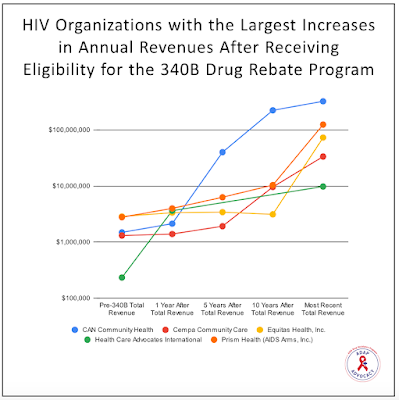
Marcus J. Hopkins, Founder & Executive Director, Appalachian Learning Initiative, concluded the retreat with a discussion focused on the 340B Drug Pricing Program and its potential impacts on the annual revenues and executive compensation amounts at Covered Entities that are eligible to receive rebates from the program, as well as the provision of charity care at cost by hospital entities who qualify. There has been an exponential increase in the number of Covered Entities from 1992 to 2021, increasing from just ~1,000 entities in 1992 to over 50,000 in 2021 (increasing from 12,700 in 2020 as a result of relaxed standards and enforcement due to the COVID-19 pandemic), which Jen Laws, President & CEO of the Community Access National Network, explained, along with additional insights from other attendees with professional knowledge of the program, that the first major increase that occurred in 2010 happened because the Health Resources Services Administration (HRSA)—the federal agency in charge of administering the program—lifted the cap on the number of contract pharmacies with which covered entities could provide medications. This decision essentially allowed organizations that did not have an on-site pharmacy to contract with external pharmacies to provide their services either at another in-person location or via mail delivery, which was becoming a more popular way to provide medications in the late-2000s and early-2010s.

HIV Organizations with the Largest Increases in Annual Revenues After Receiving Eligibility for the 340B Drug Rebate Program

The discussion brought attention to many of the barriers encountered when attempting to access information about 340B revenues from Covered Entities other than those that qualified as an AIDS Drug Assistance Program (ADAP) entity, including (but not limited to):

  • The total lack of transparency required by HRSA for non-ADAP covered entities to disclose the amount of revenues received from the program or how those revenues are utilized;
  • The numerous methods through which hospitals are able to legally create multiple other legal entities to shift funds, profits, and losses away from the primary hospital, and;
  • The ability of hospitals to purchase other hospitals and private practices and counting those purchases as both revenues increases and losses on separate line items in the federal and state tax filings.

This brought up the issue of vertical integration—the practice of a company purchasing and controlling different stages within a chain of goods or services. For example, large hospital systems across the United States have spent much of the last two decades purchasing regional hospitals, local private practices, and private pharmacies, essentially making themselves the largest single employers in many states. This benefits the hospital system by increasing their revenues through ensuring that they are essentially the only providers of healthcare services and medications in a region. This allows them to absorb the 340B revenues from many of these entities, as each entity they purchase (known as "child sites") then fall under their 340B eligibility. Major hospital systems, such as Bon Secours Mercy Health based in Virginia, have been accused of using 340B revenues (which are supposed to be utilized to increase the availability and affordability of care for lower-income patients) to open new locations in more affluent areas in order to decrease the amount of uncompensated care and increase the amount of paid services, further driving up annual revenues.

Questions centered around how ADAP Advocacy (and CANN) can better elucidate abuses in the 340B program by hospital entities and mega service providers, but also highlighting good faith actors—Covered Entities who are using the program as it was intended to be used—in order to better compare and contrast the difference between Covered Entities.

The following materials were shared with retreat attendees:

ADAP Advocacy would like to publicly acknowledge and thank Marcus for facilitating this important discussion.

Additional Fireside Chats are planned for 2024 in New York City (December).

Disclaimer: Guest blogs do not necessarily reflect the views of the ADAP Advocacy Association, but rather they provide a neutral platform whereby the author serves to promote open, honest discussion about public health-related issues and updates.

Thursday, September 5, 2024

'Ending the HIV Epidemic' Enhances RWHAP Service Delivery; Report

By: Ranier Simons, ADAP Blog Guest Contributor

The population of people living with HIV/AIDS (PWLHA) is not monolithic. Their demographics vary as much as their needs. The Ryan White HIV/AIDS Program (RWHAP) provides funding for many HIV care and support services supporting over half of the people diagnosed with HIV in the United States.[1] The program is a safety-net ‘last-resort’ source of funding for those designated as low-income, who have no insurance, who are underinsured, or who have insurance limitations. However, there are restrictions to what RWHAP funds can be used for, leaving some needs unsupported. The advent of the Ending the HIV Epidemic Initiative (EHE) in 2020 required additional funding support to enhance the service delivery system.

Ending the HIV Epidemic
Photo Source: TargetHIV

The focus of the EHE is 47 geographic jurisdictions where HIV has the highest transmission rates. The additional funding for these areas allows RWHAP recipients to expand their capability to reach those unaware of their status and those who have fallen out of or are not in regular care. The EHE funds are more flexible in their allowed usage, enabling tailored approaches not included in RWHAP statutes. Not only do they support additional efforts to reach new and different subpopulations, but they also provide training to expand the workforce in those EHE-identified areas.

HRSA recently released a data report highlighting diverse characteristics and successful outcomes of clients served who are new to care or have been re-engaged to care with the providers who have received the EHE funds. The report also highlights EHE-funding-enabled efforts by providers.

One significant hurdle EHE funding enables providers to overcome is rapid initiation of care, which directly impacts viral suppression. This is notable since in 2022, EHE-funded providers served 22,001 clients new to care and 19,204 re-engaged into care.[1] Research shows that getting a person into treatment and care as soon as possible after HIV diagnosis provides the best possible health outcomes.[2] EHE funding enabled providers to link patients new to care to treatment more quickly after identification and/or diagnosis without having to wait until the completion of RWHAP eligibility assessments. The assessments can take up to 30 days. With the EHE funding, providers are guaranteed reimbursement if a potential client ends up not being RWHAP eligible.[1] Therefore, a newly diagnosed client can get into almost immediate care, has medication and care linkage, and is given the gift of time to navigate services if found ineligible.

Viral suppression among new and estimated re-engageda clients with HIV served by EHE-funded providers, 2022—47 HRSA HAB EHE-funded jurisdictions.
Photo Source: HRSA

A notable data finding in the report is differences of socioeconomic factors. Regarding housing, newly diagnosed and re-engaging clients of EHE-funded providers faired poorer than RWHAP clients overall.[1] Approximately 15% of new EHE clients and 11% of re-engaged EHE clients were dealing with temporary housing situations compared to 6.9% of all clients served by the RWHAP.[1] Concerning unstable housing, 9.4% of new EHE clients and 4.3% of re-engaged EHE clients reported experiencing housing instability in contrast to 5.2% of all clients served by the RWHAP.[1]

The same trend continued regarding poverty. Approximately 68.9% of new clients and 64.3% of re-engaged clients of those served by EHE-funded providers lived at or below 100% of the federal poverty level compared to 58.6% of the overall RWHAP population.[1] This is indicative of comparative insurance trends between the two groups. Approximately 43.8% of new EHE clients had no health insurance coverage compared to 18.2% of overall RWHAP clientele.[1] New and re-engaged clients of EHE-funded providers also had lower rates of viral suppression. Approximately 79.2% of new clients and 85.1% of re-engaged clients had achieved viral suppression in contrast to 89.6% of RWHAP clients overall.[1] One caveat to this data metric is that the reported numbers are based on what is achieved by the end of the year. People who are new or returning to care may not have had time to achieve viral suppression yet.

In addition to client-level statistics, the data report details many ways EHE funding facilitated extended means of support, education, and expansion for recipients, helping them better target their communities' specific needs. EHE funding enabled providers to create programming and provide staffing in ways not permitted with RWHAP funds. Some clients were able to improve access to care by extending hours and days of service, providing funds for clients with transportation issues to use Lyft to get to facilities, and even using funding to pay for additional staff to meet needs that were currently not being satisfied.[1]

Providing community-specific services is paramount to assisting the populations the EHE is focused on. EHE funding allowed recipients to not only hire needed medical professionals but also train community members to provide services for their peers, such as client navigation and Linkage-to-Care coordination.[1] One of the recipients reported, “Data and Linkage to Care (DLTC) personnel are funded through EHE for aiding any person living with HIV in [our area with] accessing care and supportive services … Community Health Workers-Case Manager Supervisor [CHW-CMS] roles were implemented through EHE for expansion of HIV workforce within the state to assist with non-medical case management services. CHW-CMSs are not supported through the [redacted] Ryan White Part B and [AIDS Drug Assistance Program].”[1]

AIDS Education and Training Center (AETC) Program
Photo Source: HRSA

In support of reaching EHE goals, EHE funding was also used by the RWHAP Part F AIDS Education and Training Center (AETC) Program to provide clinical training and organizational infrastructure education.[1] Regional AETC EHE-funded trainings were aimed at various providers and health professionals who were either new to servicing PLWHA or had limited experience due to low-volume exposure.[1] They also targeted professionals such as dentists, psychiatrists, nurse practitioners, and pharmacists. These practitioners encounter PLWHA and thus can benefit from training to enhance their ability to understand their clientele and provide appropriate care. EHE-funded AETC training topics included HIV prevention, PrEP education, STI screening in primary care, and even HIV stigma and discrimination education.[1]

The EHE initiative targets explicitly communities with the highest rates of HIV transmission. EHE funding creates new opportunities and avenues for those already utilizing RWHAP funds to do even more. Most importantly, EHE funds allow for services to be provided to clients in need who do not meet RWHAP income requirements. This data report shows that continued EHE funding is necessary to effectively end the HIV epidemic by enabling an arsenal of tools and solutions that are as varied as the populations in need.

[1] HRSA. (2024). Who We Are. Retrieved from https://ryanwhite.hrsa.gov/

[2] Benson, C., Emond, B., Romdhani, H., Lefebvre, P., Côté-Sergent, A., Shohoudi, A., Tandon, N., Chow, W., & Dunn, K. (2020). Long-Term Benefits of Rapid Antiretroviral Therapy Initiation in Reducing Medical and Overall Health Care Costs Among Medicaid-Covered Patients with Human Immunodeficiency Virus. Journal of managed care & specialty pharmacy, 26(2), 117–128. https://doi.org/10.18553/jmcp.2019.19174

Disclaimer: Guest blogs do not necessarily reflect the views of the ADAP Advocacy Association, but rather they provide a neutral platform whereby the author serves to promote open, honest discussion about public health-related issues and updates.  

Thursday, August 29, 2024

Older Adults, Long-term Survivors, and Life-term Survivors in the Ryan White HIV/AIDS Program

By: Ranier Simons, ADAP Blog Guest Contributor

The lived experience of aging can be challenging. Those aging while living with HIV experience additional challenges as compared to the general population. According to the Centers for Disease Control & Prevention (CDC), in 2021, over 53 percent of people living with HIV/AIDS (PLWHA) were 50 years old or older.[1] In 2022, 48.2 percent of the 560,000 clients served by the Ryan White HIV/AIDS Program (RWHAP) were aged 50 or older.[2] As such, Health Resources & Services Administration (HRSA) recently issued a letter to RWHAP colleagues to not only bring awareness of the aging issues they should be addressing but also provide guidance and resources to help them more effectively serve the complex needs of aging PLWHA.

Ryan White HIV/AIDS Program Fun Facts: Older Adults Age 50+
Photo Source: TargetHIV

As David “Jax” Kelly, President of Let’s Kick ASS (AIDS Survivor Syndrome) Palm Springs and Founder & CEO of the Aging and HIV Institute, points out, “The community aging with HIV consists of two distinct groups long-term survivors who have been living with HIV prior to 1995, and those who are over 50 and have been living with HIV after the discovery of the "cocktail" – antiretroviral medications that changed HIV/AIDS to a chronic condition rather than a diagnosis of imminent death.” According to Kelly, this aging cohort has specific medical, psychosocial, and support needs. The fact that more PLWHA are living longer increases the urgency of bolstering the infrastructure of HIV aging services.

Just like the general population, aging PLWHA experience age-related medical issues. However, older PLWHA have a higher prevalence of non-HIV comorbidities.[3] Thus, managing multiple morbidities and polypharmacy is a challenge.[3] Numerous medical issues mean treatment with multiple medications. The difficulty of navigating the medical aspects of multiple maladies is compounded by having to monitor drug-drug interactions of non-HIV-related medications with antiretroviral therapies. In addition to prescription drugs, older PLWHA may be taking over-the-counter medicines like pain relievers and supplements.[4] Studies also show that PLWHA develop age-related non-HIV medical issues earlier than the aging general population.[5] Some of the non-HIV-related conditions with higher prevalence among PLWHA are hypertension, kidney disease, dyslipidemia, and anemia.[5] One of the possible causes of higher rates of comorbidities is the side effects of long-term ART experienced by long-term survivors. 

Aging PLWHA also have specific psychosocial needs. According to Kelly, “Long-term survivors who experienced the trauma of the AIDS plague years when life expectancy was sometimes merely a few months are experiencing another wave of loss that may trigger survivor's guilt.” Social isolation is also an issue.[6] It is a challenge for the general population, but it can be extra challenging for PLWHA; especially those who may be LGBTQ. Aging PLWHA who happen to be LGBTQ have sometimes lost friends and people they consider chosen families. Due to ageism, sexism, racism, and homophobia, they live in self-isolation and are isolated, given that society does not place any priorities on ensuring their comfortable existence. 

Depression from physical and social isolation is not the only serious mental challenge aging PLWHA struggle with. Aging, in general, can sometimes bring on a bit of mental decline. However, cognitive impairment due to HIV-associated neurocognitive disorder (HAND) is also a known complication of HIV.[7] HAND can cause difficulty with concentration and memory, irritability, and motor skills issues.[7] In late, untreated stages, it can cause dementia. Psychosocial challenges and mental decline not only result in poor mental health but are barriers to maintaining medication adherence or achieving a high level of personal care.

Support is an area where much improvement is needed. The aging PLWHA population is diverse. People in their 50s, 60s, 70s, and up have different and dynamic needs. HIV care and geriatric care are siloed and not well coordinated. A technical expert panel put together by HRSA reported that in the U.S., primary care practitioners are not skilled in geriatric care, and geriatric practitioners are not skilled in HIV care.[8] It is imperative to have coordinated care efforts that are efficient, effective, and sustainable to encompass all the needs of aging PLWHA. 

Older patient sitting in doctor's office talking to his physician
Photo Source: HRSA | Flickr

Additionally, there are shortages of geriatricians, and many primary care practitioners don’t have the time to adequately address the needs of and perform the screenings needed for aging PLWHA.[8] HIV stigma and ageism, unfortunately, exist in the medical environment as well. Many clinicians, especially younger professionals, underestimate the mental and cognitive abilities of older PLWHA and don’t view them as sexual beings. Lacking knowledge and training of what it means to age with HIV results in not performing necessary medical screenings, overlooking thorough holistic needs assessments, and even inadequate tracking of health outcomes.

HRSA understands the interdisciplinary, multifaceted approach needed to effectively serve aging PLWHA. That is why the “Dear Colleague” letter was written. The letter references many tools and knowledge sources for RWHAP recipients to utilize. 

First and foremost, the letter reminds them that it is acceptable to use RWHAP funds to support aging PLWHA across various HRSA RWHAP core medical and support service categories.[2] However, HRSA is aware that there are some needs aging PLWHA have that RWHAP funds cannot directly address. For example, long-term care is not an allowable expense through RWHAP. To that end, HRSA refers RWHAP colleagues to connect with the Administration for Community Living’s (ACL) aging network grantees.[2] These community centers offer many services to help address holistic needs, such as transportation, housing, caregiver support, insurance counseling, and nutrition services.[2]

HRSA also provides reference and training materials to inform RWHAP recipients on ways to improve service delivery and structure their organizations. These are available through TargetHIV.org and the RWHAP AIDS Education and Training Center (AETC) Program’s National Coordinating Resource Center website.[2] A couple of these reference guides are: ‘Incorporating New Elements of Care’ and ‘Putting Together the Best Healthcare Team.’ Those two guides help identify screen assessments, screenings, and social needs of aging PLWHA, as well as guidance on how to effectively staff teams and build capacity.[9]

HRSA’s commitment to support the RWHAP is truly beneficial to the success of the programming. Tez Anderson, President & Founder, Let’s Kick ASS (AIDS Survivor Syndrome), expressed these sentiments regarding HRSA’s efforts: “As an advocate and someone living with HIV for over 40 years, I’m pleased HRSA is shining a light on the Ryan White Cares services available for the large and diverse cohort of older adults living with HIV and long-term survivors. As a group, we all have unique needs, and the priority must be to improve our quality of life. For those of us who have lived over half our lives with HIV, we agree living longer is a fantastic achievement, but living better is where hope lives.”

[1] NIH Office of AIDS Research. (2024, March 12). HIV and Older People. Retrieved from https://hivinfo.nih.gov/understanding-hiv/fact-sheets/hiv-and-older-people

[2] Cheever, L. (2024, August 16). Dear Colleague Letter on Older Adults, Long-term Survivors, and Life-term Survivors in the Ryan White HIV/AIDS Program. Retrieved from https://paetc.org/resources/dear-colleague-letter-on-older-adults-long-term-survivors-and-life-term-survivors-in-the-ryan-white-hiv-aids-program/

[3] Kong, A. M., Pozen, A., Anastos, K., Kelvin, E. A., & Nash, D. (2019). Non-HIV Comorbid Conditions and Polypharmacy Among People Living with HIV Age 65 or Older Compared with HIV-Negative Individuals Aged 65 or Older in the United States: A Retrospective Claims-Based Analysis. AIDS patient care and STDs, 33(3), 93–103. https://doi.org/10.1089/apc.2018.0190

[4] NIH Office of AIDS Research. (2019, December 18). Guidelines for the Use of Antiretroviral Agents in Adults and Adolescents With HIV. Retrieved from https://clinicalinfo.hiv.gov/en/guidelines/hiv-clinical-guidelines-adult-and-adolescent-arv/special-populations-hiv-and-older

[5] Schouten, J., Wit, F. W., Stolte, I. G., Kootstra, N. A., van der Valk, M., Geerlings, S. E., Prins, M., Reiss, P., & AGEhIV Cohort Study Group (2014). Cross-sectional comparison of the prevalence of age-associated comorbidities and their risk factors between HIV-infected and uninfected individuals: the AGEhIV cohort study. Clinical infectious diseases: an official publication of the Infectious Diseases Society of America, 59(12), 1787–1797. https://doi.org/10.1093/cid/ciu701

[6] HRSA. (n.d.) Optimizing HIV Care for People Aging with HIV:  Incorporating New Elements of Care Reference Guide for Aging with HIV. Retrieved from https://ryanwhite.hrsa.gov/sites/default/files/ryanwhite/grants/aging-guide-new-elements.pdf

[7] Eggers, C., Arendt, G., Hahn, K., Husstedt, I. W., Maschke, M., Neuen-Jacob, E., Obermann, M., Rosenkranz, T., Schielke, E., Straube, E., & German Association of Neuro-AIDS und Neuro-Infectiology (DGNANI) (2017). HIV-1-associated neurocognitive disorder: epidemiology, pathogenesis, diagnosis, and treatment. Journal of Neurology, 264(8), 1715–1727. https://doi.org/10.1007/s00415-017-8503-2

[8] HRSA. (n.d.). Addressing the Health Care and Social Support Needs of People Aging with HIV: Technical Expert Panel Executive Summary. Retrieved from https://ryanwhite.hrsa.gov/sites/default/files/ryanwhite/resources/hrsa-aging-tep-summary.pdf

[9] HRSA. (2022, February). Clinical Care Guidelines and Resources. Retrieved from https://ryanwhite.hrsa.gov/grants/clinical-care-guidelines-resources

Disclaimer: Guest blogs do not necessarily reflect the views of the ADAP Advocacy Association, but rather they provide a neutral platform whereby the author serves to promote open, honest discussion about public health-related issues and updates.  

Thursday, August 22, 2024

HRSA Offers Guidance on Doxy-PEP to Stem the Tide of Rising STIs Among PLWHAs

By: Ranier Simons, ADAP Blog Guest Contributor

According to the Centers for Disease Control & Prevention (CDC), there were 2.5 million reported cases of gonorrhea, chlamydia, and syphilis in the United States in 2022.[1] The rates of sexually transmitted diseases (STIs) have been increasing globally, which is of particular concern for people living with HIV/AIDS (PLWHA). One strategy that is proving highly successful in combatting the spread of STIs is Doxy-PEP (post exposure prophylaxis).

Pharmacist's hand holding bottle of Doxycycline
Photo Source: The Washington Post

The presence of HIV in the body can, in some cases, make it harder to treat STIs.[2] Additionally, an STI can increase the HIV viral load in PLWHA who are not on treatment regimens.[3] For those with good antiretroviral adherence, an STI is not likely to change someone from undetectable to detectable. However, the numerous harms STIs inflict on the body make it essential to reduce STIs' impact on PLWHA. The Health Resources & Services Administration (HRSA) recently issued a letter to Ryan White HIV/AIDS Program (RWHAP) colleagues emphasizing their role in lowering the risk of STIs for PLWHA, as well as awareness of new clinical guidelines on the use of doxy PEP in preventing bacterial STIs.[4]

Doxy-PEP is the administration of 200 mg of doxycycline within 24-72 hours of condomless anal, vaginal, or oral sex and should not exceed a maximum of 200mg in any 24hr period.[5] Studies have shown that Doxy-PEP reduces syphilis and chlamydia infections by more than 70% and gonococcal infections by approximately 50%.[5]

Men who have sex with men (MSM) and transgender women (TGW) have been identified as groups disproportionately affected by STIs. Thus, CDC guidelines recommend that medical professionals target MSM and TGW who have had a bacterial STI in the past twelve months to offer education and counseling on the benefits of Doxy-PEP. After counseling and education, if desired, providers should provide prescriptions for Doxy-PEP to be self-administered.[5]

Take Two Doxy-PEP Within 24-72 Hours
Photo Source: The PrEP Clinic

HRSA’s letter specifically encourages RWHAP recipients to adopt the CDC guidelines and integrate Doxy-PEP into their protocols and clinical programs. The letter also urges state AIDS Drug Assistance Programs (ADAPs) to add Doxy-PEP to their drug formularies to facilitate equitable access and coverage for their eligible populations. In case they are unaware, HRSA reminds RWHAP colleagues that purchasing Doxy-PEP is an allowable cost. “RWHAP Parts A, C, and D recipients may contribute RWHAP funds to ADAPs to purchase medications and/or health care coverage and medication cost sharing for ADAP-eligible clients.”[4]

Proper administration of Doxy-PEP requires STI testing every three to six months, as well as evaluation of the appropriateness of continued utilization of doxy PEP.[5] Increasing the number of those utilizing the antibiotic intervention will also increase the instances of contact with care professionals. Increased contact means more opportunities for strengthening linkages to care and exploration of other points of need. One of the main goals of RWHAP is to improve the health outcomes of PLWHA. Adoption of Doxy-PEP practices and protocols would be another tool to add to comprehensive whole-person care along with established practices such as harm-reduction and risk-reduction counseling, facilitating access to PrEP, and regular STI testing.

Timeline on how Doxy-PEP works
Photo Source: The PrEP Clinic

Notably, HRSA’s letter highlighted the RWHAP Part F's AIDS Education and Training Center (AETC) Program and the RWHAP Part F Special Projects of National Significance Addressing STIs: “Ask. Test. Treat. Repeat.” Initiative.[6,7] Both programs provide training and information on the proper implementation of Doxy-PEP and ways to adopt and normalize routine testing of STIs. This letter from HRSAs HIV/AIDS Bureau is more than just an F.Y.I. It is a tangible outreach of support for RWHAP colleagues. 

Ryan White-funded organizations work tirelessly to stretch federal dollars to improve the health and well-being of the vulnerable populations of PLWHA they serve. Clear guidance on Doxy-PEP and the proliferation of educational resources directly acknowledges that the federal government is an active partner with and sees and embraces the efforts of RWHAP recipients.

[1] CDC. (2024, January 30). CDC’s 2022 STI Surveillance Report underscores that STIs must be a public health priority. Retrieved from https://www.cdc.gov/std/statistics/2022/default.htm

[2] U.S. Department of Health & Human Services. (2024, June 27). Sexually Transmitted Infections. Retrieved from https://www.hiv.gov/hiv-basics/staying-in-hiv-care/other-related-health-issues/sexually-transmitted-diseases#:~:text=Many%20STIs%20do%20not%20have,if%20you're%20sexually%20active.

[3] Stanford, A. (2023, September). Undetectable viral load and HIV transmission. Retrieved from https://www.aidsmap.com/about-hiv/undetectable-viral-load-and-hiv-transmission

[4] HRSA. (2024, July 31). Letter to Ryan White HIV/AIDS Program Colleagues. Retrieved from https://ryanwhite.hrsa.gov/sites/default/files/ryanwhite/grants/hab-doxy-pep-clinical-guideline-bacterial-sti-prevention.pdf

[5] CDC. (2024, June 6). CDC Clinical Guidelines on the Use of Doxycycline Postexposure Prophylaxis for Bacterial Sexually Transmitted Infection Prevention, United States, 2024. Retrieved from https://www.cdc.gov/mmwr/volumes/73/rr/rr7302a1.htm

[6] AIDS Education and Training Center Program. https://aidsetc.org/topic/sexually-transmitted-infections

[7] TargeyHIV.org. (2024). Addressing STIs: Ask. Test. Treat. Repeat. https://targethiv.org/intervention/addressing-stis-ask-test-treat-repeat?utm_source=bpURL

Disclaimer: Guest blogs do not necessarily reflect the views of the ADAP Advocacy Association, but rather they provide a neutral platform whereby the author serves to promote open, honest discussion about public health-related issues and updates.