Showing posts with label Long-Acting Injectables. Show all posts

Thursday, September 11, 2025

Federal Budget Cuts Undermine Successful Evidence-Based HIV Prevention

By: Ranier Simons, ADAP Blog Guest Contributor

To some people, HIV prevention discourse may seem commonplace or redundant. However, prevention science continues to generate exciting developments, and prevention remains the most effective weapon against the spread of HIV. Highlighting the importance of prevention is especially timely given the looming threat of potential significant cuts to HIV prevention funding in the federal budget.

More tools than ever are available to prevent HIV
Photo Source: CDC

In an effort to expand options for widespread pre-exposure prophylaxis utilization (PrEP), researchers are investigating a monthly oral option. Presently, the two oral options for PrEP are Truvada (emtricitabine/tenofovir disoproxil fumarate) and Descovy (emtricitabine/tenofovir alafenamide), which must be taken daily for the highest efficacy (NIH, 2025). As an alternative to long-acting injectable PrEP therapies, a once-a-month pill option is currently undergoing clinical trials. Taking a monthly pill would increase adherence for people who are not amenable to injections or face barriers to them.

A compound known as MK-8527 could potentially change the HIV prevention landscape. MK-8527 originated from scientists chemically modifying a pre-existing drug called islatravir (Millington, 2025). Islatravir is a member of a class of medications called nucleoside reverse transcriptase translocation inhibitors (NRTTI). NRTTI efficacy for antiviral attributes is established and has potential for long-acting pre-exposure prophylaxis. Early experiments yielded positive results in animal studies. MK-8527 is involved in two clinical studies containing 9,000 subjects worldwide spanning sixteen countries, including young women and adolescent girls in Saharan Africa (Millington, 2025). A once-a-month pill option would expand access to long-acting prevention agents since a pill option does not require administration by trained personnel or special storage and handling.

MK-8527
Photo Source: Drug Hunter

The recent U.S.Food & Drug Administration (FDA) approval of Yeztugo (lenacapavir) is another promising development. Yeztugo is a long-acting twice-a-year injection for PrEP. Lenacapavir is a promising discovery that the journal Science named as its 2024 Breakthrough of the Year (Cohen, 2024). A twice-yearly PrEP injectable option is a transformative development, significantly improving access, especially for Black and Latine populations, which are disproportionately affected by HIV in the United States, especially in the South. The on ramping of Yeztugo is simple. On the first day, a person receives two pills and two injections via the abdomen or thigh. The second day requires taking two more pills, then after that, just two injections every six months (Smith, 2025). Overcoming multifactorial barriers to PrEP access in Black and Brown communities is vital in fighting the HIV epidemic.

Despite the importance of HIV prevention and the forward momentum of scientific advances, funding dangers pose a threat. The Fiscal Year 2026 funding bill released by the Appropriations Committee of the U.S. House of Representatives calls for massive reductions. The bill calls for over $1.7 billion in funding cuts for domestic HIV prevention, treatment, and care programs (Chibbaro Jr., 2025). It would also cut the Ryan White HIV/AIDS Care and Treatment Program by $525 million, which is a twenty percent cut.

This level of funding reduction would significantly harm national prevention efforts. Passing the bill would kill the Ending the HIV Epidemic Initiative program and eliminate federal funding for all HIV prevention programs. State and local health departments are heavily dependent on this funding, as states do not have sufficient budgets to cover the requirements for effective community service. Carl Schmidt, executive director of the HIV + Hepatitis Policy Institute, in a statement on September 1st, said, “Eliminating all HIV prevention means the end of state and local testing and surveillance programs, educational programs, and linkage to lifesaving care and treatment, along with PrEP” (Chibbaro Jr., 2025). He further added, “It will translate into an increased number of new HIV infections, which will be costlier to treat in the long run” (Chibbaro Jr., 2025).

AIDS activists protesting HIV funding cuts in front of the U.S. Capitol
Photo Source: POZ

Evidence-based research continues to inform that more prevention efforts, such as increased testing, are needed, not fewer. A recent study published in the journal Clinical Infectious Diseases indicates that increased HIV testing in urgent care and emergency departments has positive outcomes. The study took place across 26 urgent care centers and 22 emergency departments in Utah’s Intermountain Health nonprofit health system. Researchers found that urgent care centers and emergency departments functioning as safety nets are where many people receive their care, including for STIs (Seibert et al., 2025).

The Seibert study was an intervention that alerted clinicians to co-test individuals for HIV whenever testing for gonorrhea and chlamydia was performed. Although this would seem to be a logical approach, it was not being consistently done. The electronic health record (EHR) alert prompted HIV co-testing coupled with a system-wide simultaneous implementation of provider and patient education and a link-to-care program for people newly diagnosed with HIV (Seibert et al., 2025). The study resulted in a 41.9% increase in HIV co-testing rates in the urgent care centers and a 53.4% increase in the emergency departments (Seibert et al., 2025). The increased co-testing resulted in 17 new diagnoses of HIV, and those individuals were promptly linked to care. The study only examined HIV co-testing alerts for those seeking tests for gonorrhea and chlamydia. Additional studies would reveal the benefit of also increasing HIV co-testing when STI testing for other diseases is requested.

HIV prevention efforts save lives by preventing people from acquiring HIV and by identifying people living with HIV to enable proper linkage to care, thus reducing the spread of the disease. Human life and population health are not simple line items on a budget spreadsheet. Reducing funding for HIV prevention will cost lives and increase health care expenditures in the long run. Whatever form of the House budget that passes will have to be reconciled with the Senate version. The future of U.S. HIV prevention will be substantially affected by the outcome.

[1] Chibbaro Jr., L. (2025, September 3). House GOP seeks to cut all U.S. HIV prevention programs in 2026. Retrieved from https://roughdraftatlanta.com/2025/09/03/gop-bill-slashes-hiv-funding/

[2] Cohen, J. (2024, December 12). 2024 Breakthrough of the year. Retrieved from https://www.science.org/content/article/breakthrough-2024#section_breakthrough

[3] Millington, H. (2025, August 26). HIV: Monthly PrEP drug candidate shows promise. Retrieved from https://www.msn.com/en-us/health/other/hiv-monthly-prep-drug-candidate-shows-promise/ar-AA1LgFAK?ocid=socialshare

[4] Seibert, A. M., Matheu, M., Buckel, W. R., Bledsoe, J., Willis, P., Balls, A., Butler, A. M., Moores, T. D., Vines, C., Hellewell, J., Smout, R., Lopansri, B., Stanfield, V., Fino, N. F., Wormser, V. R., Gutierrez, A., Gwiazdon, M., Wallin, A., Patel, P. K., & Hersh, A. L. (2025). Increasing HIV Testing During Gonorrhea and Chlamydia Evaluations in Urgent Care and Emergency Departments: A Large Health System Initiative. Clinical Infectious Diseases. https://doi.org/10.1093/cid/ciaf434. Retrieved from https://academic.oup.com/cid/advance-article/doi/10.1093/cid/ciaf434/8244966

[5] Smith, J. (2025, September 3). The First Twice-Yearly Tool to Prevent HIV Holds Promise for Black & Brown Communities. Retrieved from https://blackdoctor.org/twice-yearly-tool-to-prevent-hiv-holds-promise/

Disclaimer: Guest blogs do not necessarily reflect the views of the ADAP Advocacy Association, but rather they provide a neutral platform whereby the author serves to promote open, honest discussion about public health-related issues and updates.   

Thursday, September 26, 2024

Injectable PrEP a Game Changer for HIV Prevention, But is it Accessible?

By: Ranier Simons, ADAP Blog Guest Contributor

Benjamin Franklin is credited with the phrase ‘an ounce of prevention is worth a pound of cure.’ In other words, it is better to prevent something than to deal with the consequences or attempt to fix the damage after the fact. This sentiment can be applied to many aspects of the human condition, including public health, in general, and specifically HIV/AIDS. That is why developments in Pre-Exposure Prophylaxis (PrEP) are so valuable. Recently, researchers reported a new milestone in clinical trials involving the long-acting injectable antiretroviral lenacapavir as an option for PrEP. It could be a game-changer for HIV prevention, if potential patients can access it.

Long-Acting Injectables
Photo Source: European AIDS Treatment Group

The FDA approved Gilead Science’s lenacapavir, under the brand name Sunlenca, in December 2022 as an HIV treatment for adults with limited treatment options because of things such as multi-drug resistance.[1] Sunlenca is administered as a twice-yearly injection that is given in conjunction with combinations of other HIV antiretrovirals. Gilead has continued developing additional utilizations of lenacapavir, with clinical trials exploring its efficacy as a pre-exposure prophylaxis option. This month, Gilead released interim results from one of those studies that are so promising it will begin to start seeking global regulatory approval towards the end of the year.[2]

The recent successful clinical trial results came from the Phase III PURPOSE 2 study. This study involved 2,180 subjects who were cisgender men, transgender men, transgender women, and gender non-binary individuals who have sex with partners assigned male at birth.[2] The study compared twice-yearly injections of lenacapavir to taking a once-daily Truvada pill. There were only two cases of HIV infection among the 2,180 subjects, meaning 99.9% of those in the lenacapavir arm did not acquire HIV. The comparative arm consisted of 1,087 people who take a daily Truvada pill. That group contained nine subjects who contracted HIV.[3] The study proved that twice-yearly lenacapavir performed better than the current standard form of PrEP in daily Truvada. Compared to Truvada, researchers reported that lenacapavir reduced the likelihood of contracting HIV by 96% as compared to no intervention.[3]

PURPOSE STUDY silhouette graphic
Photo Source: Amfar

These findings support lenacapavir’s effectiveness, as proven by Gilead’s Phase III PURPOSE 1 Study. The PURPOSE 1 clinical trial involved over 5,300 cisgender adolescent girls and young women ages 16-26 in South Africa and Uganda.[4] This trial also compared twice-yearly injected lenacapavir to daily oral Truvada (emitricitabine/ tenofovir disoproxil fumarate) or daily oral Descovy (emitricitabine/tenofovir alafenamide). The efficacy of lenacapavir was 100%, with none of those receiving lenacapavir contracting HIV. Conversely, 16 of the 1,068 women who took Truvada and 39 of the 2,136 women who received Descovy contracted HIV.[4]

Long-acting injectables for PrEP create a prevention option offering more ease of use than daily pills, thus increasing uptake and consistency.[5] Studies have shown that some people have adherence challenges regarding taking daily medication. For some, keeping up with a daily regimen is too psychologically or logistically taxing. For others, like some of the women in countries in Africa, having their medication discovered could pose personal safety issues. Moreover, various access challenges, including transportation, have an affect on successfully utilizing daily treatments for PrEP. A twice-yearly injection helps maintain privacy, reducing stigma, and requires less of a burden on the frequency of physical access to clinics. Moreover, it is easier to get patient buy-in on a twice-yearly injection compared to adherence to a daily treatment to prevent a disease they do not have.

Lenacapavir as PrEP would also be an injectable PrEP alternative to Apretude (cabotegravir). Presently, cabotegravir is an FDA-approved long-acting injectable for PrEP that is administered bi-monthly. However, in the two years since its approval in the U.S., there have only been about 11,000 prescriptions given compared to the roughly 382,000 annual users of oral PrEP.[6] That is only about 1.4% of PrEP users. Additionally, lenacapavir is administered subcutaneously in the abdominal area, unlike cabotegravir, which is a deep intra-muscular injection. A subcutaneous injection may be more appealing to some than a deep intra-muscular injection. Furthermore, a subcutaneous injection could mean easier access for administration since it requires less expertise than a deep intra-muscular injection.

Rx pill bottle with $100 bills rolled-up inside it
Photo Source: Daily Caring

The innovation of long-acting injectable PrEP is lost if those who are most in need cannot access it. Thus, financial innovation needs to occur as well. Long-acting injectable PrEP will most likely cost significantly more than the current generic version of Truvada as daily PrEP in pill form, which can be obtained for about $20 a month.[3] Insurers will need to be convinced of the benefits of covering twice-yearly injectable lenacapavir. Most importantly, Medicaid, which provides care for over 40% of adults under the age of 65 living with HIV, will need to effectively cover long-acting injectable PrEP.[7] Data shows that PrEP uptake is lower among those on Medicaid compared to people with private insurance, with privately insured people initiating PrEP at a seven times higher rate.[7]

The O’Neill Institute for National and Global Health Law released a publication suggesting how Medicaid can ensure coverage for long-acting injectables. The two overarching ideas are that the federal government facilitates support for long-acting integration and states modify practices to effect widespread long-acting injectable access.[8] On the federal level, the institute suggests that the Centers for Medicare and Medicaid Services (CMS) issue guidance on Medicaid’s role in supporting PrEP uptake and update their 2016 Informational Bulletin on HIV Prevention and Care Delivery to include all currently available HIV therapies and services. Additionally, they point out there is no senior administrator in CMS with HIV expertise focused on coordinating HIV policy with Medicare and Medicaid regarding the National HIV/AIDS Strategy. Thus, they should appoint an official to handle that task.[8] On a state level, they suggest that states should examine their Medicaid managed care contract standards to ensure all covered HIV medications are available across all health plans.[8]

Ongoing inquiries provide data showing that patients have favorable inclinations toward long-acting injectables, especially once they become fully aware of what is available. One source of this data is a project executed by ADAP Advocacy entitled ‘HIV LONG-ACTING INJECTABLES: Patient Access Considerations for Injectable HIV Therapies & Injectable HIV Pre-Exposure Prophylaxis’. The project consisted of a quantitative survey, a qualitative focus group, and an analysis of data among those who were HIV-positive in terms of long-acting injectables for treatment and those who were HIV-negative regarding long-acting injectables for prevention.

HIV LONG-ACTING INJECTABLES

The sample population focused on long-acting injectables for prevention included participants from 35 states, the District of Columbia and Puerto Rico.[9] Of these respondents, the majority reported that they would prefer provider or self-administered long-acting injectable PrEP as opposed to daily oral pills.[9] There was a mixture of awareness of the specific medication, Apretude. However, upon being made aware of it, those who were already aware and those newly aware were mostly open to learning more about using it or would strongly consider switching from a pill-based regimen.[9] A frequent concern was being unsure if they would be able to afford it or worried if their insurance would cover it.[9]

The PURPOSE 1 and 2 clinical trials and ongoing data indicate the promise of effective prevention that long-acting injectables can bring. Future results from PURPOSE 3, 4, and 5 will continue to strengthen proof of efficacy among even more diverse groups. It is imperative that education, policy, funding, and infrastructure be created and maintained to ensure access to those who are most in need of and desire to utilize not only long-acting injectable PrEP, but long-acting HIV treatment of all forms.

[1]  Mahobe, R. (2022, December 22). U.S. FDA approves Gilead's long-acting HIV drug Sunlenca. Retrieved from https://www.reuters.com/business/healthcare-pharmaceuticals/us-fda-approves-gileads-long-acting-hiv-drug-sunlenca-2022-12-22/#:~:text=By%20Raghav%20Mahobe,Licensing%20Rights%20%2C%20opens%20new%20tab 

[2] Manalac, T. (2024, September 13). Gilead touts 96% HIV risk reduction with twice-Yearly PrEP, eyes regulatory filings. Retrieved from https://www.biospace.com/drug-development/gilead-touts-96-hiv-risk-reduction-with-twice-yearly-prep-eyes-regulatory-filings

[3] Mundell, E. (2024, September 13). Twice-yearly injection cuts HIV risk by 96%, but will cost cut access? Retrieved from https://medicalxpress.com/news/2024-09-yearly-hiv-access.html#google_vignette

[4] Foster, Robin. (2024, June 24). Twice-a-year injection gives women full protection against HIV, trial finds. Retrieved from https://www.healthday.com/health-news/infectious-disease/twice-a-year-injection-gives-women-full-protection-against-hiv-trial-finds

[5] Edwards, G. G., Miyashita-Ochoa, A., Castillo, E. G., Goodman-Meza, D., Kalofonos, I., Landovitz, R. J., Leibowitz, A. A., Pulsipher, C., El Sayed, E., Shoptaw, S., Shover, C. L., Tabajonda, M., Yang, Y. S., & Harawa, N. T. (2023). Long-Acting Injectable Therapy for People with HIV: Looking Ahead with Lessons from Psychiatry and Addiction Medicine. AIDS and Behavior, 27(1), 10–24. https://doi.org/10.1007/s10461-022-03817-z

[6] Cairns, G. (2024, March 29). Why is the roll-out of injectable PrEP taking so long?. Retrieved from https://www.aidsmap.com/news/mar-2024/why-roll-out-injectable-prep-taking-so-long

[7] Wirth, D., Crowley, J. (2024, Sept 19). Medicaid must prepare to cover twice-yearly HIV prevention injection. Retrieved from https://www.statnews.com/2024/09/19/medicaid-prep-long-lasting-twice-yearly-prep-hiv-injection-cms/

[8] O'Neill Institute. (2024, July). Medicaid Leadership Must Ensure Access to Longer-Acting HIV Products. Retrieved from https://oneill.law.georgetown.edu/wp-content/uploads/2024/07/ONL_BIIB_Medicaid_Leadership_P5.pdf

[9] ADAP Advocacy. (2024, June). Patient access considerations for  Injectable HIV Therapies  & Injectable HIV Pre-exposure prophylaxis. Retrieved from https://www.adapadvocacy.org/pdf-docs/2024_ADAP_Project_Long_Acting_Injectables_Final_Report_06-25-24.pdf

Disclaimer: Guest blogs do not necessarily reflect the views of the ADAP Advocacy Association, but rather they provide a neutral platform whereby the author serves to promote open, honest discussion about public health-related issues and updates.   

Thursday, August 1, 2024

Facing HIV Health Disparities in Latino Communities

By: Ranier Simons, ADAP Blog Guest Contributor

While overall HIV rates in the United States have been in decline, HIV is still a present and impactful issue. This is especially true for communities that experience a higher impact of HIV-related health disparities. One of these groups is the Latino community. The Latino community is second to the Black community about bearing the HIV burden. Several challenges converge in maintaining HIV’s disproportionate impact on the Latino community, including racism, stigma, language barriers, and access. In recently reported data for 2022 by the Centers for Disease Control & Prevention (CDC) the Latino community was about 18 percent of the U.S. population, but represented 33 percent of new HIV diagnoses.[1]

Latinos and HIV
Photo Source: Baton Rouge AIDS Society

According to PlusInc, which addresses health disparities in the United States, HIV disproportionately impacts Black and Hispanic/Latino Americans (according to 2019 data). PlusInc’s HIV health disparities statement notes:

"While Black and Hispanic/Latino make up just 13.4% and 18.5% of the U.S. population, respectively, Black Americans account for 40.3% and Hispanic/Latino Americans account for 24.7% of the total population of Persons Living with HIV/AIDS (PLWHA). Additionally, this disparity extends to the incidence, with 42% of new HIV diagnoses occurring in Black Americans and 27.8% in Hispanic/Latino Americans. According to the Centers for Disease Control and Prevention (CDC), 26% of new HIV diagnoses were among Black gay and bisexual Men who have Sex with Men (MSM), 23% were among Hispanic/Latino gay and bisexual MSM, and 45% among gay and bisexual MSM under the age of 35."

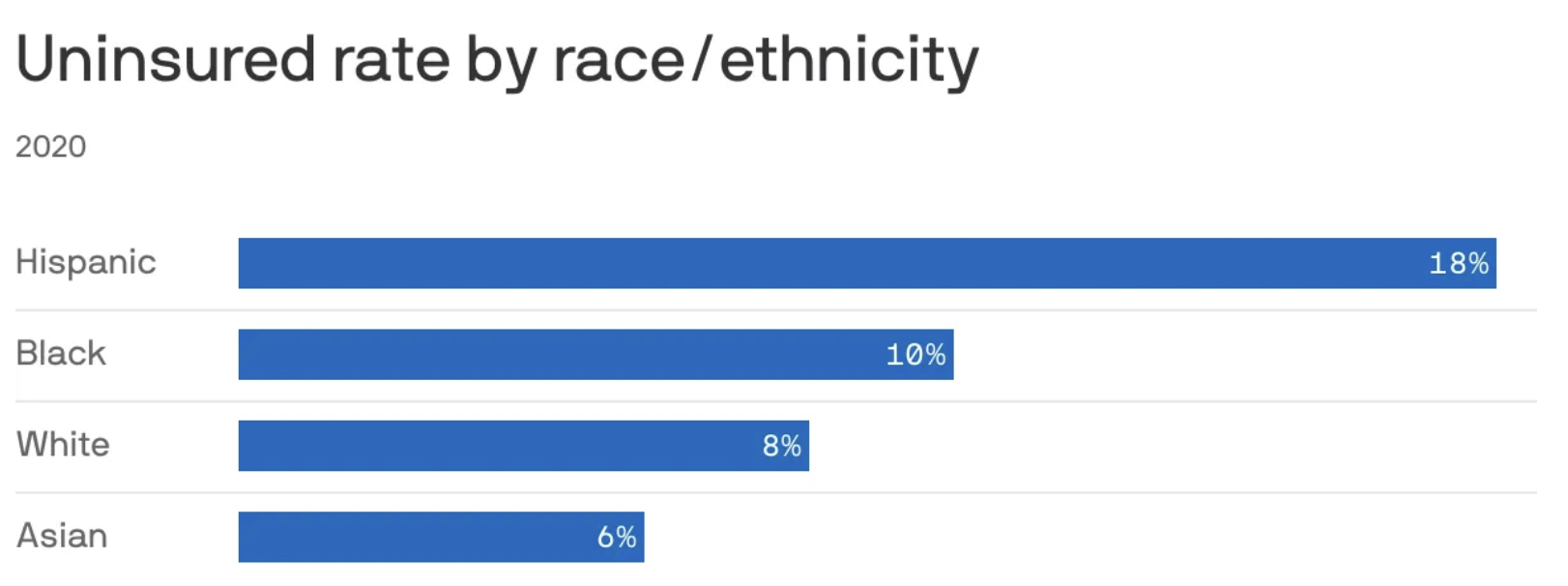
Access is a significant issue contributing to HIV challenges among Latinos. Latinos are the most underinsured/uninsured ethnic group in the United States.[2] Approximately 19 percent did not have health insurance in 2023, in contrast to 5.8 percent of White Americans and 8.6 percent of Black Americans.[3] Lack of health insurance means reduced access to HIV treatment and prevention, reduced or lack of primary healthcare services, or comorbidity management. Only 84 percent of the Latino community is aware of their HIV status, compared to 87 percent of the general population.[4] Of Latinos living with HIV who know their status, in 2021, only 72 percent received some kind of HIV care, 54 percent consistently remained in care, and only 64 percent were virally suppressed.[5]

Many Latinos are underinsured or uninsured due to financial barriers, language barriers, occupation, and even immigration status. In 2022, One-third of Latinos without health insurance were undocumented, and 37.7 percent were dependent upon Medicaid.[6] Some Latinos struggle to understand the healthcare system, and others do not seek out healthcare due to fear of deportation because of their immigration status. In states where they may be eligible for Medicaid, some Latinos in the process of acquiring citizenship are hesitant to apply out of fear of being deemed a public charge. However, only one-tenth of one percent of deportations result from public charge determinations.[6] Moreover, although ACA Medicaid expansion enables more adults to be covered, ten states have not expanded Medicaid, including Texas, Florida, and Georgia, which have large numbers of uninsured Latino residents.[6]

Uninsured rates by race/ethnicity
Photo Source: Axios

Two specific HIV care access challenges affecting the Latino community are PrEP and long-acting injectables. In 2021, Latinos represented 17 percent of PrEP users and 27 percent of new HIV diagnoses.[7] While PrEP could drastically improve outcomes, access barriers are high. Additionally, many Latinos living with HIV could greatly benefit from long-acting injectable treatments, such as Cabenuva, which would ameliorate adherence issues. However, it is expensive, and thus, paying for it out of pocket is impossible. Moreover, getting it covered in public assistance programs is also a challenge.

There are states, such as Texas, that do not carry Cabenuva on their drug formulary under the AIDS Drug Assistance Program (ADAP). Steven Vargas, Texas HIV advocate and long-term survivor, argues, “What I really want is for our Texas ADAP to be brought to its full potential in easing the burden of HIV on Texans.” 

Vargas offers some novel ideas to help Latinos in need, as well as all Texans access Cabenuva. One way would be for Texas to expand Medicaid since Cabenuva is covered by Medicaid. Another option would be to utilize state ADAP funds to purchase insurance for those in need. Unfortunately, presently, in Texas, that is not possible due to exaggerated concerns about costs and solvency. A policy proposal Vargas suggested involves the federal agency, Health Resources & Services Administration (HRSA). He suggests that the agency “...create a policy clarification mandating non-Medicaid expansion states to use ADAP funds to purchase health insurance for HIV-positive individuals. This would ensure more equitable access to healthcare and align with efforts to end the HIV epidemic in these intransigent states. Without such measures, the current inequities will persist, and achieving the goal of ending the HIV epidemic will remain out of reach.”

Stigma is another barrier from a policy, healthcare, and cultural perspective. Vargas points out, “Stigma is an overarching and deeply entrenched challenge significantly hindering Hispanic/Latino engagement in HIV services. Local efforts to increase community awareness and knowledge about HIV prevention and treatment are not prioritized and buried beneath the weight of stigmatizing edicts from our Governor and Texas Legislature.” A 2022 study shows that 11 percent of Latinos living with HIV reported encountering discrimination in a healthcare setting at least three times in a 12-month period.[5]

Stigma is keeping LGBTQ+ Hispanic and Latino men from seeking HIV care: report
Photo Source: The Hill

Cultural stigmas and norms are also high barriers to improved HIV outcomes as well. Latino men who have sex with men accounted for the highest number of new HIV diagnoses in 2022. There is a sizeable Catholic influence in Latino culture. Thus, discussing sex and sexual health is not a widely socially acceptable norm, especially if one is gay. There is also the existence of marianismo and machismo. Marianismo is the idea that women should be subservient to men even in sexual encounters, including not wearing a condom if that is what the man desires. Machismo is the ideal that men should be masculine, dominant, and virile.[8] Social pressures and stigma cause many to be fearful of seeking out care and live secretly with their status if, they are positive. This could result in increased transmission by allowing social norms to influence decision-making when it comes to sexual health and partner selection.

Reducing the impact of HIV in the Latino community will require interventions from both policy and community perspectives. The Latino community is not monolithic. Thus, there is a need for stigma intervention that explicitly targets different groups, such as youth groups, church groups, and parent groups. One such national campaign is Celebro Mi Salud (I Celebrate My Health).[9] It is designed to normalize HIV and encourage people living with HIV to seek out care and stay in care. Policy interventions would include means to strengthen collaboration between communities and local governments. There needs to be more culturally competent and bi-lingual healthcare providers as well as those involved with helping Latinos in need navigate the challenges of poverty, food insecurity, homelessness, and immigration.

There is no single simple solution. Addressing the impact of HIV requires making people whole. A holistic approach means helping Latinos in need navigate the challenges of poverty, food insecurity, homelessness, and immigration, as well as healthcare. Providing stability with the basic needs of life facilitates making personal health a priority instead of an afterthought.

[1] CDC. (2024, May). Estimated HIV incidence and prevalence in the United States, 2018–2022. HIV Surveillance Supplemental Report 2024;29(No. 1). Retrieved from https://www.cdc.gov/hiv-data/nhss/estimated-hiv-incidence-and-prevalence.html

[2] Guilamo-Ramos, V., Thimm-Kaiser, M., Benzekri, A., Chacón, G., López, O. R., Scaccabarrozzi, L., & Rios, E. (2020). The Invisible U.S. Hispanic/Latino HIV Crisis: Addressing Gaps in the National Response. American journal of public health, 110(1), 27–31. https://doi.org/10.2105/AJPH.2019.305309

[3] Vankar, P. (2024, July 10). Percentage of people in the U.S. without health insurance by ethnicity 2010-2023. Retrieved from https://www.statista.com/statistics/200970/percentage-of-americans-without-health-insurance-by-race-ethnicity/#:~:text=Percentage%20of%20people%20in%20the,insurance%20by%20ethnicity%202010%2D2023&text=In%202023%2C%20approximately%20nineteen%20percent,national%20average%20was%209.1%20percent.

[4] Helmer, J. (2024, June 2). HIV/AIDS in Hispanic and Latino Populations. Retrieved from https://www.webmd.com/hiv-aids/hiv-aids-hispanic-latino-populations

[5] The Body. (2024, April 30). How HIV Impacts Latinos in the U.S. Retrieved from https://www.thebody.com/health/hiv-aids-latinx

[6] Smith, C. (2024, April 22). Hispanics make up nearly half the nation's uninsured. Retrieved from https://www.governing.com/health/hispanics-make-up-nearly-half-the-nations-uninsured

[7] AIDSVU. (2022, July 29). AIDSVu Releases New Data Showing Significant Inequities in PrEP Use Among Black and Hispanic Americans. Retrieved from https://aidsvu.org/news-updates/prep-use-race-ethnicity-launch-22/

[8] Nuñez, A., González, P., Talavera, G. A., Sanchez-Johnsen, L., Roesch, S. C., Davis, S. M., Arguelles, W., Womack, V. Y., Ostrovsky, N. W., Ojeda, L., Penedo, F. J., & Gallo, L. C. (2016). Machismo, Marianismo, and Negative Cognitive-Emotional Factors: Findings From the Hispanic Community Health Study/Study of Latinos Sociocultural Ancillary Study. Journal of Latina/o psychology, 4(4), 202–217. https://doi.org/10.1037/lat0000050

[9] HIV.GOV. 2022. Celebrao Mi Salud. Retrieved from https://www.hiv.gov/es/respuesta-federal/campanas/celebro-mi-salud

Disclaimer: Guest blogs do not necessarily reflect the views of the ADAP Advocacy Association, but rather they provide a neutral platform whereby the author serves to promote open, honest discussion about public health-related issues and updates.  

Thursday, July 18, 2024

HIV LONG-ACTING INJECTABLES: Patient Access Considerations for Injectable HIV Therapies & Injectable HIV Pre-Exposure Prophylaxis

By: Brandon M. Macsata, CEO, ADAP Advocacy; Jen Laws, President & CEO, Community Access National Network (CANN); Marcus J. Hopkins, Founder & Executive Director, Appalachian Learning Initiative (AAPLI); and Riley Johnson, LGBTQ Health and HIV Policy Consultant

On June 26th, after nearly one year of community engagement, ADAP Advocacy published its final report, HIV LONG-ACTING INJECTABLES: Patient Access Considerations for Injectable HIV Therapies & Injectable HIV Pre-Exposure Prophylaxis

Final Report Cover - HIV LONG-ACTING INJECTABLES: Patient Access Considerations for Injectable HIV Therapies & Injectable HIV Pre-Exposure Prophylaxis
Photo Source: ADAP Advocacy

In pursuing this project, ADAP Advocacy sought to understand patient perspectives on long-acting injectables (LAIs). This occurred through three methods – a quantitative survey, a qualitative focus group, and an examination of data – across two populations – those who are HIV-positive (the use of LAIs for treatment) and those who are HIV-negative (the use of LAIs for prevention). This project was made possible by support from Gilead Sciences, Merck, and ViiV Healthcare.

ADAP Advocacy received 305 responses to the Perspectives Survey on LAI Treatments for People Living with HIV (“Treatment Survey”), which resulted in a total of 262 eligible participants from 38 states, the District of Columbia, and Puerto Rico. In addition, ADAP Advocacy conducted a post-survey focus group with 8 participants to further explore patient awareness and knowledge of, perspectives about, and access to LAI treatment options. 

ADAP Advocacy received a total of 184 responses to the Perspectives Survey on LAI HIV Prevention Medications (“Prevention Survey”), which resulted in a total of 154 eligible participants from 35 states, the District of Columbia, and Puerto Rico. ADAP Advocacy conducted a post-survey focus group with 8 participants to further explore patient awareness and knowledge of, perspectives about, and access to LAI prevention options.

The findings from this project serve as a starting point for ADAP Advocacy to conduct additional patient-centric research to learn more about the barriers as well as facilitators faced by patients seeking LAIs. This project’s research questions concerned patient treatment preferences, information pathways, utilization, and barriers to access. 

 Key findings include:

  • The majority of respondents to the Treatment Survey (52.3%) indicated that they would prefer receiving LAI medication to treat their HIV over a daily pill-based regimen; In the Prevention Survey, the majority of respondents (71.4%) indicated they would prefer an LAI over a daily pill-based regimen to prevent HIV.
  • The vast majority of respondents to the Treatment Survey (87.8%) indicated being aware of Cabenuva as an LAI to treat HIV. Of those respondents who learned about the existence of LAI medications through this survey, half (50%) reported being open to discussing them with a medical provider; Just over half of respondents to the Prevention Survey (58.4%) indicated being aware of Apretude for use as LAI PrEP. More than four out of every ten respondents (42.2%) who learned about the existence of Apretude through this survey reported being open to discussing it with a medical provider;
  • A majority of respondents to the Treatment Survey (87.7%) indicated having no issues finding information about LAI medications. Of those respondents who did have trouble finding information (12.3%), most respondents had trouble finding information about insurance coverage (78.6%), prior authorization requirements (78.6%), and the cost they would have to pay to access LAIs (71.4%);
  • Insurance coverage barriers impacted respondents’ ability to pursue LAIs, with more than 1 in 4 survey respondents (27%) reporting this barrier in the Treatment and Prevention surveys. In the case of PrEP, a majority of those experiencing this (66%) indicated that the barriers to access were so cumbersome that they decided Apretude was not right for them.

The authors wish to also thank community partners and individual advocates who helped publicize the survey. The following community partners offered their assistance: Avita Care Solutions, Community Access National Network (CANN), Georgia Equality, HealthHIV, Human Rights Campaign, International Association of Providers in AIDS Care (IAPAC), New Haven Pride Center, PlusInc, Positive Women’s Network (PWN), Positively Aware Magazine, The AIDS Institute, Vivent Health, and Yale University’s LGBTQ Resource Center. The following individual advocates helped to spread the word with this project: Guy Anthony, Wanda Brendle-Moss, Rick Guasco, Lynne Maureen Hurdle, Patrick Ingram, Kate McManus, M.D., Maria Mejia, La Kia Mondale, Kalvin Pugh, Matt Toresco, and Jennifer Vaughan. The authors also wish to express their gratitude to Perry Communications Group for their amazing work advertising both of the surveys. Lastly, this project would not be possible without the assistance of those individuals who shared the survey and those who took the time to share their perspectives.

Additional research on patient perspectives is warranted in this space. Download the final report, here.

Disclaimer: Guest blogs do not necessarily reflect the views of the ADAP Advocacy Association, but rather they provide a neutral platform whereby the author serves to promote open, honest discussion about public health-related issues and updates.

Thursday, May 2, 2024

Fireside Chat Retreat in Charleston, SC Tackles Pressing Public Health Issues

By: Brandon M. Macsata, CEO, ADAP Advocacy

ADAP Advocacy hosted its Health Fireside Chat retreat in Charleston, South Carolina among key stakeholder groups to discuss pertinent public health issues facing patients in the United States. The Health Fireside Chat convened Thursday, April 25th through Saturday, April 27th. An analysis of the collaborative relationships between patient advocacy organizations and drug manufacturers, patient perspectives about long-acting injectables for HIV treatment and prevention, and the dark side of state-sanctioned prescription drug affordability boards were evaluated and discussed by the 21 diverse stakeholders.

FDR Fireside Chat
Photo Source: Getty Images

The Health Fireside Chat included moderated white-board style discussion sessions on the following issues:

  • Patient Insights: How Patient-Industry Collaboration Can Elevate Healthcare Reform — moderated by Brandon M. Macsata, CEO, ADAP Advocacy
  • Patient Perspectives: How Long-Acting Injectables Can Improve Access to Care —moderated by Riley Johnson, Project Lead, Long-Acting Injectables Project, ADAP Advocacy
  • Patient Context: How Prescription Drug Affordability Boards Impact Access to Care — moderated by Jen Laws, President & CEO, Community Access National Network (CANN)

The discussion sessions were designed to capture key observations, suggestions, and thoughts about how best to address the challenges being discussed at the Health Fireside Chat. The following represents the attendees:

  • Maggie Blunk, Communications Manager, North Carolina AIDS Action Network
  • La’Donna Boyens, Patient Advocate
  • Erin Bradshaw, EVP for the Advancement of Patient Services and Navigation, Patient Advocate Foundation
  • Jeffrey S. Crowley, Distinguished Scholar & Program Director at the Infectious Disease Initiatives, O'Neill Institute for National and Global Health Law, Georgetown Law
  • Erin Darling, Associate Vice President and Counsel, Federal Policy, Merck
  • Hunter Fasanaro, Director of Strategic Partnerships & Healthcare Initiatives, Archo Advocacy
  • Hilary Hansen, Global Public Affairs Head, Oncology, Sanofi
  • Patrick Ingram, Community Outreach and Prevention Programs Supervisor, Hennepin County 
  • Lisa Johnson-Lett, Peer Support Specialist, AIDS Alabama
  • Riley Johnson, Founder, RAD Remedy
  • Jen Laws, President & CEO, Community Access National Network
  • Michael Luciano, Peer Treatment Educator, Palmetto Community Care
  • Brandon M. Macsata, CEO, ADAP Advocacy
  • Judith Montenegro, Program Director, Latino Commission on AIDS
  • Necaela Penn, Patient Advocate
  • Kalvin Pugh, Senior Advisor on Community Engagement, International Association of Providers of AIDS Care
  • Donna Sabatino, Director State Policy & Advocacy, The AIDS Institute
  • Larry Scott-Walker, Executive Director, THRIVE SS Inc
  • Dafina Ward, Executive Director, Southern AIDS Coalition
  • Katie Willingham, Blogger, The Well Project
  • Marcus Wilson, Senior Director, Community Engagement and Patient Advocacy, Gilead Sciences
Health Fireside Chat

ADAP Advocacy is pleased to share the following brief recap of the Health Fireside Chat.

Patient-Industry Collaboration:

The first policy session was Patient Insights: How Patient-Industry Collaboration Can Elevate Healthcare Reform, which was led by ADAP Advocacy's CEO, Brandon M. Macsata. With both patients, patient advocacy organizations, and industry partners all in the room, it represented an opportunity to discuss their collaboration. Macsata provided some background on why such collaborative relationships exist, as well as how they are perceived – including how some characterized the relationships through a negative lens. In general, and not speaking specifically to drug manufacturers money, Macsata noted several commonly accepted reasons why donors give money to organizations or causes. Donors are purpose-driven; donors trust your organization; donors understand their impact; donors have a personal connection to your purpose; donors want to be part of something meaningful; donors are engaged; and donors appreciate tax benefits.[1] He further noted industry partners providing memberships, sponsorships, or charitable grants to nonprofit patient advocacy organizations are no different.

Whereas the group agreed an fair examination of these relationships is a good thing, characterizing the support from industry partners as "dark money" or "tainted money" or "bribes" is disingenuous to the patient advocacy groups who receive it. The implied "quid pro quo" narrative is nothing more than "guilt by association" smear tactic that completely discounts the valuable work being done on public policy. The reality is often time the interests of the patient advocacy community and the interests of the drug manufacturers align, as has been the case numerous times over the years pushing back against attempts to weaken Medicare's six protected classes of drugs. 

Industry partners participating in the discussion shared their perspectives on the difference between transactional support and transformative support. The latter is designed to impact systems change, rooted in further empowering patients to end the HIV epidemic. Without industry partner support, it would be even more challenging – if not impossible – to advocate for greater access to HIV long-acting injectables, or repealing draconian HIV criminalization. All of the impudent exposes published by the likes of the KFF Health News or Axios failed to recognize that fact.

The group concluded with a lengthy assessment of the status of patient advocacy, which included calls for more transparency among these groups.

The following materials were shared with retreat attendees:

ADAP Advocacy would like to also call attention to how this very conversation is happening among academia, evidenced by the recent report featured in The Crimson‘Deal with the Devil’: Harvard Medical School Faculty Grapple with Increased Industry Research Funding.

Long-Acting Injectables:

Riley Johnson, who serves as ADAP Advocacy's Long-Acting Injectables (LAIs) Project, presented initial themes and findings from the project's research methods – including a quantitative survey, a qualitative focus group, and an examination of data – across two populations – those who are HIV-positive (the use of LAIs for treatment) and those who are HIV-negative (the use of LAIs for prevention). This project was made possible by support from Gilead Sciences, Merck, and ViiV Healthcare. A final report will be issued in May 2024.

ADAP Advocacy’s LAIs Treatment Survey had 262 respondents and the focus group had 8 participants, whereas the Prevention Survey had 184 respondents and the focus group had 8 participants. Key themes in the focus groups included provider barriers, supply chain issues, medical mistrust (both historical accounts/community trauma as well as current individual feelings), and insurance coverage barriers.

Discussion at the Fireside Chat focused on patients’ ability to navigate health environments and insurance processes as well as Fireside Chat participants sharing best practices for wraparound services that help patients address some of the more tangible issues they face when pursuing LAIs (e.g. providing documentation to assist with Family and Medical Leave Act (FMLA) requests, transportation assistance, etc.)  The final report of this iteration of the Long-Acting Injectables Project is slated for release later this month.

The following materials were shared with retreat attendees:

ADAP Advocacy would like to publicly acknowledge and thank Riley for facilitating this important discussion.

PDABs:

The Community Access National Network (CANN) action center on Prescription Drug Affordability Boards (PDABs) served as a focal point for this discussion, which was led by CANN's President & CEO, Jen Laws. While there are ten states with established boards, each operates slightly differently, with some of those including power to establish an "upper payment limit" (reimbursement ceiling) for selected medications. Because of a variety of public health funding mechanisms, specifically rebates utilized to fund Medicaid programming, federally qualified health centers and other 340B grantee entities, and State AIDS Drug Assistance Programs, these reimbursement caps are a threat to the sustainability of certain programming and efforts supporting health equity and tackling health disparities. The value of these rebates are found in the "spread" between the reduced acquisition cost and the reimbursement rate  meaning the lower the reimbursement rate the lower the value of the rebate and the fewer dollars 340B grantee entities have to reinvest in programs and services. Further, federal matching dollars for the Medicaid program are based upon reimbursement rates. Reduce the reimbursement rate and the federal matching dollars are therefore reduced.

Additional conversation centered on what medications were being reviewed for selection by PDABs, and who the target beneficiaries of any action should be (patients vs. systems). Laws pointed out that while the political marketing behind PDABs focuses language on patients and "commonly used" medications, those medications being selected are those treating rare and chronic conditions, some of which have no alternative or for which there is a contraindication for any alternatives (ie. genotype specific ARVs), and discussion is increasingly focused on so-called "savings" for the systems, rather than patients. The bait and switch on actions from the "sales point" raises serious alarms.

Further still, other layers of complication include the regular and routine concerns voiced by non-chain, independent pharmacies already facing under-reimbursement threatening their ability to serve their communities and the fact that wholesalers and distributors are often located outside of a particular state, meaning the acquisition is very likely to remain the same, regardless of reimbursement rate, threatening access to care for patients in multiple ways.

These varied concerns are ultimately why several states ended up not taking on PDAB legislation this year. Effective advocacy both pre- and post-legislation is necessary to inform these boards and ensure patients guide in a process that's supposed to be about patients. One last tidbit: all board establishing legislation contain conflict of interest provisions which otherwise prevent patient representation on these boards. In HIV, there is a commonly-accepted theme, "nothing about us without us", and yet, that's exactly what these boards are premised on doing.

The following materials were shared with retreat attendees: 

ADAP Advocacy would like to publicly acknowledge and thank Jen for facilitating this important discussion.

Additional Fireside Chats are planned for 2024 in Houston, New Haven, and New York City.

[1] Bonterra (2022, February 20). 7 reasons why donors give + how to appeal to their motives. Retrieved online from https://www.bonterratech.com/blog/7-reasons-why-donors-give

Disclaimer: Guest blogs do not necessarily reflect the views of the ADAP Advocacy Association, but rather they provide a neutral platform whereby the author serves to promote open, honest discussion about public health-related issues and updates.

Thursday, March 14, 2024

CROI 2024 Highlights: Conference on Retroviruses and Opportunistic Infections

By: Ranier Simons, ADAP Blog Guest Contributor

The fight against HIV and other viruses like HCV and SARS-CoV-2 is a worldwide team effort. That is why the Conference on Retroviruses and Opportunistic Infections (CROI) convened from March 3rd through March 6th, 2024 in Denver, Colorado. Since 1993, CROI has brought together scientists, clinical scientists, and epidemiologists to present original groundbreaking research and collaborate to advance the treatment and prevention of HIV and other viral infections and opportunistic diseases.[8] CROI is one the first places research showing the effectiveness of triple-drug therapy for HIV was shared. It was also one of the first places where the results of the SMART study were shared, which proved that early treatment of HIV provides the best outcomes.[8] This year, 4,000 attendees gathered at CROI. Participants presented a multitude of novel and emerging therapies and studies. What follows are just a few notable highlights.

CROI 2024
Photo Source: CROI

Long-Acting Injectables Blaze Forward

GSK’s long-acting injectable, cabotegravir, has already shifted the antiretroviral therapy (ART) paradigm. Coupled with rilpivirine, it is one-half of Cabenuva, the first complete ART injectable approved by the U.S. Food & Drug Administration (FDA). Cabenuva allows people who live with HIV (PLWH) to change from taking daily pills to the Cabenuva injection monthly or every two months. Studies have proven it is effective for those who have medication adherence challenges. It also presents an option for PLWH who wish to make medication management a less intrusive part of their lives.

ViiV Healthcare, the HIV-focused subsidiary of GSK, presented data from a clinical trial for a revolutionary new ultra-long-acting cabotegravir at CROI.[7] The new formulation has a higher concentration and double the half-life, potentially allowing it to be dosed every four months instead of every two.[7] Further clinical trials will be conducted to explore the use of the new formulation of cabotegravir as PrEP and as a treatment for PLWH. GSK’s goal is to have the first long-acting injectable for HIV prevention on the market by 2026 and for HIV treatment by 2027. The company also aims for an annual long-acting injectable by the first part of the 2030s.

DoxyPEP for STIs

DoxyPEP stands for doxycycline post-exposure prophylaxis. It is the practice of taking 200mg of oral doxycycline within 24 to 72 hours of condomless sex. Clinical trials have shown that DoxyPEP is effective in reducing the incidence of bacterial STIs such as syphilis and chlamydia. Results of Doxy PEP clinical studies of reducing STIs have been so promising that the CDC proposed guidelines for DoxyPEP usage in October 2022. However, those guidelines are not finalized.[1] 

Infectious disease professionals at CROI presented new data regarding DoxyPEP usage out in the real world among populations of people, mainly cisgender MSM and transgender women. Previous data was from clinical trials in contrast with new data that examined the results of DoxyPEP uptake in over 3,700 clients of sexual health clinics across San Francisco. Usage resulted in a 58% reduction in bacterial STI cases overall, a 67% reduction in chlamydia, and a 78% reduction in syphilis cases.[2] The real-world data indicated that when offered, there was a demand for DoxyPEP, and people consistently integrated it into their sexual health routine. As the Centers for Disease Control & Prevention (CDC) finalizes formal guidelines, DoxyPEP may potentially be solidified as another viable form of population wide STI prophylaxis.

Weekly Oral Antiretroviral Therapy

Long-acting injectable HIV therapy is not an optimal treatment modality for everyone. Nevertheless, other options for medication adherence that do not involve a daily regimen are needed for optimal health outcomes. At CROI, Gilead Sciences and Merck presented data from a clinical trial for a possible weekly oral antiretroviral therapy (ART) solution.

The solution is a weekly dosage of Gilead’s Sunlenca (lenacapavir), and an experimental drug named islatravir from Merck. [3,4] The phase 2 trial compared 104 patients taking daily Biktarvy (bictegravir 50mg/emtricitabine 200mg/tenofovir alafenamide 25mg tablets) with a group taking the weekly oral lenacapavir with islatravir. Data indicated that 94.2% of subjects taking the lenacapavir/islatravir combination maintained their viral suppression compared to 92.3% of the Biktarvy group.[3,4] The study will continue for another 48 weeks as open-label. This means that the study is no longer randomized. Both the medical professionals and the subjects know precisely what they are being given. There is no placebo. Studies move forward to open-label from randomized controlled studies once a high level of efficacy is proven and high benchmarks of defined endpoints are reached. 

Protecting Pregnant Women from HIV Infection

Research has shown there are physiological changes in the female body that cause a threefold increase in the risk of contracting HIV while pregnant.[5] This is especially troubling for countries where HIV is at an endemic level. Medications for HIV treatment and prevention are powerful, and it is crucial to find safe pharmaceuticals that will not harm the mother or the developing fetus.

At CROI, data from a multi-country (South Africa, Uganda, and Zimbabwe) clinical study presented safe options. A monthly flexible vaginal ring containing dapivirine as well as oral daily tenofovir disoproxil fumarate/emtricitabine PrEP (Truvada) were shown to be safe for use for pregnant women. The dapivirine vaginal ring is established in some African countries to be used as HIV prevention for cisgender women who are not pregnant. Truvada has already been proven to be safe for pregnant HIV-positive mothers to use.

The study was a randomized trial where pregnant women aged 18-40 used the dapivirine ring or received the oral PrEP up until delivery or for 41 weeks and six days, depending on which came first.[6] Only 1% experienced stillbirth or miscarriage, 95% of the women’s pregnancies went to term, and 4% of the births were premature.[6] Most importantly, none of the women contracted HIV. The results indicate that both the ring and Truvada are safe for pregnant mothers and their unborn fetuses to protect them from infection.

CROI continues to be a catalyst for pushing HIV and other infectious disease research forward. Scientific communities meet there, spurring the most qualified and passionate minds to collaborate and innovate. Whenever a cure for HIV is found, it would not be surprising if someone at a future session of CROI first presents it.

[1] DiMarco DE, Urban MA, Fine SM, et al. Doxycycline Post-Exposure Prophylaxis to Prevent Bacterial Sexually Transmitted Infections [Internet]. Baltimore (MD): Johns Hopkins University; 2023 Sep. Available from: https://www.ncbi.nlm.nih.gov/books/NBK597440/

[2] Carstens, A. (2024, March 6). DoxyPEP aces first real-world test. Retrieved from https://www.thebodypro.com/article/croi-2024-doxypep-real-world-clinical-data

[3] Clinical Trials Arena. (2024, March 7). Gilead-Merck’s combination therapy maintains HIV suppression in trial. Retrieved from https://www.clinicaltrialsarena.com/news/gilead-merck-hiv-trial/?cf-view

[4] Taylor, P. (2024, March 7). Gilead and MSD say weekly oral therapy controls HIV. Retrieved from https://pharmaphorum.com/news/gilead-and-msd-say-weekly-oral-therapy-controls-hiv

[5] Salzman, S. (2018, March 9).New study shows women's HIV risk triples during pregnancy, quadruples postpartum. Retrieved from https://www.thebodypro.com/article/new-study-shows-womens-hiv-risk-triples-during-pre

[6] HIV.gov. (2024, March 5). Vaginal ring and oral Pre-Exposure Prophylaxis found safe for HIV prevention throughout pregnancy. Retrieved from https://www.hiv.gov/blog/vaginal-ring-and-oral-pre-exposure-prophylaxis-found-safe-for-hiv-prevention-throughout-pregnancy

[7] Reuters. (2024, March 5). GSK's new HIV drug formula could support longer dosing intervals. Retrieved from https://www.reuters.com/business/healthcare-pharmaceuticals/gsks-new-hiv-drug-formula-could-support-longer-dosing-intervals-2024-03-04/

[8] CROI Foundation. (2024). General information about CROI. Retrieved from https://www.croiconference.org/about/

Disclaimer: Guest blogs do not necessarily reflect the views of the ADAP Advocacy Association, but rather they provide a neutral platform whereby the author serves to promote open, honest discussion about public health-related issues and updates.