Showing posts with label Cabotegravir. Show all posts

Thursday, August 21, 2025

Long-Acting Injectable Agents Continue to Reshape the HIV Care Continuum

By: Ranier Simons, ADAP Blog Guest Contributor

Long-acting injectable (LAI) agents remain at the forefront of medical innovation, especially regarding HIV treatment and prevention. LAIs are significant because they increase access options for people living with HIV/AIDS (PLWHA) for treatment, opening pathways for sustained viral suppression. LAIs are a solution for PLWHA who experience challenges adhering to daily oral antiretrovirals. Taking pills daily is unduly mentally burdensome as a reminder of living with HIV/AIDS; some patients cannot take daily pills due to stigma and living in an unsafe environment, and many deal with housing instability or travel frequently (New Vision, 2025). Updated study results and other recent developments solidify the efficacy and promise of LAIs as the future of treatment and prevention.

Long-Acting Injectables
Photo Source: EATG

Cabenuva (cabotegravir plus rilpivirine), approved in January 2021, is the first and only complete long-acting injectable and two-drug regimen available for HIV treatment. Initially, it was approved for monthly injection, then expanded to bi-monthly dosing (Haelle, 2025). However, Cabenuva was developed for PLWHA who have already achieved viral suppression before starting use. Ongoing research has been investigating the efficacy of Cabenuva for PLWHA with detectable viral loads, known as viremia. 

A recent study led by Ricky Hsu, MD, of NYU Langone Medical Center in New York City, indicates Cabenuva would also be effective for widespread use for PLWHA with viremia (Haelle, 2025). The study group consisted of patients selected from the Observational Pharmaco-Epidemiology Research & Analysis (OPERA) cohort. OPERA includes over 150,000 PLWHA. Among the eligible subjects who were U.S. residents, eighty-eight percent achieved viral suppression. PLWHA with viremia on oral medication need options to facilitate reaching viral suppression, and the study shows the promise of future widespread indications for LAIs to achieve that goal (Haelle, 2025). 

Moreover, the final results of the CARES study on LAI antiretroviral therapy in Africa, released in March of this year at the Conference on Retroviruses and Opportunistic Infections (CROI) in San Francisco, further support the efficacy of LAIs. The results were so promising that the World Health Organization (WHO) updated its guidelines to inform that virally suppressed PLWHA on oral medications may switch to Cabenuva because it is equivalent (New Vision, 2025). As future studies confirm the widespread use for PLWHA with viremia, the goal would be for the WHO to add this to its guidelines.

Healthcare professional holding pills and syringe
Photo Source: European Pharmaceutical Review

While very effective, Cabenuva must be administered in a medical office setting, as it is given through intramuscular injection. The requirement of travel to a clinic setting is a potential barrier for PLWHA, particularly those with transportation challenges, especially if they do not live near a conveniently located facility. A study led by Eric Meissner, M.D., Ph.D., at the Medical University of South Carolina (MUSC) examined the possibility of LAI injections in a home setting (MUSC, 2025). The project gave thirty-three participants the option to receive injections in a clinic setting or at home. Eighteen chose the home setting.

In the home setting, eighteen PLWHA were visited by licensed practical nurses (LPNs) who gave the injections. Meissner’s group arranged for pharmacies to mail LAIs to patients, along with instructions to store the medication in their refrigerators until LPN arrival. Patients were highly satisfied, indicating that home administration is a plausible way to enhance patient adherence. Home injections would be more challenging on a widespread level, given the logistics necessary to coordinate pharmacy with staffing LPNs to visit homes (MUSC, 2025). Moreover, insurance does not reimburse for the staff coordination of pharmacy and nurse visits. Making home LAI administration commonplace would require innovation of funding infrastructure as well as staffing solutions.

Long-Acting Injectables PrEP
Photo Source: Tu Salud

Cabenuva is a beneficial first step in the widespread use of LAIs for HIV treatment; however, it is not universally appropriate. Some PLWHA cannot use Cabenuva because they have resistance to non-nucleoside reverse transcriptase inhibitors (NNRTIs). The rilpivirine component of Cabenuva is an NRRTI (Haelle, 2025). One possible solution is the use of lenacapavir (Sunlenca) in addition to Cabenuva. Sunlenca is a semi-annual LAI used for people on oral antiretroviral treatment who have multiple-drug resistance issues. However, the future of long-acting agents should also include other options, such as those that are oral. One option under study is a weekly dosage of an oral combination of islatravir, a nucleoside reverse transcriptase translocation inhibitor, and lenacapavir (Haelle, 2024).

Eliminating HIV has required and will continue to require multiple tools of treatment. Current utilization of LAIs will lead to the development of new injectables and non-injectable long-acting agents. The variety of available therapies needs to keep up with the increasing variance in the characteristics of PLWHA in need of treatment. Continued research and funding innovation will be necessary to ensure the rapid growth of LAIs, and other non-injectable long-acting agents continues.

[1] Haelle, T. (2024, March 11). Once-Weekly ART Showed Similar Efficacy for HIV as Daily ART. Retrieved from https://www.medpagetoday.com/meetingcoverage/croi/109111

[2] Haelle, T. (2025, August 4). The Future of ART Regimens for HIV Is in Long-Acting Agents. Retrieved from https://www.msn.com/en-us/health/other/the-future-of-art-regimens-for-hiv-is-in-long-acting-agents/ar-AA1JTX8S?ocid=socialshare

[3] New Vision. (2025, August 6). Long-acting injectable HIV treatment as effective as daily oral pill — study. Retrieved from https://www.msn.com/en-xl/news/other/long-acting-injectable-hiv-treatment-as-effective-as-daily-oral-pill-study/ar-AA1K4slS?ocid=socialshare

Disclaimer: Guest blogs do not necessarily reflect the views of the ADAP Advocacy Association, but rather they provide a neutral platform whereby the author serves to promote open, honest discussion about public health-related issues and updates.   

Thursday, September 26, 2024

Injectable PrEP a Game Changer for HIV Prevention, But is it Accessible?

By: Ranier Simons, ADAP Blog Guest Contributor

Benjamin Franklin is credited with the phrase ‘an ounce of prevention is worth a pound of cure.’ In other words, it is better to prevent something than to deal with the consequences or attempt to fix the damage after the fact. This sentiment can be applied to many aspects of the human condition, including public health, in general, and specifically HIV/AIDS. That is why developments in Pre-Exposure Prophylaxis (PrEP) are so valuable. Recently, researchers reported a new milestone in clinical trials involving the long-acting injectable antiretroviral lenacapavir as an option for PrEP. It could be a game-changer for HIV prevention, if potential patients can access it.

Long-Acting Injectables
Photo Source: European AIDS Treatment Group

The FDA approved Gilead Science’s lenacapavir, under the brand name Sunlenca, in December 2022 as an HIV treatment for adults with limited treatment options because of things such as multi-drug resistance.[1] Sunlenca is administered as a twice-yearly injection that is given in conjunction with combinations of other HIV antiretrovirals. Gilead has continued developing additional utilizations of lenacapavir, with clinical trials exploring its efficacy as a pre-exposure prophylaxis option. This month, Gilead released interim results from one of those studies that are so promising it will begin to start seeking global regulatory approval towards the end of the year.[2]

The recent successful clinical trial results came from the Phase III PURPOSE 2 study. This study involved 2,180 subjects who were cisgender men, transgender men, transgender women, and gender non-binary individuals who have sex with partners assigned male at birth.[2] The study compared twice-yearly injections of lenacapavir to taking a once-daily Truvada pill. There were only two cases of HIV infection among the 2,180 subjects, meaning 99.9% of those in the lenacapavir arm did not acquire HIV. The comparative arm consisted of 1,087 people who take a daily Truvada pill. That group contained nine subjects who contracted HIV.[3] The study proved that twice-yearly lenacapavir performed better than the current standard form of PrEP in daily Truvada. Compared to Truvada, researchers reported that lenacapavir reduced the likelihood of contracting HIV by 96% as compared to no intervention.[3]

PURPOSE STUDY silhouette graphic
Photo Source: Amfar

These findings support lenacapavir’s effectiveness, as proven by Gilead’s Phase III PURPOSE 1 Study. The PURPOSE 1 clinical trial involved over 5,300 cisgender adolescent girls and young women ages 16-26 in South Africa and Uganda.[4] This trial also compared twice-yearly injected lenacapavir to daily oral Truvada (emitricitabine/ tenofovir disoproxil fumarate) or daily oral Descovy (emitricitabine/tenofovir alafenamide). The efficacy of lenacapavir was 100%, with none of those receiving lenacapavir contracting HIV. Conversely, 16 of the 1,068 women who took Truvada and 39 of the 2,136 women who received Descovy contracted HIV.[4]

Long-acting injectables for PrEP create a prevention option offering more ease of use than daily pills, thus increasing uptake and consistency.[5] Studies have shown that some people have adherence challenges regarding taking daily medication. For some, keeping up with a daily regimen is too psychologically or logistically taxing. For others, like some of the women in countries in Africa, having their medication discovered could pose personal safety issues. Moreover, various access challenges, including transportation, have an affect on successfully utilizing daily treatments for PrEP. A twice-yearly injection helps maintain privacy, reducing stigma, and requires less of a burden on the frequency of physical access to clinics. Moreover, it is easier to get patient buy-in on a twice-yearly injection compared to adherence to a daily treatment to prevent a disease they do not have.

Lenacapavir as PrEP would also be an injectable PrEP alternative to Apretude (cabotegravir). Presently, cabotegravir is an FDA-approved long-acting injectable for PrEP that is administered bi-monthly. However, in the two years since its approval in the U.S., there have only been about 11,000 prescriptions given compared to the roughly 382,000 annual users of oral PrEP.[6] That is only about 1.4% of PrEP users. Additionally, lenacapavir is administered subcutaneously in the abdominal area, unlike cabotegravir, which is a deep intra-muscular injection. A subcutaneous injection may be more appealing to some than a deep intra-muscular injection. Furthermore, a subcutaneous injection could mean easier access for administration since it requires less expertise than a deep intra-muscular injection.

Rx pill bottle with $100 bills rolled-up inside it
Photo Source: Daily Caring

The innovation of long-acting injectable PrEP is lost if those who are most in need cannot access it. Thus, financial innovation needs to occur as well. Long-acting injectable PrEP will most likely cost significantly more than the current generic version of Truvada as daily PrEP in pill form, which can be obtained for about $20 a month.[3] Insurers will need to be convinced of the benefits of covering twice-yearly injectable lenacapavir. Most importantly, Medicaid, which provides care for over 40% of adults under the age of 65 living with HIV, will need to effectively cover long-acting injectable PrEP.[7] Data shows that PrEP uptake is lower among those on Medicaid compared to people with private insurance, with privately insured people initiating PrEP at a seven times higher rate.[7]

The O’Neill Institute for National and Global Health Law released a publication suggesting how Medicaid can ensure coverage for long-acting injectables. The two overarching ideas are that the federal government facilitates support for long-acting integration and states modify practices to effect widespread long-acting injectable access.[8] On the federal level, the institute suggests that the Centers for Medicare and Medicaid Services (CMS) issue guidance on Medicaid’s role in supporting PrEP uptake and update their 2016 Informational Bulletin on HIV Prevention and Care Delivery to include all currently available HIV therapies and services. Additionally, they point out there is no senior administrator in CMS with HIV expertise focused on coordinating HIV policy with Medicare and Medicaid regarding the National HIV/AIDS Strategy. Thus, they should appoint an official to handle that task.[8] On a state level, they suggest that states should examine their Medicaid managed care contract standards to ensure all covered HIV medications are available across all health plans.[8]

Ongoing inquiries provide data showing that patients have favorable inclinations toward long-acting injectables, especially once they become fully aware of what is available. One source of this data is a project executed by ADAP Advocacy entitled ‘HIV LONG-ACTING INJECTABLES: Patient Access Considerations for Injectable HIV Therapies & Injectable HIV Pre-Exposure Prophylaxis’. The project consisted of a quantitative survey, a qualitative focus group, and an analysis of data among those who were HIV-positive in terms of long-acting injectables for treatment and those who were HIV-negative regarding long-acting injectables for prevention.

HIV LONG-ACTING INJECTABLES

The sample population focused on long-acting injectables for prevention included participants from 35 states, the District of Columbia and Puerto Rico.[9] Of these respondents, the majority reported that they would prefer provider or self-administered long-acting injectable PrEP as opposed to daily oral pills.[9] There was a mixture of awareness of the specific medication, Apretude. However, upon being made aware of it, those who were already aware and those newly aware were mostly open to learning more about using it or would strongly consider switching from a pill-based regimen.[9] A frequent concern was being unsure if they would be able to afford it or worried if their insurance would cover it.[9]

The PURPOSE 1 and 2 clinical trials and ongoing data indicate the promise of effective prevention that long-acting injectables can bring. Future results from PURPOSE 3, 4, and 5 will continue to strengthen proof of efficacy among even more diverse groups. It is imperative that education, policy, funding, and infrastructure be created and maintained to ensure access to those who are most in need of and desire to utilize not only long-acting injectable PrEP, but long-acting HIV treatment of all forms.

[1]  Mahobe, R. (2022, December 22). U.S. FDA approves Gilead's long-acting HIV drug Sunlenca. Retrieved from https://www.reuters.com/business/healthcare-pharmaceuticals/us-fda-approves-gileads-long-acting-hiv-drug-sunlenca-2022-12-22/#:~:text=By%20Raghav%20Mahobe,Licensing%20Rights%20%2C%20opens%20new%20tab 

[2] Manalac, T. (2024, September 13). Gilead touts 96% HIV risk reduction with twice-Yearly PrEP, eyes regulatory filings. Retrieved from https://www.biospace.com/drug-development/gilead-touts-96-hiv-risk-reduction-with-twice-yearly-prep-eyes-regulatory-filings

[3] Mundell, E. (2024, September 13). Twice-yearly injection cuts HIV risk by 96%, but will cost cut access? Retrieved from https://medicalxpress.com/news/2024-09-yearly-hiv-access.html#google_vignette

[4] Foster, Robin. (2024, June 24). Twice-a-year injection gives women full protection against HIV, trial finds. Retrieved from https://www.healthday.com/health-news/infectious-disease/twice-a-year-injection-gives-women-full-protection-against-hiv-trial-finds

[5] Edwards, G. G., Miyashita-Ochoa, A., Castillo, E. G., Goodman-Meza, D., Kalofonos, I., Landovitz, R. J., Leibowitz, A. A., Pulsipher, C., El Sayed, E., Shoptaw, S., Shover, C. L., Tabajonda, M., Yang, Y. S., & Harawa, N. T. (2023). Long-Acting Injectable Therapy for People with HIV: Looking Ahead with Lessons from Psychiatry and Addiction Medicine. AIDS and Behavior, 27(1), 10–24. https://doi.org/10.1007/s10461-022-03817-z

[6] Cairns, G. (2024, March 29). Why is the roll-out of injectable PrEP taking so long?. Retrieved from https://www.aidsmap.com/news/mar-2024/why-roll-out-injectable-prep-taking-so-long

[7] Wirth, D., Crowley, J. (2024, Sept 19). Medicaid must prepare to cover twice-yearly HIV prevention injection. Retrieved from https://www.statnews.com/2024/09/19/medicaid-prep-long-lasting-twice-yearly-prep-hiv-injection-cms/

[8] O'Neill Institute. (2024, July). Medicaid Leadership Must Ensure Access to Longer-Acting HIV Products. Retrieved from https://oneill.law.georgetown.edu/wp-content/uploads/2024/07/ONL_BIIB_Medicaid_Leadership_P5.pdf

[9] ADAP Advocacy. (2024, June). Patient access considerations for  Injectable HIV Therapies  & Injectable HIV Pre-exposure prophylaxis. Retrieved from https://www.adapadvocacy.org/pdf-docs/2024_ADAP_Project_Long_Acting_Injectables_Final_Report_06-25-24.pdf

Disclaimer: Guest blogs do not necessarily reflect the views of the ADAP Advocacy Association, but rather they provide a neutral platform whereby the author serves to promote open, honest discussion about public health-related issues and updates.   

Thursday, February 29, 2024

Evidence Suggests Long-Acting Injectables Game Changer for Adherence

By: Ranier Simons, ADAP Blog Guest Contributor

Adherence to medication is one of the most important tenets of antiretroviral therapy (ART) for people living with HIV (PLWH). Adherence is taking the appropriate medications in the proper dosages on the correct schedule. Reaching an undetectable viral load requires strict adherence, with which many PLWH have difficulty for various reasons. The recent innovation of long-acting injectables (LAI) is an attempt to strengthen adherence for PLWH who have difficulty with pill regimens. In January 2021, the U.S. Food & Drug Administration (FDA) approved Cabenuva, the first injectable drug combination for HIV.[2,5] GSK recently released results from clinical trial data indicating Cabenuva works better than daily pills for patients with adherence challenges.[1,4,5,6]

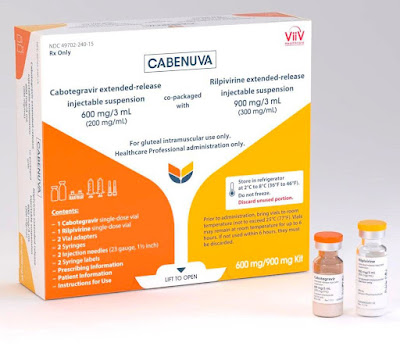
Cabenuva
Photo Source: Pharmalive

Cabenuva is a two-injection regimen of cabotegravir and rilpivirine administered either once a month or once every two months.[7] This month, GSK released data from the LATITUDE (Long-Acting Therapy to Improve Treatment Success in Daily Life) study comparing the efficacy of Cabenuva in contrast with daily pill regimens regarding adherence.[1] The screened participants were verified as having challenges with ART adherence. They were initially given a three-drug oral ART regimen, receiving comprehensive and incentivized adherence support.[1] Once they were virally suppressed, they were randomly selected to receive Cabenuva injections every four weeks or continue with daily pill therapy.[1] The strong evidence of superior efficacy of Cabenuva over daily pill therapy led the Data Safety Monitoring Board (DSMB) for Advancing Clinical Therapeutics Globally for HIV/AIDS and Other Infections (ACTG) to recommend removal of the randomization and offer all participants the option to take Cabenuva.[1]

This new development is an optimistic win in the fight against HIV. Joey Wynn, activist and chair of the ADAP Long-Acting Injectables Patient Advisory Committee, states, “Although definitely not for everyone, this is the next phase of evolution in HIV therapy. Injections allow us to get on with our lives and not be weighed down with the daily burden of taking pills.” 

There are many reasons daily pill therapy adherence is a challenge for some. Psychologically, taking daily pills is a reminder of disease that is too much for some to handle. There are people with developmental challenges who can't keep up a daily regimen. Stigma and privacy are adherence challenges for PLWH in living situations that are not safe or supportive, where the discovery of medication bottles is not ideal or dangerous.[2,3]

Weekly Pill Planner
Photo Source: NIAID

As Riley Johnson, project manager for ADAP Advocacy's Long-Acting Injectables Project, points out, “LAIs can mean consistent medication instead of having meds lost or stolen and having to navigate bureaucratic hoops to pursue replacement.”

While very promising, Cabenuva does have hurdles to its implementation. Presently, there are three main criteria to be eligible for Cabenuva. It is only approved for PLWH who are virally suppressed, have documented absence of resistance to either cabotegravir or rilpivirine, and have no prior antiretroviral treatment failures.[2] Viral suppression requires adherence to oral medication, which is the challenge LAIs were created to remedy. In 2019, the Centers for Disease Control & Prevention (CDC) estimated that only 56.8% of PLWH were virally suppressed or undetectable.[2] This means that less than half of PLWH in the U.S. would qualify for Cabenuva. 

Just as with pill regimens, cost is also a hurdle for widespread adoption. The wholesale acquisition cost of the initial/loading dose is $5,940, and monthly/maintenance injections are $3,960.[5] Insurance companies must approve Cabenuva before patients can begin therapy. This is an access issue for those who do not have medical insurance. It is also an access issue for those with insurance because some insurance companies do not have an official classification of Cabenuva as a pharmaceutical or healthcare benefit. Thus, even though ViiV Healthcare has a payment assistance program for those who have commercial insurance, the lack of clarity of benefit status means ambiguity in which costs will be billed to patients and which to insurance companies.[2]

Studies have shown that multiple social determinants of health affect many patients' ability to maintain adherence regarding pill regimens. The same challenges apply to Cabenuva. Cabenuva must be administered in a healthcare setting by a health professional. Even though the visits would only be monthly or bi-monthly, that still poses a challenge for PLWH who lack reliable and affordable transportation. While pill forms of the medications are available for emergency doses if a patient misses an injection, on-time injections of Cabenuva are imperative to ensure resistance to either of the components does not occur.[2] Shipping doses of emergency medication is not viable for people with unstable housing or living situations where receiving medication is not optimal.

Adherence
Photo Source: HIV.gov

Widespread adoption of Cabenuva also requires providers to adopt changes. Currently, with HIV healthcare, patients on established therapy only see their infectious disease doctors once or twice a year, and the responsibility of pill treatment adherence is on the patient. With Cabenuva injections, the facility's operational flow is disrupted since the injections require more frequent visits. Additionally, responsibility is added to the medical practices by ensuring patients do not miss their injection appointments and following up with them when they do. Moreover, practitioners must be trained in the z-track injection technique required for the intramuscular injection and have proper refrigeration equipment to store the Cabenuva between 2°C and 8°C.[8]

The recent data from the Cabenuva trial is a promising step in the right direction, though not without its challenges. Joey Wynn adds, “Understandably, there are issues of access for those on private insurance, clinic flow issues, and limited distribution shortages, meaning advocates need to demand improved pipeline delivery from the manufacturer so people can get what they need/want/require with less difficulties.” Riley Johnson adds, “no degree of adherence is possible if the medication is not available or accessible.” To ensure the success of the LAI landscape, policy and holistic community support will be required to keep up with the advances of science.

[1] GSK. (2024, February 21). Press release: LATITUDE phase III interim trial data indicates ViiV Healthcare’s long-acting injectable HIV treatment Cabenuva (cabotegravir + rilpivirine) has superior efficacy compared to daily therapy in individuals living with HIV who have adherence challenges. Retrieved from https://www.gsk.com/en-gb/media/press-releases/latitude-phase-iii-interim-trial-data-indicates-cabenuva-has-superior-efficacy-compared-to-daily-therapy/

[2] Pinto, R. M., Hall, E., & Tomlin, R. (2023). Injectable Long-Acting Cabotegravir-Rilpivirine Therapy for People Living With HIV/AIDS: Addressing Implementation Barriers From the Start. The Journal of the Association of Nurses in AIDS Care: JANAC, 34(2), 216–220. https://doi.org/10.1097/JNC.0000000000000386

[3] Simoni, J. M., Tapia, K., Lee, S. J., Graham, S. M., Beima-Sofie, K., Mohamed, Z. H., Christodoulou, J., Ho, R., & Collier, A. C. (2020). A Conjoint Analysis of the Acceptability of Targeted Long-Acting Injectable Antiretroviral Therapy Among Persons Living with HIV in the U.S. AIDS and Behavior, 24(4), 1226–1236. https://doi.org/10.1007/s10461-019-02701-7

[4] Hart, R. (2024, February 21). First long-acting injectable HIV treatment works better than daily pills for some patients, GSK says. Retrieved from https://www.msn.com/en-us/health/other/first-long-acting-injectable-hiv-treatment-works-better-than-daily-pills-for-some-patients-gsk-says/ar-BB1iDCzR?ocid=socialshare

[5] Bernstein, L. (2021, January 22). FDA approves breakthrough injectable HIV medication. Retrieved from FDA approves breakthrough injectable HIV medication

[6] Liu, A. (2024, February 21).GSK’s long-acting HIV med Cabenuva beats daily therapy in patients who've faced adherence hurdles. Retrieved from https://www.fiercepharma.com/pharma/cabenuva-trial-modified-gsks-long-acting-hiv-med-beat-daily-therapy-patients-adherence

[7] VIIV Healthcare. (2024, January). Cabenuva. Retrieved from https://www.cabenuva.com/  

[8] De Vito, A., Botta, A., Berruti, M., Castelli, V., Lai, V., Cassol, C., Lanari, A., Stella, G., Shallvari, A., Bezenchek, A., & Di Biagio, A. (2022). Could Long-Acting Cabotegravir-Rilpivirine Be the Future for All People Living with HIV? Response Based on Genotype Resistance Test from a Multicenter Italian Cohort. Journal of personalized medicine, 12(2), 188. https://doi.org/10.3390/jpm12020188

Disclaimer: Guest blogs do not necessarily reflect the views of the ADAP Advocacy Association, but rather they provide a neutral platform whereby the author serves to promote open, honest discussion about public health-related issues and updates. 

Thursday, February 17, 2022

FDA Extends Cabenuva Approval to Every Two Months

By: Ranier Simons, ADAP Blog Guest Contributor

The primary weapons in the fight against HIV are anti-retroviral drugs, commonly referred to as ARVs. ARVs work by lowering the levels of HIV, known as viral load, in the body to stop HIV’s damage to the immune system. Viral load is measured by the number of copies of HIV RNA in a milliliter of blood.[1] The goal of ARV’s is to decrease the viral load to the point that standard tests cannot detect it. This level of viral suppression is commonly known as ‘undetectable’, and with it comes the important  'undetectable equals untransmissible' (#UequalsU) treatment goal.[2] Moreover, viral suppression means a significant reduction in the damage HIV can do to the body. This fight recently gained a new weapon, with two-month dosing of the injectable HIV therapy, Cabenuva.

Effective treatment means maintaining the levels of the medications in the body. This requires adherence to daily dosing. Not keeping the drugs at appropriate levels in the blood can increase viral load, damage immune cells such as CD4’s, and even drug resistance.[3] Drug resistance means that mutations of HIV could develop that are not responsive to a person's treatment regimen rendering that regimen ineffective and making it harder to find other medications that will work. 

Hands holding pills
Photo Source: Very Well Health

Early in the fight against HIV, drug regimens consisted of multiple pills several times a day. Toxicity issues, as well as issues keeping dosage schedules, were significant barriers to treatment. Modern-day once-daily one pill regimens were developed to combat both of those issues. However, some patients still experience difficulties with adherence. The most reported adherence challenges are forgetfulness, stigma, health perception, and digestive side effects.[4]

Some patients report having issues remembering to take their medication daily, especially those who have been on long-term therapy. Stigma is a concern by those who do not want family members to know they are living with HIV or to see them take medications. They do not want coworkers to know they are on medication and are psychologically harmed by the daily reminder of their health status. Health perception is an issue for long-term ARV patients because they feel healthy; thus, they become inconsistent with their dosing. Some patients also are inconsistent with their regimens due to perceived and experienced side-effects they experience from the drugs.

The evolution of ARV drug development has led to recent innovations to battle adherence issues. In January 2021, the U.S. Food & Drug Administration (FDA) approved a once-a-month injectable HIV treatment called Cabenuva. It is an extended-release injectable of cabotegravir and rilpivirine. The drug is a collaboration between Janssen Pharmaceuticals of Johnson & Johnson and ViiV Healthcare. Cabenuva is two separate injections into the buttock muscles, with the extended-release rilpivirine having been developed by Janssen and the extended-release cabotegravir from ViiV Healthcare.[5]

Cabenuva
Photo Source: The New York Times

Cabenuva is meant for those who are virologically suppressed on a stable regimen and who have no history of treatment failure or known resistance to cabotegravir or rilpivirine. Proper administration requires one month of daily administration of rilpivirine and cabotegravir in pill form to assess tolerance before beginning the monthly injections of Cabenuva. 

Continued research into daily Cabenuva proved that it is effective. Its efficacy has proven to be so positive that on February 1, 2022, the FDA approved it for two-month injectable treatment. Therefore, some patients can be treated with only six sets of injections annually instead of twelve. The extended label approval of Cabenuva from one to two months is based on the ATLAS-2M phase IIIb trial results. An ongoing clinical trial shows that in terms of virologic suppression, every two-month dosing is not inferior to monthly dosing. ATLAS-2M is being conducted in Australia, Argentina, Canada, France, Germany, Italy, Mexico, Russia, South Africa, South Korea, Spain, Sweden, and the United States.[6]

The most common adverse reactions were fever, injection site reactions, fatigue, headache, musculoskeletal pain, nausea, sleep disorders, dizziness, and rash. The type and frequency of experienced adverse reactions were similar in those receiving the injection monthly or every two months. Additionally, the rates of serious adverse events or withdrawal due to adverse events were similar between the two groups.

This new FDA approval has the potential to be life-changing for those where Cabenuva treatment is appropriate. For further information on ATLAS-2M, please see https://clinicaltrials.gov/ct2/show/NCT03299049.

[1] Peabody, R. (2017, May). Viral load. Retrieved from https://www.aidsmap.com/about-hiv/viral-load#:~:text=The%20results%20of%20a%20viral,100%2C000%20would%20be%20considered%20high
[2] NIH. (2020, June 12). 10 Things to know about HIV suppression. Retrieved from https://www.niaid.nih.gov/diseases-conditions/10-things-know-about-hiv-suppression#:~:text=Daily%20antiretroviral%20therapy%20can%20reduce,to%20keep%20the%20virus%20suppressed
[3] Peabody, R. (2019, July). Adherence to HIV treatment. Retrieved from https://www.aidsmap.com/about-hiv/adherence-hiv-treatment
[4] Genberg, B. L., Lee, Y., Rogers, W. H., & Wilson, I. B. (2015). Four types of barriers to adherence of antiretroviral therapy are associated with decreased adherence over time. AIDS and behavior, 19(1), 85–92. https://doi.org/10.1007/s10461-014-0775-2
[5] Janssen Pharmaceuticals. (2022, February 1). U.S. FDA approves CABENUVA (rilpivirine and cabotegravir) for use every two months, expanding the label of the first and only long-acting HIV treatment. Retrieved from https://www.janssen.com/us/sites/www_janssen_com_usa/files/us_fda_approves_cabenuva_rilpivirine_and_cabotegravir_for_use_every_two_months_expanding_the_label_of_the_first_and_only_long_acting_hiv_treatment.pdf
[6] ViiV Healthcare. (2022, February 1). ViiV Healthcare announces us FDA approval of Cabenuva (cabotegravir, rilpivirine) for use every two months, expanding the label of the first and only complete long-acting hiv treatment. Retrieved from https://viivhealthcare.com/en-us/media-center/news/press-releases/2022/january/viiv-healthcare-announces-us-fda-approval-of-cabenuva/

Disclaimer: Guest blogs do not necessarily reflect the views of the ADAP Advocacy Association, but rather they provide a neutral platform whereby the author serves to promote open, honest discussion about public health-related issues and updates.

Thursday, July 23, 2020

Is Long-Lasting, Injectable Medication the Future of HIV Therapy?

By: Sarah Hooper,  intern, ADAP Advocacy Association, and rising senior at East Carolina University

Long-lasting medication to treat patients living with HIV/AIDS has been a goal of the medical field since the early days of the epidemic. Currently, most HIV therapies include daily medication involving multiple pills, which has proven to be expensive for the average patient, as well as potentially challenging for medication adherence. That could be changing, because an investigational, long-acting, injectable, 2-drug regimen of cabotegravir (ViiV Healthcare) and rilpivirine (Janssen) for the treatment of HIV is showing promise.

At the 2020 Conference on Retroviruses and Opportunistic Infections, ViiV Healthcare announced results from its 96-week global phase III FLAIR study. The results demonstrated the injectable therapy "continued to provide non-inferior efficacy and comparable safety to the daily, oral, three-drug regimen of Triumeq (abacavir/dolutegravir/lamivudine-ABC/DTG/3TC)." Also, compared to their previous, oral treatment, patients who participated in the study expressed a high level of treatment satisfaction at week 48, as well as week 96 (ViiV Healthcare).

Cabotegravir
Photo Source: Christian Today

"Our focus on creating innovative treatment options for people living with HIV is further supported by these long-term findings of a long-acting injectable HIV treatment regimen. The efficacy and safety data of cabotegravir and rilpivirine at 96 weeks, as well as a high level of treatment satisfaction for the long-acting regimen, further encourage us as we work to bring this treatment option to people living with HIV," said Kimberly Smith, M.D., Head of Research & Development at ViiV Healthcare.

"Seeing the longer-term data is really exciting. It confirms that the long-acting, two-drug regimen of cabotegravir and rilpivirine has maintained its efficacy and has the potential to be a generally well-tolerated alternative to the standard-of-care, daily, oral pill. For some people living with HIV, reducing their dosing schedules from 365 days per year to 12 may be a realistic option in the future," said Chloe Orkin, M.D., Consultant Physician and Clinical Professor at Queen Mary University of London (ViiV Healthcare).

The use of cabotegravir has implications broader than HIV therapy, too. Injectable cabotegravir is also being evaluated for pre-exposure prophylaxis (PrEP). Whereas the aforementioned news of cabotegravir’s (in combination with and rilpivirine) initial effectiveness in treating patients is new to celebrate, questions still remain as it relates to its use in HIV prevention - one being its effectiveness in women living with HIV.

As it relates to PrEP, Molly Walker wrote in MedPage Today on May 19 that she worries this drug will be approved for only one HIV positive population.

"While results for the long-acting HIV prevention medication cabotegravir are promising in men who have sex with men (MSM), there is still no data on this drug in women, begging the question of whether this will be another HIV prevention option that ends up being approved for only one population," said Walker (MedPage Today).

Mitchell Warren is executive director of AVAC: Global Advocacy for HIV Prevention. He described the experience with another drug, F/TAF as 'completely dropping the ball early on in the process'. According to Walker, the experience with cabotegravir is not similar to F/TAF.

Thousands of women are getting cabotegravir injections and the same data safety monitoring board oversees both studies," he noted, adding HPTN 083 data has not been fully analyzed and yet to be peer reviewed. "It's still a long way from submission to the FDA and other regulators," said Warren.

Unlike F/TAF trials, the test trials for cabotegravir is almost 'fully enrolled' among women, which is promising. Warren also noted that if cabotegravir is effective in HIV positive women or at-risk women, it could be good news to those who still carry the social stigma of taking multiple pills a day.

"While PrEP has been "normalized" in the gay community, he added, the idea of carrying "a large pill bottle" still imparts a great deal of stigma for at-risk women," Warren said.

Warren emphasized that having more options with HIV medications is helpful to those around the world, citing that many women are comfortable getting injections every 3 months for contraception.

Cabotegravir is still in the testing stages, but the initial results of effectiveness in trail patients has been positive. The hope is that this new drug will be effective for both men and women, while also lessening the social stigma of taking large dosages of pills to treat and prevent HIV.

References:
  • ViiV Healthcare (2020, March 9). ViiV Healthcare presents positive long-term data from phase III study demonstrating efficacy and safety of cabotegravir and rilpivirine, its investigational, long-acting injectable treatment regimen in adults living with HIV-1. Retrieved from https://viivhealthcare.com/en-gb/media/press-releases/2020/march/viiv-healthcare-presents-positive-long-term-data-from-phase-iii-/#:~:text=Cabotegravir%20is%20being%20developed%20by,prior%20to%20long%2Dacting%20injection
  • Walker, Molly (2020, May 19). HIV Injectable Tx May Work in Men -- But What About Women? MedPage Today. Retrieved from https://www.medpagetoday.com/hivaids/hivaids/86580.
Disclaimer: Guest blogs do not necessarily reflect the views of the ADAP Advocacy Association, but rather they provide a neutral platform whereby the author serves to promote open, honest discussion about public health-related issues and updates.