Thursday, May 16, 2024

Federal Court Sides with Patients Over CVS Health's Attempt to Gut Non-Discrimination Protections

By: Ranier Simons, ADAP Blog Guest Contributor

The increasing consolidation of corporate health entities is of significant concern because of the vast number of lives affected. When companies control a substantial market share of services and products, every business practice has pervasive outcomes since so many end users are dependent on them. This is especially notable in the arena of prescription drug benefit management, where CVS Health is one of the most prominent players. CVS Health has a history of actions and practices that have proven to be problematic in the lives of many patients and consumers. Moreover, their practices have habitually adversely affected people living with HIV/AIDS (PLWHA). Recently, CVS unsuccessfully tried to evade a discrimination lawsuit due to their practices.

CVS Pharmacy sign
Photo Source: TheBody

In 2018, seven plaintiffs filed a class action lawsuit against CVS Health Corporation, claiming CVS discriminated against PLWHA based on their prescription plans' design and denying them meaningful access to their health benefits.[1] The employer-sponsored health plan the patients utilized, whose pharmacy benefits were managed by CVS, required them to use mail-order specialty pharmacy services or CVS chain pharmacy services to obtain their HIV medication and receive the in-network pricing. They could not use their preferred in-network community pharmacies without incurring significantly higher out-of-pocket costs.

Utilizing preferred in-network pharmacies results in optimal patient care and utilization of services. Local pharmacies allow face-to-face interactions with pharmacists familiar with patients’ medical histories and related needs. Additionally, they are often geographically more accessible than the CVS chain pharmacies. Mail-order dispensing can result in delayed medication, lost or stolen medication, damage to medicines due to exposure to the elements, and even privacy concerns.

Repeatedly, the plaintiffs petitioned both their employer and CVS to ‘opt-out’ to be able to use their preferred in-network pharmacy choices, which were considered in-network for non-HIV medications. Despite repeated communications and requests, neither CVS nor their employers allowed them to opt out.[1] As such, they brought the lawsuit alleging that CVS was engaged in discrimination based on HIV disability under the Affordable Care Act. CVS moved to have the case dismissed on several grounds.[2] Firstly, they argued that the case had no merit because several of the plaintiffs are now deceased. They also argued the case should be dismissed because a couple of plaintiffs are now on different plans not currently associated with the problematic CVS benefit issue in question. Most notably, they claimed that they were not aware that their policies directly affected the rights of a federally protected class. Additionally, they argued that the employers were responsible for not allowing the plaintiffs to opt-out, not CVS.

Hands raising
Photo Source: Chronic Disease Coalition

In April 2024, U.S. District Judge Edward Chen ruled that CVS’ request for dismissal would not be granted.[2] He ruled that CVS’s actions fulfilled the requirements of proving deliberate indifference. The legal term means that CVS was fully aware of the damage the benefit plan specifically had on the PLWHA’s medically necessary access to HIV medications but failed to act on it by making reasonable accommodations.[2] In addition to the well-documented communications between the plaintiffs and CVS, CVS internal reports indicated that CVS had been given previous legal guidance that their benefit design could be deemed discriminatory to a protected class. 

Judge Chen also ruled that CVS could not blame the employer. CVS was fully able to modify a plan structure whenever it wanted. Moreover, the plans CVS presented to employers to select for coverage contained financial incentives for forcing the use of mail-order and CVS-specific branded pharmacies for HIV medication and other specialty drugs.[2] It was proven that CVS had other plans that allowed patients to opt out but did not make those options available for the employers in question. Unfortunately, Judge Chen ruled against the plaintiffs, stating they could not sue for monetary damages from the thousands of dollars they had paid out of pocket to get their medications from their preferred community pharmacies. Regardless, the plaintiffs legally have standing for the case to proceed because of Chen’s denial of the dismissal. 

As a result, CVS was sued in a separate lawsuit in 2018 for errantly publicly disclosing the HIV status of over 6,000 Ohio residents.[3] The Ohio AIDS Drug Assistance Program (OhDAP) had a contract with CVS where CVS provided HIV medications to OhDAP clients and handled communications with those members. The suit alleged that in the third quarter of 2017, CVS mailed out a letter containing membership cards, information about how to obtain HIV medications, and other program information to 6,000 clients. This mailing was in an envelope with a clear plastic window with a short reference code for the mailing list, ‘PM 6402 HIV’ printed above the recipient’s name. The plaintiffs sought legal remedy because the mailer "resulted in the potential or actual disclosure of recipients' HIV status to numerous individuals, including their families, friends, roommates, landlords, neighbors, mail carriers, and complete strangers."[4]
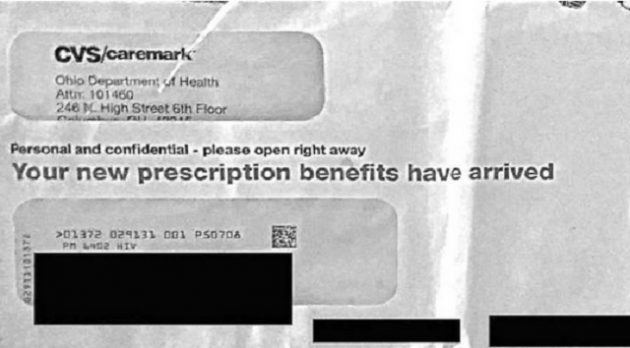
CVS Caremark mailer
Photo Source: KRSO

The mailing was not only negligent in its handling of protected health information but was seemingly profit-driven. At the time of the mailing, many of the recipients did not have an established relationship with CVS. The mailer was sent regardless of whether the recipients were active CVS pharmacy customers. It was a way to market the usage of not only CVS pharmacy benefit products but also its general health care delivery services.[5] In 2020, CVS agreed to settle the lawsuit for $4.35 million.[6]

CVS is not the only problematic player in the corporate healthcare arena. However, their actions and core paradigms are consistently antagonistic to the best interests of PLWHA and others utilizing specialty drugs. In a briefing presented to payors in 2021, CVS Caremark listed strategies it would employ to save money. Regarding activities in response to new drugs in the market, some of its planned actions included: initially blocking coverage of new drugs, reviewing for clinical appropriateness and cost-effectiveness prior to formulary decision, applying aggressive clinically appropriate utilization management criteria with rigorous approval requirements, strongly favoring generic use requiring objective evidence of need for newer agents, and selecting preferred agents generating lowest net cost option in each category.[7]

Jen Laws, CEO of Community Access National Network, summarily describes CVS, stating: “CVS engages in aggressive self-dealing practices and anti-competitive contract efforts to eliminate competition, drive patients to their own pharmacies (including by way of under reimbursement to independent, non-chain pharmacies and higher cost-sharing for patients utilizing their trusted pharmacies), and roundly limit access to care by weaponizing their PBM.” It seems that keeping a continued focus on CVS will be necessary to highlight and act against present and future practices that harm patients.

[1] Third Amended Class Action Complaint. (2023, October 24) ). Retrieved from https://consumerwatchdog.org/wp-content/uploads/2023/11/2023-10-24-241_Third-Amended-Complaint.pdf

[2] John Doe One et al. v. CVS Pharmacy Ruling. (2024, April 18). Retrieved from https://www.courthousenews.com/cvs-medication-program-discriminates-against-hiv-aids-patients-judge-says/john-doe-one-et-al-v-cvs-pharmacy-et-al-mtd-ruling/

[3] Doe One et al. v. CVS Health Corporation et al. (2018, March 21). Retrieved from https://dockets.justia.com/docket/ohio/ohsdce/2:2018cv00238/211764

[4] Faul, A. (2018, March 29). CVS Health unintentionally revealed HIV status of 6,000 customers: Lawsuit. Retrieved fromhttps://abcnews.go.com/Health/cvs-health-unintentionally-revealed-hiv-status-6000-customers/story?id=54095674

[5] Schladen, M. (2018, June 29). State, CVS sued over HIV mailing. Retrieved from https://www.dispatch.com/story/news/politics/elections/2018/06/29/state-cvs-sued-over-hiv/11624806007/

[6] AIMED Alliance. (2020, May 15). CVS Health to Settle Lawsuit for Revealing HIV Status of Over 4,500 Patients. Retrieved fromhttps://aimedalliance.org/cvs-health-to-settle-lawsuit-for-revealing-hiv-status-of-over-4500-patients/

[7] Accetta, L. (2021). Expanding therapies, indications and implications for payors: Pipeline trends that will drive change in 2022. Retrieved from https://business.caremark.com/insights/2021/expanding-therapies-indications-and-implications-payors.html   

Disclaimer: Guest blogs do not necessarily reflect the views of the ADAP Advocacy Association, but rather they provide a neutral platform whereby the author serves to promote open, honest discussion about public health-related issues and updates.  

Thursday, May 9, 2024

NASTAD Releases 2024 Monitoring Project Annual Report

By: Marcus J. Hopkins, Guest Contributor

The National Alliance of State and Territorial AIDS Directors (NASTAD) has released its 2024 National RWHAP Part B ADAP Monitoring Project Annual Report documenting key trends, challenges, and successes faced by state and territorial AIDS Drug Assistance Programs (ADAPs). This report is developed using information provided to NASTAD by state and territorial ADAPs through information requests, and the 2024 report includes information from 49 states, the District of Columbia, and Puerto Rico. No fiscal or programmatic data were provided by West Virginia, the U.S. Virgin Islands, or the Pacific Island Jurisdictions, including American Samoa, Guam, the Northern Mariana Islands, the Marshall Islands, Palau, and the Federated States of Micronesia.

Key finding from this year’s report include:

  • Ryan White Part B programs saw an increase of 1.6% in their Congressional appropriation from Fiscal Year (FY) 2021 to FY2022, from $1.27 billion to $1.29 billion, while ADAP-specific funding provided by the Health Resources Services Administration (HRSA) remained flat at $900m. As NASTAD notes, federal awards alone are not sufficient to meet the needs of Part B programs or their clients;
  • Pharmaceutical rebates constituted the largest proportion of the overall ADAP budget for FY2022 at 47%, compared to federal ADAP earmark funding at 34% (Figure 1);

Figure 1 - Total ADAP Budget, By Source, FY1996–FY2022

Photo Source: NASTAD

Note: Rebates are tracked separately from front-end discounts and account for both repayment to ADAP from a manufacturer for a drug expenditure and any additional savings generated. 

Retrieved from National Alliance of State and Territorial AIDS Directors, 2024.

  • Reporting ADAPs served a total of 235,615 clients in Calendar Year (CY) 2022, with California serving the most clients at 29,774;
  • The percentage of ADAP clients served by ADAP-funded insurance programs increased from 42% in CY2021 to 44% in CY2022, matching for the first time the percentage of ADAP clients served by full-pay medication programs (also 44% in CY2022);
  • The age demographics of clients served by ADAPs has shifted slightly as patients age, with clients aged 25-44 increasing from 39% to 40%, those aged 65+ increasing from 12% to 13% from CY2021 to CY2022. Adults aged 45-64 continue to represent the largest percentage of ADAP clients, at 44%, down from 46% in CY2021;
  • A majority of the 51 ADAPs that provided information (34, n=67%) have opted to eliminate the six-month recertification requirement. The programs that have left that in place include: Alaska, Indiana, Kansas, Kentucky, Maryland, Massachusetts, Nevada, New Hampshire, North Carolina, Ohio, Oklahoma, Rhode Island, Texas, and Wyoming (NASTAD, 2024);
  • 84% of clients served by the ADAPs achieved viral suppression of their HIV (i.e., they achieved viral loads of <200 replicating copies). Clients who received ADAP-funded insurance only or a combination of ADAP-funded insurance and full-pay medication program services were more likely to achieve viral suppression than those who received only full-pay medication program services (Figure 2).

Figure 2 - ADAP Clients Served by Program, by Viral Load, CY2022

Figure 2 - ADAP Clients Served by Program, by Viral Load, CY2022
Photo Source: NASTAD

Note: Retrieved from NASTAD, 2024.

  • 17 of the 51 responding ADAPs reported that less than 80% of their enrolled clients had achieved viral suppression—Alabama, Alaska, Arkansas, Colorado, Connecticut, the District of Columbia, Florida, Georgia, Kentucky, Minnesota, Mississippi, New Jersey, Palau, Pennsylvania, Texas, Vermont, and Wyoming (Figure 3).

Figure 3 - ADAP Viral load Suppression Rate, by Clients Served, CY2022

Figure 3 - ADAP Viral load Suppression Rate, by Clients Served, CY2022
Photo Source: NASTAD

Note: Retrieved from NASTAD, 2024.

Discussion

State and territorial ADAPs continue to serve as a vital component of HIV care and treatment in the United States, serving nearly a quarter-million Persons Living with HIV/AIDS (PLWHA). While the nation’s PLWHA population, as a whole, suffers from astonishingly low rates of HIV viral suppression, with just 57% of PLWHA achieving viral suppression—one of the lowest rates of viral suppression among comparable high-income countries (Figure 4).

Figure 4 - HIV Viral Suppression Rate in U.S. Lowest Among Comparable High-Income Countries, 2020 or Latest Year


Figure 3 - ADAP Viral load Suppression Rate, by Clients Served, CY2022
Photo Source: KFF

Note: Retrieved from KFF, 2022.

The consistent component of these comparable countries that PLWHA do not enjoy in the United States is that PLWHA enjoy Universal Healthcare coverage in each of them. The AIDS Drug Assistance Program is one of the few programs that provides relatively comprehensive medication coverage for PLWHA, and if the findings in the NASTAD annual report are any indication, the provision of those programmatic services is highly successful in helping patients achieve viral suppression compared to patients who are not beneficiaries of those services.

Each of these nations also provides significantly more permissive and generous social support systems that include relatively easily accessible housing, nutrition, and financial assistance programs, whereas PLWHA in the United States continue to face barriers to viral suppression.

Among adults who reported feeling that they did not receive enough HIV care, nearly all (95.6%) reported experiencing at least one barrier to accessing care and treatment, and nearly two-thirds (62.6%) reported more than one barrier (Dasgupta, Tie, Beer, Fagan, & Weiser, 2021). 50% of respondents in the Dasgupta study indicated having life circumstances that impeded their ability to access care, and 34.5% of those respondents indicated that they faced problems with money or insurance coverage.

It is further interesting that viral suppression rates amongst ADAP recipients in most of the Deep South fall below 80% of ADAP clients. There are several potential factors that may contribute to these lower levels of success among ADAPs, most of which have little to do with the programmatic services, themselves, including (but not limited to):

  • The accessibility of HIV care and treatment providers local to patients, including hours of operations, proximity to patients, and the quality of care patients receive;
  • A lack of reliable public or private transportation to and from appointments;
  • Geographic or weather barriers that may make treatment inaccessible during storm seasons;
  • Poverty-driven barriers, including unstable or unaffordable housing, the inability to afford food, or the inability to afford utilities that forces patients to choose between affording to live and affording medications.

Equally interesting are the low suppression rates of ADAP recipients in northeastern states, such as Connecticut, New Jersey, Pennsylvania, and Vermont, while every other surrounding state boasts suppression rates of 80% or higher, with Connecticut and Vermont surrounded by states boasting 90% suppression rates or higher.

It is possible that lower suppression rates in these states may be the result of transportation or accessibility issues, but patients in those states generally experience fewer physical and transportation barriers than those living in the Deep South, which tends to be more rural, have fewer and less accessible public transportation options, and higher patient-to-provider ratios compared to the northeast.

Finally, while it is normal for some jurisdictions to not respond to NASTAD’s annual survey requests, the Pacific Island Jurisdictions seem to almost never respond. An examination of NASTAD reports dating back to 2019 showed that Americans Samoa, the Federated States of Micronesia, Guam, Marshall Islands, Northern Mariana Islands, and the Republic of Palau have failed to respond to survey requests every year. While the footprint of ADAP in these territories is relatively small compared to the contiguous states and Puerto Rico, it is still vital that we be able to gain insight into the operations and efficacy of ADAP programs in those jurisdictions.

This issue is not unique to NASTAD. In attempting to gather timely data about programs in those territories, ADAP Advocacy has encountered similar challenges when attempting to access government websites, eligibility requirements, and contact information for the Pacific Island Jurisdictions.

ADAP Advocacy will continue to monitor state and territorial ADAP reports.

References:

Dasgupta, S., Tie, Y., Beer, L. Fagan, J., & Weiser, J. (2021, October). Barriers to HIV care by viral suppression status among US adults with HIV: Findings from the Centers for Disease Control and Prevention Medical monitoring project. Journal of the Association of Nurses in AIDS Care, 32(5): 561-568. https://doi.org/10.1097%2FJNC.0000000000000249

KFF. (2022, June 03). HIV viral suppression rate in U.S. lowest among comparable high-income countries, 2020 or latest year. San Francisco, CA: KFF: HIV/AIDS: Slide. https://www.kff.org/hivaids/slide/hiv-viral-suppression-rate-in-u-s-lowest-among-comparable-high-income-countries-2020-or-latest-year/

National Alliance of State and Territorial AIDS Directors. (2023). 2023 national RWHAP Part B ADAP monitoring project annual report: Section 3: Meeting the need: Ensuring access to essential medicines for People Living with HIV/AIDS. Washington, DC: National Alliance of State and Territorial AIDS Directors. https://nastad.org/2023-rwhap-part-b-adap-monitoring-report/section-3

National Alliance of State and Territorial AIDS Directors. (2024). 2024 national RWHAP Part B ADAP monitoring project annual report. Washington, DC: National Alliance of State and Territorial AIDS Directors. https://nastad.org/2024-rwhap-part-b-adap-monitoring-report

National Alliance of State and Territorial AIDS Directors. (2024). 2024 national RWHAP Part B ADAP monitoring project annual report: Section 1. Washington, DC: National Alliance of State and Territorial AIDS Directors. https://nastad.org/2024-rwhap-part-b-adap-monitoring-report/section1

National Alliance of State and Territorial AIDS Directors. (2024). 2024 national RWHAP Part B ADAP monitoring project annual report: Section 2: Meeting the need: Ensuring access to essential medicines for People Living with HIV/AIDS. Washington, DC: National Alliance of State and Territorial AIDS Directors. https://nastad.org/2024-rwhap-part-b-adap-monitoring-report/section2

Disclaimer: Guest blogs do not necessarily reflect the views of the ADAP Advocacy Association, but rather they provide a neutral platform whereby the author serves to promote open, honest discussion about public health-related issues and updates.

Thursday, May 2, 2024

Fireside Chat Retreat in Charleston, SC Tackles Pressing Public Health Issues

By: Brandon M. Macsata, CEO, ADAP Advocacy

ADAP Advocacy hosted its Health Fireside Chat retreat in Charleston, South Carolina among key stakeholder groups to discuss pertinent public health issues facing patients in the United States. The Health Fireside Chat convened Thursday, April 25th through Saturday, April 27th. An analysis of the collaborative relationships between patient advocacy organizations and drug manufacturers, patient perspectives about long-acting injectables for HIV treatment and prevention, and the dark side of state-sanctioned prescription drug affordability boards were evaluated and discussed by the 21 diverse stakeholders.

FDR Fireside Chat
Photo Source: Getty Images

The Health Fireside Chat included moderated white-board style discussion sessions on the following issues:

  • Patient Insights: How Patient-Industry Collaboration Can Elevate Healthcare Reform — moderated by Brandon M. Macsata, CEO, ADAP Advocacy
  • Patient Perspectives: How Long-Acting Injectables Can Improve Access to Care —moderated by Riley Johnson, Project Lead, Long-Acting Injectables Project, ADAP Advocacy
  • Patient Context: How Prescription Drug Affordability Boards Impact Access to Care — moderated by Jen Laws, President & CEO, Community Access National Network (CANN)

The discussion sessions were designed to capture key observations, suggestions, and thoughts about how best to address the challenges being discussed at the Health Fireside Chat. The following represents the attendees:

  • Maggie Blunk, Communications Manager, North Carolina AIDS Action Network
  • La’Donna Boyens, Patient Advocate
  • Erin Bradshaw, EVP for the Advancement of Patient Services and Navigation, Patient Advocate Foundation
  • Jeffrey S. Crowley, Distinguished Scholar & Program Director at the Infectious Disease Initiatives, O'Neill Institute for National and Global Health Law, Georgetown Law
  • Erin Darling, Associate Vice President and Counsel, Federal Policy, Merck
  • Hunter Fasanaro, Director of Strategic Partnerships & Healthcare Initiatives, Archo Advocacy
  • Hilary Hansen, Global Public Affairs Head, Oncology, Sanofi
  • Patrick Ingram, Community Outreach and Prevention Programs Supervisor, Hennepin County 
  • Lisa Johnson-Lett, Peer Support Specialist, AIDS Alabama
  • Riley Johnson, Founder, RAD Remedy
  • Jen Laws, President & CEO, Community Access National Network
  • Michael Luciano, Peer Treatment Educator, Palmetto Community Care
  • Brandon M. Macsata, CEO, ADAP Advocacy
  • Judith Montenegro, Program Director, Latino Commission on AIDS
  • Necaela Penn, Patient Advocate
  • Kalvin Pugh, Senior Advisor on Community Engagement, International Association of Providers of AIDS Care
  • Donna Sabatino, Director State Policy & Advocacy, The AIDS Institute
  • Larry Scott-Walker, Executive Director, THRIVE SS Inc
  • Dafina Ward, Executive Director, Southern AIDS Coalition
  • Katie Willingham, Blogger, The Well Project
  • Marcus Wilson, Senior Director, Community Engagement and Patient Advocacy, Gilead Sciences
Health Fireside Chat

ADAP Advocacy is pleased to share the following brief recap of the Health Fireside Chat.

Patient-Industry Collaboration:

The first policy session was Patient Insights: How Patient-Industry Collaboration Can Elevate Healthcare Reform, which was led by ADAP Advocacy's CEO, Brandon M. Macsata. With both patients, patient advocacy organizations, and industry partners all in the room, it represented an opportunity to discuss their collaboration. Macsata provided some background on why such collaborative relationships exist, as well as how they are perceived – including how some characterized the relationships through a negative lens. In general, and not speaking specifically to drug manufacturers money, Macsata noted several commonly accepted reasons why donors give money to organizations or causes. Donors are purpose-driven; donors trust your organization; donors understand their impact; donors have a personal connection to your purpose; donors want to be part of something meaningful; donors are engaged; and donors appreciate tax benefits.[1] He further noted industry partners providing memberships, sponsorships, or charitable grants to nonprofit patient advocacy organizations are no different.

Whereas the group agreed an fair examination of these relationships is a good thing, characterizing the support from industry partners as "dark money" or "tainted money" or "bribes" is disingenuous to the patient advocacy groups who receive it. The implied "quid pro quo" narrative is nothing more than "guilt by association" smear tactic that completely discounts the valuable work being done on public policy. The reality is often time the interests of the patient advocacy community and the interests of the drug manufacturers align, as has been the case numerous times over the years pushing back against attempts to weaken Medicare's six protected classes of drugs. 

Industry partners participating in the discussion shared their perspectives on the difference between transactional support and transformative support. The latter is designed to impact systems change, rooted in further empowering patients to end the HIV epidemic. Without industry partner support, it would be even more challenging – if not impossible – to advocate for greater access to HIV long-acting injectables, or repealing draconian HIV criminalization. All of the impudent exposes published by the likes of the KFF Health News or Axios failed to recognize that fact.

The group concluded with a lengthy assessment of the status of patient advocacy, which included calls for more transparency among these groups.

The following materials were shared with retreat attendees:

ADAP Advocacy would like to also call attention to how this very conversation is happening among academia, evidenced by the recent report featured in The Crimson: ‘Deal with the Devil’: Harvard Medical School Faculty Grapple with Increased Industry Research Funding.

Long-Acting Injectables:

Riley Johnson, who serves as ADAP Advocacy's Long-Acting Injectables (LAIs) Project, presented initial themes and findings from the project's research methods – including a quantitative survey, a qualitative focus group, and an examination of data – across two populations – those who are HIV-positive (the use of LAIs for treatment) and those who are HIV-negative (the use of LAIs for prevention). This project was made possible by support from Gilead Sciences, Merck, and ViiV Healthcare. A final report will be issued in May 2024.

ADAP Advocacy’s LAIs Treatment Survey had 262 respondents and the focus group had 8 participants, whereas the Prevention Survey had 184 respondents and the focus group had 8 participants. Key themes in the focus groups included provider barriers, supply chain issues, medical mistrust (both historical accounts/community trauma as well as current individual feelings), and insurance coverage barriers.

Discussion at the Fireside Chat focused on patients’ ability to navigate health environments and insurance processes as well as Fireside Chat participants sharing best practices for wraparound services that help patients address some of the more tangible issues they face when pursuing LAIs (e.g. providing documentation to assist with Family and Medical Leave Act (FMLA) requests, transportation assistance, etc.)  The final report of this iteration of the Long-Acting Injectables Project is slated for release later this month.

The following materials were shared with retreat attendees:

ADAP Advocacy would like to publicly acknowledge and thank Riley for facilitating this important discussion.

PDABs:

The Community Access National Network (CANN) action center on Prescription Drug Affordability Boards (PDABs) served as a focal point for this discussion, which was led by CANN's President & CEO, Jen Laws. While there are ten states with established boards, each operates slightly differently, with some of those including power to establish an "upper payment limit" (reimbursement ceiling) for selected medications. Because of a variety of public health funding mechanisms, specifically rebates utilized to fund Medicaid programming, federally qualified health centers and other 340B grantee entities, and State AIDS Drug Assistance Programs, these reimbursement caps are a threat to the sustainability of certain programming and efforts supporting health equity and tackling health disparities. The value of these rebates are found in the "spread" between the reduced acquisition cost and the reimbursement rate — meaning the lower the reimbursement rate the lower the value of the rebate and the fewer dollars 340B grantee entities have to reinvest in programs and services. Further, federal matching dollars for the Medicaid program are based upon reimbursement rates. Reduce the reimbursement rate and the federal matching dollars are therefore reduced.

Additional conversation centered on what medications were being reviewed for selection by PDABs, and who the target beneficiaries of any action should be (patients vs. systems). Laws pointed out that while the political marketing behind PDABs focuses language on patients and "commonly used" medications, those medications being selected are those treating rare and chronic conditions, some of which have no alternative or for which there is a contraindication for any alternatives (ie. genotype specific ARVs), and discussion is increasingly focused on so-called "savings" for the systems, rather than patients. The bait and switch on actions from the "sales point" raises serious alarms.

Further still, other layers of complication include the regular and routine concerns voiced by non-chain, independent pharmacies already facing under-reimbursement threatening their ability to serve their communities and the fact that wholesalers and distributors are often located outside of a particular state, meaning the acquisition is very likely to remain the same, regardless of reimbursement rate, threatening access to care for patients in multiple ways.

These varied concerns are ultimately why several states ended up not taking on PDAB legislation this year. Effective advocacy both pre- and post-legislation is necessary to inform these boards and ensure patients guide in a process that's supposed to be about patients. One last tidbit: all board establishing legislation contain conflict of interest provisions which otherwise prevent patient representation on these boards. In HIV, there is a commonly-accepted theme, "nothing about us without us", and yet, that's exactly what these boards are premised on doing.

The following materials were shared with retreat attendees: 

ADAP Advocacy would like to publicly acknowledge and thank Jen for facilitating this important discussion.

Additional Fireside Chats are planned for 2024 in Houston, New Haven, and New York City.

[1] Bonterra (2022, February 20). 7 reasons why donors give + how to appeal to their motives. Retrieved online from https://www.bonterratech.com/blog/7-reasons-why-donors-give

Disclaimer: Guest blogs do not necessarily reflect the views of the ADAP Advocacy Association, but rather they provide a neutral platform whereby the author serves to promote open, honest discussion about public health-related issues and updates.

Thursday, April 25, 2024

Fraudsters Target Medicine being Reimbursed at a Loss for Counterfeit Crime

By: Ranier Simons, ADAP Blog Guest Contributor

Pharmacy Benefit Managers (PBMs) don’t make medicine or dispense medicine, but their business decisions determine what medicines you have access to. Some of those decisions are now creating openings for drug counterfeiters to enter the legitimate supply chain, according to a report by the Partnership for Safe Medicines (PSM) and subsequent analysis by the Community Access National Network (CANN). This is a pressing matter because counterfeit drugs can result in adverse side effects, treatment failure, resistance, toxicity, and death.[1]

Fake pill
Photo Source: Center for Medical Economics & Innovation

The U.S. market value for PBMs in 2023 was $523.9 billion.[2] PBMs have always been marketed to reduce drug expenditures for payers and lower drug costs for patients, but historically, that has not happened. The $523 billion results from questionable practices that bring in sizable profits for PBMs while shortchanging insurance payers with opaque contracts and to the detriment of patients.  Some patient advocacy groups have argued PBMs are harmful to patients’ health. One common PBM practice, below-cost pharmacy reimbursement, creates supply chain contamination opportunities.

Insurance companies reimburse pharmacies for the medications they dispense to patients. A pharmacy purchases medication from a wholesaler and then submits a claim to a patient’s insurance to be paid for the medication. PBMs handle the payments to the pharmacies on behalf of insurance companies. In 2023, 332 million people in the U.S. had health insurance, and 275 million of them were served by Pharmacy Benefit Managers (PBMs) via commercial insurance, Medicare Part D, Managed Medicaid, and Medicaid Fee-For-Service.[3] Thus, pharmacies are forced to deal with PBMs. In order to dispense medications to patients with insurance, pharmacies must sign contracts with PBMs that are agreements to accept whatever price the PBM dictates for reimbursement. Currently, three PBMs control 75% of the health insurance market; thus, there is no competition.[4] 

The predicament is that PBMs are reimbursing pharmacies below cost. This means that PBMs are paying pharmacies less money than the pharmacies spent to acquire the drugs. Effectively, pharmacies are dispensing drugs at a loss to serve patients. A real-world example of one of the big three PBMs' contracts with a pharmacy for brand-name drugs listed reimbursement of the average wholesale price (AWP) minus 25.5% + $0.00. The same contract listed AWP minus 57% + $0.00 for generics. 

The following examples are actual claims submitted by pharmacies and their resulting losses based on the PBM contracts. For Biktarvy, a pharmacy acquired a 30-day wholesale supply of the drug for $3700.36, but the PBM only reimbursed $3661.75, resulting in a loss of $38.61. For Genvoya, a pharmacy paid $3,534.78 and was only reimbursed $2,852.92, resulting in a loss of $681.86. A pharmacy in Florida purchased a 30-day supply of roflumilast for $43.86 and was reimbursed by a PBM for $11.22, resulting in a $32.64 loss. PSM has many other examples of losses on other various pharmaceuticals here. 

How to Spot Fake HIV Medicines
Photo Source: Partnership for Safe Medicines

The situation is dire, as indicated by a statement given by a pharmacist from an independent pharmacy in Weatherford, Texas: 

“I spent hours on the phone with my wholesaler and even the drug manufacturer trying to explain that we simply cannot sustain such drastic underpayment on this critical medication and every time my concerns fell on deaf ears. After years of trying to affect some kind of change on either the cost or the reimbursement, we simply could not take losses of any kind on a drug that has a price tag of $3000.00. Our losses ranged from $17.46 to $572.30, and we were expected to accept this arrangement from day one. We were a safe haven and trusted health partner for these patients; however, we were forced to notify our patients that we would no longer be able to provide this life-saving medication.”

This pharmacist decided to stop providing the referenced medication. However, all pharmacists do not make that decision, which creates opportunities for criminal exploitation. 

Pharmacists want to do what they can to provide the medicines people need. When they cannot source medications through their prime wholesalers, they turn to the secondary wholesaler market. Secondary wholesalers are also licensed by the state, and many are secure and reputable channels, but this is also where criminals operate. Criminal counterfeiters take advantage of the situation and set up marketplaces for popular, expensive drugs, using black-market diverted or counterfeit products at prices lower than traditional wholesale sources.

Pharmacies do not haphazardly search for and purchase lower-cost medications. They do their due diligence to make sure they are sourcing proper supplies. However, counterfeit criminals have sophisticated and elaborate systems to perpetrate fraud. They sell through companies with legitimate state-issued wholesale licenses and use forged Drug Supply Chain Security Act (DSCSA) transaction tracing histories. A deep dive into the paperwork can reveal the forgery. However, it takes significant resources of time and effort to dig into that kind of tracing. Resources that pharmacies do not have. Thus, when things have the appearance of propriety, pharmacists get duped by criminals, and patients get sold fraudulent medication. 

A loss of $142 on life-saving HIV medicine The pharmacist paid $6,088.72 for a 90-count bottle of Descovy pills and was reimbursed $5,946.21, costing the pharmacy $142.51.
Photo Source: Partnership for Safe Medicines

In 2022, the U.S. District Court unsealed documents of a civil case in which Gilead Sciences sued a group of criminals. The criminal enterprise distributed over $230 million of counterfeit drugs, some of which were HIV antiretroviral medications.[5] Some of the drugs were diverted, meaning they were purchased from people who had obtained them legitimately and resold on the black market. Some of the drugs were bottles containing medication that did not match what was on the label. Diverted medication indicates that patients were not adhering to their treatment regimens since they were selling their medications. The mislabeled medication bottles meant patients could have been ingesting medications not meant for them, in improper dosages, and possibly contaminated. Situations such as PBM below-cost reimbursement contribute to creating a demand for cheaper medications in an artificially created predatory pricing-induced supply scarcity.

Low PBM reimbursement not only endangers the drug supply chain but also puts independent pharmacies out of business. Pharmacies cannot operate under fiscal loss. In addition to low reimbursement rates, PBMs give pharmacies very low or often zero dispensing fees, which pharmacies need for operating costs. Moreover, PBMs saddle pharmacies with many other opaque fees, audits, and clawbacks, adding to their financial burden. When pharmacies go out of business, patients lose access. This is especially true in areas with very few pharmacies for a large geographical region. If a pharmacy closes, entire communities lose familiar and convenient continuity of care.

A group named Pharmacists United for Truth and Transparency wrote a letter to one of the big three PBMs. A quote from this letter explains what needs to be done: “Reimburse independent pharmacies the full drug acquisition cost and eliminate the practice of reimbursing above some and below other drug costs. Make a fair and universal reimbursement policy the unbreakable operating principle of the PBM-independent pharmacy partnership.” PBM reform is not just fiscally sound; for patients, it indeed could mean the difference between life and death.

[1] Williams, L., McKnight, E. (2014, June 19). The real impact of counterfeit medications. Retrieved from https://www.uspharmacist.com/article/counterfeit-meds#:~:text=The%20use%20of%20substandard%20drugs,enforced%20to%20prevent%20this%20crime

[2] Fortune Business Insights. (2024, April 19). Pharmacy benefit management market. Retrieved from https://www.fortunebusinessinsights.com/pharmacy-benefit-management-pbm-market-103496

[3] Mikulic, M. (2023, May 22). Number of Americans served by PBMs by insurance type 2023. Retrieved from https://www.statista.com/statistics/1172652/pbms-number-of-served-us-persons/

[4] The Partnership for Safe Medicines. (2023) Are below cost reimbursement practices by Pharmacy Benefit Managers creating opportunity for criminals to enter the legitimate supply chain?. Retrieved from https://www.safemedicines.org/2024/02/pbmblackmarket.html

[5] Gilead Sciences, Inc. et al v. Safe Chain Solutions, LLC et al. Retrieved from https://fingfx.thomsonreuters.com/gfx/legaldocs/dwpkrodwdvm/gileand-amended-2022-09-28.pdf?utm_source=Sailthru&utm_medium=newsletter&utm_campaign=daily-docket&utm_term=DailyDocket-MailingList%20v2

Disclaimer: Guest blogs do not necessarily reflect the views of the ADAP Advocacy Association, but rather they provide a neutral platform whereby the author serves to promote open, honest discussion about public health-related issues and updates.  

Thursday, April 18, 2024

Congress is Knocking on 340B's Door, Saying "Show Me the Money"

By: Ranier Simons, ADAP Blog Guest Contributor

Many members of society are adversely affected by inequalities stemming from diverse circumstances and socio-economic realities. Disparities in public health result from those inequalities. Policy is one avenue for improving the health of those in need. One policy response by Congress was the creation of the 340B Drug Pricing Program as part of the bipartisan Veterans Healthcare Act of 1992.[1] The 340B program allows qualifying safety-net providers and qualifying hospitals, otherwise known as covered entities, to purchase prescription drugs at significantly discounted prices from manufacturers and re-invest those dollars in expanding access to care and treatment. A growing chorus is concerned that the legislative intent of the program is being obfuscated by large hospital systems and mega service providers. 

Healthcare Greed
Photo Source: USA Today

These covered entities serve low-income and vulnerable populations who are uninsured, on Medicaid or Medicare. The savings generated from the program are used to offer patients free or discounted drugs and provide many other services that meet the healthcare needs of the communities these entities serve.[1] Other services include prevention-focused primary care, mental healthcare, and substance abuse treatment. What started out as a good idea has evolved into a system where inefficiencies and abuses have corrupted 340B’s intent and harmed some patients. As a result, on a federal and state level, numerous pieces of 340B reform legislation have been introduced to stop abuses, protect patients, and overall ensure the program operates as intended.

One issue is the sheer number of covered entities taking advantage of the 340B discount pricing.[2] At the program's advent, safety-net hospitals, outpatient clinics, and community health centers were the first entities allowed to participate. Later, Congress expanded eligibility to add children’s hospitals, outpatient cancer center hospitals, rural referral centers, sole community hospitals, and critical access hospitals. Covered entities are supposed to serve large numbers of vulnerable community members by providing charity care and passing on savings. However, the lack of robust oversight and ambiguity in the 340B legislative language has allowed some entities to take advantage of the program. Some entities abuse the program by using the savings for profit instead of passing them on directly to patients or using them for services to serve them. Some entities participate in the program when they should not be qualified. Some larger hospitals do this by manipulating their business structures by acquiring smaller entities that qualify in the true spirit of the program.

Another significant issue is bad faith actions from some covered entities who are using 340B rebates to fund exuberant executive compensation, which is entirely made more egregious by the hospital systems simultaneously cutting their charity care for indigent patients.[3]

A notable piece of legislation recently introduced in Congress to affect 340B reform is a discussion draft bill entitled the ‘SUSTAIN 340B Act’ - which stands for ‘Supporting Underserved and Strengthening Transparency, Accountability, and Integrity Now’.[4] It was introduced by U.S. Senators John Thune (R-S.D.), Debbie Stabenow (D-Mich.), Shelley Moore Capito (R-W.Va.), Tammy Baldwin (D-Wis.), Jerry Moran (R-Kan.), and Ben Cardin (D-Md.), all members of the Senate 340B bipartisan working group. This bill is a comprehensive attempt at reform targeting many of the current weaknesses of the 340B program. It addresses multiple areas, such as transparency, contract pharmacy operations, program integrity, and accountability. 

Sen. John Thune | Photo Source: TIME

In one vein of accountability, this bill amends the current 340B legislation by defining parameters for what can be considered ‘child sites’.[4] Many covered entities operate more than one physical location. An example is a non-profit hospital that may have multiple clinics or service centers outside the main hospital where all entities are partaking of the 340B discount. This bill explicitly defines the operating relationships required to be considered a qualifying child site. This is necessary because many entities are improperly spreading their 340B privilege across outlets under their umbrella. 

Another accountability measure defined by the SUSTAIN 340B Act relates to reporting. Concerning patient and community benefits, the bill requires covered entities to show their proverbial ‘receipts’ and thus bringing some much-needed transparency to the program. The legislative verbiage mandates the reporting include data such as the financial demographics of covered entities served populations, specifics on how the 340B prescriptions utilized by patients improved their health, explanations of policies covered entities use to promote access and adherence to prescribed medication, and even detailed reporting of how the discounts received from the program are used.[4]

The legislation, in part, reads: “We believe that requiring covered entities to report detailed information regarding their program savings, policies, patient and prescription information, and then enabling that information to be publicly available by the Secretary will help ensure all stakeholders have trust and confidence that the program is being used as intended.”[4]

A more contentious part of the bill targets drug manufacturers. The bill specifically defines things that drug manufacturers cannot do. An example is where it explicitly states a drug manufacturer cannot impose a restriction on a covered entity as a condition to receive a discount, such as “…requiring the submission of claims data directly to the manufacturer out of submissions to the entity receiving the contract to maintain the clearinghouse under section 1150D of the Social Security Act.”[4] Most importantly, the bill defines prohibited activity, legal remedies, and monetary penalties that can be assessed if drug manufacturers break the rules.

The SUSTAIN Act also aims to enhance program integrity by implementing stronger guidelines for government audits of covered entities, preventing duplicate discounts by bad actors gaming the system between the 340B program and Medicaid, and reigning in health plans and pharmacy benefit managers attempts to restrict access to drugs in the 340B program.[4]

Dusty Garner, a long-time survivor of HIV and member of the ADAP Advocacy 340B Patient Advisory Group, passionately summarized: "Listen, it is about damn time Congress opened the books on this $54 Billion program and asked the corporate healthcare providers who are benefiting the most from it to do the same with their ledgers. Too many patients are drowning in medical debt, yet they're residing in areas with so-called nonprofit hospitals supposedly best suited for expanded access under the 340B Program. Where is all of this money going, cause we know too much of these 340B rebates aren't helping the patients who most need it."

Who Cares About Charity Care? Patients Do!
Photo Source: CANN

Another less notable piece of legislation introduced was the ‘340B Pharmaceutical Access To Invest in Essential, Needed Treatments & Support Act of 2024’, known as the 340B PATIENTS Act.[5] It was introduced by Rep. Doris Matsui (D-Calif.), a known drug industry antagonist and a favorite of the American Hospital Association. Despite the legislation's short title, it appears to be more concerned with providers than patients. The 340B PATIENTS Act is not as comprehensive as the SUSTAIN Act. Its specific focus is to make amendments concerning contract pharmacy dealings and drug manufacturer enhanced reporting requirements. One section of the bill adds amended language to clarify that drug manufacturers are required to “offer 340B pricing for drugs purchased by a covered entity regardless of the manner or location in which the drug is dispensed, and section 340B prohibits drug manufacturers from placing conditions on the ability of covered entities to purchase and use 340B drugs, regardless of the manner or location in which they are dispensed.”[5]

Thomas Johnson, Executive Director of ASAP 340B, expressed sentiments concerning the 340B PATIENTS Act. He states, "While we welcome efforts to address 340B contract pharmacy arrangements, the 340B program needs comprehensive reforms that will restore its integrity and accountability and, most importantly, ensure underserved communities are benefiting. ASAP 340B was formed because nearly all stakeholders involved in the 340B program have grave concerns about its ability to serve the nation's safety net as was originally intended 30 years ago. Community Health Centers, patient, provider and consumer advocates, and leaders from the biopharmaceutical industry are at the table together, working with Congress on solutions that will go further to address the flaws in the 340B program currently putting America's safety net at risk."

Congress: 340B needs real reform
Photo Source: ASAP 340B

The 340B program is a lifeline for covered entities and the communities they serve. Fighting to legislate its survival is imperative to improve the health and lives of those truly in need of its benefits. In a joint statement to the U.S. Senate Bipartisan 340B Working Group in response to a Request for Information, ADAP Advocacy and Community Access National Network perfectly described the dire need for reform. They explain: “When originally drafted, Congress did not include extensive parameters to govern the entities. This means that the statute is silent on many critical program requirements that are necessary for it to function correctly today, ensuring that patients, and not hospital networks, are seeing the benefit of discounted medicines. But it is now more than 20+ years later, and difficult to argue about what occurred then as compared to now. The challenge and the opportunity are to focus on what Congress wants the program to be today, who it should serve, what healthcare providers should be qualified as “covered entities,” etc.[6]

The current toxic political environment on Capitol Hill, which is exacerbated by the continued dysfunction in the House of Representatives, makes it highly unlikely anything gets done in Congress other than funding the government. But the introduction of 340B-specific legislation does demonstrate that the growing calls for reform of the 340B Program are finally being heard. The simple truth of the matter is the more patients learn about how the 340B Program could be better serving them rather than lining the pockets of corporate healthcare providers, they’re left asking: “340B: What about me?” Congress appears to be listening.

[1] HRSA. Sec. 340B Public Health Service Act. Retrieved from https://www.hrsa.gov/sites/default/files/hrsa/rural-health/phs-act-section-340b.pdf

[2] The Commonwealth Fund. (2022, September 8). The Federal 340B Drug Pricing Program: What It is, and why it’s facing legal challenges. Retrieved from https://www.commonwealthfund.org/publications/explainer/2022/sep/federal-340b-drug-pricing-program-what-it-is-why-its-facing-legal-challenges#:~:text=In%202015%2C%20the%20U.S.%20Government,left%20largely%20to%20police%20themselves.

[3] Hopkins, Marcus J.. (2023, November 2). 340B Covered Entities’ Revenue Witnessed Huge Executive Compensation Increases, Alarming Charity Care Decreases. The ADAP Blog Retrieved from https://adapadvocacyassociation.blogspot.com/2023/11/340b-covered-entities-revenue-witnessed.html 

[4].Thune, J., Stabenow, D., Moore, S., Baldwin, T., Moran, J., Cardin, B. (2024). SUSTAIN Act. Retrieved from https://www.thune.senate.gov/public/_cache/files/c3a678e3-12a5-4175-8a80-9246b76576ec/75E01A8968B679E3525395E2BB0CE7DB.ss340b-act-discussion-draft-.pdf

[5] Matsui, D. (2024, March 12). 340B PATIENTS Act. Retrieved from https://matsui.house.gov/sites/evo-subsites/matsui.house.gov/files/evo-media-document/MATSUI_022_xml_final.pdf

[6] ADAP Advocacy, Community Access National Network. (2023, July 23). Joint Statement. Retrieved from https://www.adapadvocacy.org/pdf-docs/2023_ADAP_CANN_Public_Comment_Senate_RFI_340B_07-24-23.pdf

Disclaimer: Guest blogs do not necessarily reflect the views of the ADAP Advocacy Association, but rather they provide a neutral platform whereby the author serves to promote open, honest discussion about public health-related issues and updates. 

Thursday, April 11, 2024

Understanding Atlanta’s Persistently High Rate of HIV

By: Ranier Simons, ADAP Blog Guest Contributor

Since the 1950s, Atlanta is commonly known as “Hot Lanta” popularized by the Allman Brothers Band’s song because of its hot and humid climate.[1] But the weather isn't the only thing "hot" in Atlanta as the metro area surrounding the city has become a burning epicenter of new diagnosis for HIV.

"ATL" with AIDS Red Ribbon as the "A"
Photo Source: ANIZ

Proper data collection and analysis take time. This is especially true regarding public health surveillance and research. It is better to have robust sourcing of quality data collection than analysis of rushed volumes of collected data.[2] The Centers for Disease Control & Prevention (CDC) recently released a national HIV data analysis of infection rates from 2021. Overall, the national rate of new HIV infections has been decreasing over the past few years. However, this is not entirely true for the South.[3] Reporting indicates problematic infection trends in several southern metropolitan areas, one such area being metro Atlanta. 

Data shows that in 2021, metro Atlanta had the third highest new HIV infection diagnosis rate of metropolitan areas, only bested by Miami, Florida, and Memphis, Tennessee.[3] This data gives added context to preliminary data observed presently in 2024. According to Dwayne Ford, director of HIV prevention services with AIDS Atlanta, there are more reported positive individuals living with HIV in the first quarter of 2024 than in the first quarter of 2023.[4]

Various treatment and prevention tools exist, so healthcare professionals and community groups are trying to identify where more work needs to be done to reverse Atlanta and Georgia’s new infection rates. While metro Atlanta is the third highest ranking in new infections for metropolitan areas, Georgia is fourth overall as a state. One challenging area of concern is funding. Georgia is one of the few states that have not expanded Medicaid. If Georgia fully expanded Medicaid as allowed under the Affordable Care Act, over half a million Georgia residents would become eligible for health insurance.[5] 

Free HIV testing
Photo Source: Atlanta Journal Constitution

This would enable over half of the Georgian residents who are uninsured and enrolled in the Ryan White program to be moved to Medicaid. They would still be able to get all the care they received under Ryan White in addition to other services not available through Ryan White. That, in turn, would free up approximately $53.7 million of Ryan White funding to help non-Medicaid eligible people living with HIV not presently accessing services.[4] Treatment is prevention since increasing the number of people on ART means increasing viral suppression, lowering the number of those able to transmit HIV. Moreover, expanding Medicaid would mean increasing access to PrEP since Ryan White Funding cannot be used for PrEP medications nor its associated medical visits and laboratory testing.[6] African American and Hispanic males comprised the majority of reported new HIV infections yet have much lower utilization of PrEP in comparison to white residents.[3]

Access is a significant issue for low-income residents and the African American and Hispanic populations, which are disproportionately represented in new infection numbers. However, stigma is also still an issue.[3] In African American and Hispanic communities, HIV stigma remains a barrier to care, testing, and support. Efforts to encourage and expand testing lose impact when those who discover their positive status do not seek treatment. It is vital to bolster efforts to get newly diagnosed individuals into treatment as soon as possible and to help them remain in treatment. Support is needed since fear and privacy concerns hinder vulnerable populations from wanting their medications discovered by friends and family. Additionally, fear of the stigma of being seen at public clinics or other healthcare facilities hinders proper follow-up care and testing.

Support and prevention are the two areas many concerned parties are focusing on. Expanding prevention efforts such as PrEP access, education, and culturally competent messaging are imperative. Improving upon existing measures to help those negatively affected by social determinants of health, such as lack of transportation and insurance, is also necessary. 

Department for HIV Elimination
Photo Source: endhivatl.org

The Fulton County Department for HIV Elimination recently launched a new website, ENDHIVATL.ORG,  in response to the metropolitan Atlanta area epidemic. Citizens can use the site to find service providers based on the services they provide and their proximity to where they live. The site also provides up-to-date information concerning how and where to access PrEP and other medical and non-medical services. To help address stigma, the site has a prominently displayed section entitled ‘Positive & Proud.’ It contains personal stories of local community members living with HIV regarding their lives in general and their experiences with utilizing the Department for HIV Elimination services. There is even a section of the site dedicated to assisting healthcare providers.

Atlanta’s high rate of HIV infection has persisted for years. While rates have declined slightly, they are still disproportionately higher than the rest of the country. Hopefully, continued efforts to highlight the status quo, maintain awareness, and provide further support and prevention will soon result in improved lives and outcomes.

[1] Kane, Deborah (2024, April 10). What is the nickname of Atlanta Georgia? NCESC. Retrieved from https://www.ncesc.com/geographic-faq/what-is-the-nickname-of-atlanta-georgia/

[2] Chiolero, A., Tancredi, S., & Ioannidis, J. P. A. (2023). Slow data public health. European journal of epidemiology, 38(12), 1219–1225. https://doi.org/10.1007/s10654-023-01049-6

[3] Gaines, J. (2024, April 1). New HIV case rate in metro Atlanta third highest in nation. Retrieved from https://www.ajc.com/news/atlanta-news/new-hiv-case-rate-in-metro-atlanta-third-highest-in-nation/6TDMS6CUTZG7RPVPRLE6O3JZCY/

[4] 11Alive. (2024, April 4).HIV cases on the rise in metro Atlanta - What local clinic says about it. [Video]. YouTube. https://www.youtube.com/watch?v=h2jh2TgxfcQ&list=WL&index=1

[5] Equality Foundation of Georgia. (2022). Implications of Medicaid expansion on Georgia's HIV Budget. Retrieved from https://georgiaequality.org/wp-content/uploads/2022/01/REPORT-Medicaid-Expansion-and-Ryan-White.pdf?emci=61ee3ed9-f179-ec11-94f6-c896650d4442&emdi=ea000000-0000-0000-0000-000000000001&ceid=

[6] Department of Health and Human Services. (2021, November 16). HRSA Letter to Ryan White Program Colleagues. Retrieved from https://ryanwhite.hrsa.gov/sites/default/files/ryanwhite/hiv-care/prep-dcl-november-2021-508.pdf

Disclaimer: Guest blogs do not necessarily reflect the views of the ADAP Advocacy Association, but rather they provide a neutral platform whereby the author serves to promote open, honest discussion about public health-related issues and updates. 

Thursday, April 4, 2024

What's up with CRISPR Therapy's Impact on HIV Replication and the Potential for a Cure?

By: Ranier Simons, ADAP Blog Guest Contributor

Scientific innovation in the fight against HIV created the current landscape of antiviral treatment, which allows people living with HIV (PLWH) to manage chronic viral infection and lead long, healthy lives. Recent medical advancements give a glimmer of hope for advanced viral suppression and the potential for a future cure. A recent University of Amsterdam laboratory study using CRISPR-Cas9 gene editing technology was able to eliminate HIV from infected cells in a controlled environment outside of the body.[1,2] This development is proof of concept, which could mean eradicating HIV from the bodies of PLWH will be achievable one day.

CRISPR targeting HIV
Photo Source: YouTube | SciTech Alerts

CRISPR stands for ‘clustered regularly interspaced short palindromic repeats.’[3] It is technology based on how bacteria naturally use gene editing systems to protect themselves from viral infection. CRISPR-Cas is a system. Cas is an enzyme, and Cas9 is an enzyme that specifically can cleave DNA. CRISPR is a sequence of RNA. In simple terms, the CRISPR-Cas9 complex is effectively a ‘seek and destroy’ pair of molecular scissors that can search for and cut out undesirable genetic material.[4]

When the HIV invades the body and infects cells, it integrates its genetic material into the host cell’s genome. Current antiviral medications help to prevent the virus from replicating in the body. However, ART does not attack the dormant virus that lies in wait in viral reservoirs. This is why lifelong ART is necessary since HIV infection can rebound from these reservoirs if medication is discontinued. Dr. Elena Herrera-Carrillo and her team at the University of Amsterdam recently used CRISPR-Cas9 technology to completely eliminate the HIV virus from cell cultures.[5]

The team focused on a specific part of the HIV viral genome that seems to be present in all known HIV strains. Testing with infected CD4+ T-cells, the team modified their CRISPR-Cas9 complex to inactivate and excise the targeted HIV viral DNA. Thus, HIV was eliminated entirely from the cells since the genetic code necessary to form it was removed, effectively destroying HIV’s building blueprint. Additionally, they were able to target what they described as hidden reservoir cells by identifying specific proteins present on their cell surfaces.[5]

RNA being cut by scissors
Photo Source: Newsmax

This study is promising, but by no means is an immediate cure for HIV. The experiment was a very specified cell culture exercise outside of the body. HIV can infect many kinds of cells and tissues of the body with varying characteristics and environments. Future research needs to investigate how to target HIV in all those circumstances and conditions.[5] Also, HIV reservoirs have long half-lives and can be found in many different cells and tissues, such as the central nervous system and the male urogenital tract.[6] To effectively eradicate HIV from the body would require eliminating HIV from every infected cell and every latent reservoir. No proverbial stone could be left unturned since even the smallest one percent of a reservoir could potentially reactivate and spawn HIV replication.

Gene editing can also have unintended consequences.[7] When genes are cut with CRISPR technology, the process by which cells heal the excisions and reform introduces errors into the genome. Without precise targeted CRISPR techniques, gene sequences can be edited and rewritten in ways that cause mutations, resulting in cancer promotion or other unwanted biological process alterations. The human body is a very complex system of systems. Developing a CRISPR cure for HIV would require foolproof ways to enter appropriate cells while avoiding others, in addition to ways to mitigate dangerous side effects.

While a CRISPR cure for HIV is nowhere near to becoming a reality, the Amsterdam study is a source of hope and a guide for the future. Innovation is incremental. This study will be a steppingstone and guidepost for other scientists to build upon and spawn future breakthroughs. Dr Carrillo states, “We hope to achieve the right balance between efficacy and safety of this CURE strategy…Our aim is to develop a robust and safe combinatorial CRISPR-Cas regimen, striving for an inclusive ‘HIV cure for all’ that can inactivate diverse HIV strains across various cellular contexts.”[1] While we will not see human clinical trials until the science reaches this point, at least we have a newly developing tool to add to the HIV antiretroviral arsenal.

[1] Good News Network. (2024, March 23). Scientists discover potential HIV cure that eliminates disease from cells using CRISPR-Cas gene editing. Retrieved from https://www.goodnewsnetwork.org/scientists-discover-potential-hiv-cure-that-eliminates-disease-from-cells-using-crispr-cas-gene-editing/

[2] Wilson, C. (2024, March 19). CRISPR could disable and cure HIV, suggests promising lab experiment. Retrieved from https://www.msn.com/en-us/health/other/crispr-could-disable-and-cure-hiv-suggests-promising-lab-experiment/ar-BB1kbDkU

[3] National Institutes of Health. (2024, March 27). CRISPR. Retrieved from https://www.genome.gov/genetics-glossary/CRISPR#:~:text=CRISPR%20(short%20for%20%E2%80%9Cclustered%20regularly,editing%20systems%20found%20in%20bacteria.

[4] Hussein, M., Molina, M. A., Berkhout, B., & Herrera-Carrillo, E. (2023). A CRISPR-Cas Cure for HIV/AIDS. International journal of molecular sciences, 24(2), 1563. https://doi.org/10.3390/ijms24021563

[5] American Association for the Advancement of Science. (2024, March 19). HIV in cell culture can be completely eliminated using CRISPR-Cas gene editing technology, increasing hopes of cure. Retrieved from https://www.eurekalert.org/news-releases/1038161

[6] Pierson, T., McArthur, J., & Siliciano, R. F. (2000). Reservoirs for HIV-1: mechanisms for viral persistence in the presence of antiviral immune responses and antiretroviral therapy. Annual review of immunology, 18, 665–708. https://doi.org/10.1146/annurev.immunol.18.1.665

[7] Hunt, J. M. T., Samson, C. A., Rand, A. D., & Sheppard, H. M. (2023). Unintended CRISPR-Cas9 editing outcomes: a review of the detection and prevalence of structural variants generated by gene-editing in human cells. Human genetics, 142(6), 705–720. https://doi.org/10.1007/s00439-023-02561-1

Disclaimer: Guest blogs do not necessarily reflect the views of the ADAP Advocacy Association, but rather they provide a neutral platform whereby the author serves to promote open, honest discussion about public health-related issues and updates.