Showing posts with label drug importation. Show all posts

Thursday, May 1, 2025

Trump's Executive Order on Drug Prices Includes Both Good and Bad Ideas

By: Ranier Simons, ADAP Blog Guest Contributor

On April 15, 2025, President Donald J. Trump signed Executive Order 14273: Lowering Drug Prices by Once Again Putting Americans First (Exec. Order No. 14273, 2025). The executive order is meant to delineate actions the Administration will take as solutions to lower prescription drug prices for Americans. The executive order’s actions include changes to the Medicare Drug Price Negotiation Program, drug importation, and addressing the activity of Pharmaceutical Benefit Managers (PBMs). The various provisions of the order are to be enacted on staggered timetables of 60, 180, and 365 days from the issuance of the order. The specificity of the various provisions varies. Yet, it is prudent to examine the major themes.

Trump signing EO on drug pricing
Photo Source: AP Photo/Alex Brandon

The most detailed section of the executive order is Section Three: Improving upon the Inflation Reduction Act (Exec. Order No. 14273, 2025). This section addresses the Administration's perceived flaws in the Medicare Prescription Drug Negotiation Program (MPDNP). The President describes the MPDNP as too complex and expensive, feels it caused changes to the Medicare Part D program that were detrimental to seniors, and distorts innovation by creating a “pill penalty” between large and small molecule drugs.

The “pill penalty” concerns the period allowed before a small-molecule or large-molecule drug is eligible for price negotiation. The MDPNP law identifies high-cost prescription drugs, whether brand name or biological, without generic or biosimilar equivalents, as eligible for negotiation (Cubanski & Neuman, 2025). This effectively means that small-molecule drugs would be affected by Medicare negotiated prices 9 years following their FDA approval, in contrast to 13 years for biologics. Small-molecule drugs are synthetic drugs that are chemically synthesized, while biologics are extracted from living organisms. Small-molecule drugs are typically administered in pill form or non-sterile liquid (Pantheon, 2025). Most biologics are available in injectable or intravenously administered forms, have special requirements to maintain stability, and are more complex and much more expensive to produce than small-molecule drugs (Caris, 2025).

End the Biden Pill Penalty
Photo Source: YouTube / Seniors 4 Better Care

The executive order aims to increase small-molecule drug eligibility for price control to match that of the biologic drugs. The sentiment is that the discrepancy is a disincentive for investment in developing lower-cost small-molecule drugs, which are cheaper and used by a larger population than biologics (Exec. Order No. 14273, 2025). Biologics are typically used to treat things such as rare diseases or cancer. The possible outcome is that Medicare spending could increase. If this change were applied to the drugs that have already been selected in the first and second rounds of Medicare negotiations, half of the chosen medications, which equate to total gross Medicare Part D spending of $61 billion out of $91 billion, would not have qualified (Cubanski & Neuman, 2025). Some stakeholders are concerned that the change would result in higher prices and premiums for Medicare Part D recipients. The executive order mentions that other actions would be taken to prevent adverse price increases without specificity.

Section Eight: Reevaluating the Role of Middlemen hints at addressing issues surrounding PBMs (Exec. Order No. 14273, 2025). The order instructs a multi-department investigation to create recommendations “…on how best to promote a more competitive, efficient, transparent, and resilient pharmaceutical value chain that delivers lower drug prices”. The White House fact sheet released in tandem with the executive order also explains that the order will address the influence of middlemen and promote open competition (White House, 2025). While PBM reform initiatives are occurring in multiple states, recent actions of the Administration do not support the expressed desire for PBM reform. 

The Federal Trade Commission (FTC) is actively involved in a lawsuit against the three largest PBMs concerning their activities that allowed them to take in millions in profits at the expense of patients regarding high-priced insulin drugs. The FTC has also released a second report highlighting how PBMs have grossly marked up and manipulated generic drugs. Yet, the President fired two FTC commissioners in March (Godoy, 2025). This resulted in the FTC’s general counsel issuing an administrative stay in the case since there are no Commissioners available to adjudicate the case. 

Federal Trade Association
Photo Source: AIS Health

Additionally, newly released draft legislation created by the House Judiciary Committee, in essence, removes federal antitrust enforcement powers from the FTC and consolidates them under the DOJ (Fuchs & McCarthy, 2025). The DOJ prosecutes the law, while the FTC, as an administrative body, has functions such as writing rules, enforcing laws, and conducting market studies. The Administration's actions favor its desire to bring about deregulation, which is not in alignment with PBM reform. The theme of deregulation is evidenced in the carefully worded verbiage of Section Two of the executive order, which states, “It is the policy of the United States that Federal health care programs, intellectual property protections, and safety regulations are optimized to provide access to prescription drugs at lower costs to American patients and taxpayers” (Exec. Order No. 14273, 2025).

Another notable section of the executive order is Section Ten: Increasing Prescription Drug Importation to Lower Prices (Exec. Order No. 14273, 2025). This section, in part, states it “shall take steps to streamline and improve the Importation Program under section 804 of the Federal Food, Drug, and Cosmetic Act to make it easier for States to obtain approval without sacrificing safety or quality.” A breadth of data indicates that drug importation as a means to lower prescription drug costs is not a viable tool. 

The nature of the drug supply and the drug supply chain indicate that there is not enough of a drug supply to acquire medications from a country like Canada, which is frequently referenced as a source for cheaper medications. Most importantly, drug importation lends itself to infiltration by bad actors that can introduce counterfeit, improperly handled, and low-efficacy drugs into the supply chain. Dangerous counterfeit drugs already exist in the U.S. drug supply. Bulk importation is a flawed idea since it would source medications from other countries outside the U.S. safe drug tracking system, which are not subject to our strict regulations and oversight. Moreover, Canada has explicitly stated, "Health Canada does not assure that products being sold to U.S. citizens are safe, effective, and of high quality, and does not intend to do so in the future” (Partnership for Safe Medicines, 2022). Florida, the only state with an FDA-approved drug importation plan, has already spent $50 million on a warehouse and over $24 million on an importer (Galewitz, 2024). It has not imported any drugs or saved any money.

The aforementioned sections are just a few of the fourteen sections listed in the executive order. Those sections describe more direct actions, indicating actionable changes. The other sections can be characterized as promises to investigate concerns, with the desired output being reports explaining the solution. Indeed, the high price of drugs is a problem worthy of intervention. However, the implementation of much of the order is unclear, as are the end products of what it nebulously implies. Time will indicate if the executive order results in benefits, falls short with no effect, or worse yet, creates more problems.

[1] Caris Life Sciences. (2025). Difference Between Small Molecule and Large Molecule Drugs. Retrieved from https://www.carislifesciences.com/difference-between-small-molecule-and-large-molecule-drugs/  

[2] Cubanski, J, Neuman, T. (2025, April 16). The Effect of Delaying the Selection of Small Molecule Drugs for Medicare Drug Price Negotiation. Retrieved from https://www.kff.org/policy-watch/the-effect-of-delaying-the-selection-of-small-molecule-drugs-for-medicare-drug-price-negotiation/

[3] Exec. Order No. 14273, F.R. 90 (2025, April 15). Lowering Drug Prices by Once Again Putting Americans First. Retrieved from https://www.federalregister.gov/documents/2025/04/18/2025-06837/lowering-drug-prices-by-once-again-putting-americans-first

[4] Fuchs, H., McCarthy, M. (2025, April 29). Trump could gain vast new deregulatory and antitrust powers under GOP megabill plans. Retrieved from https://www.politico.com/news/2025/04/29/trump-executive-powers-reins-act-ftc-antitrust-00317105

[5] Galewitz, P. (2024, November 20). Florida Gov. DeSantis' Canadian drug import plan goes nowhere after FDA approval. Retrieved from https://www.cbsnews.com/news/florida-desantis-fda-canadian-drug-imports/

[6] Godoy, J. (2025, March 19). Trump fires both Democratic commissioners at FTC. Retrieved from https://www.reuters.com/world/us/trump-fires-both-democratic-commissioners-ftc-sources-say-2025-03-18/

[7] The Partnership for Safe Medicines. (2022). Drug importation endangers U.S. patients. Retrieved from https://www.safemedicines.org/importation-page

[8] The White House. (2025, April 15). Fact Sheet: President Donald J. Trump Announces Actions to Lower Prescription Drug Prices. Retrieved from https://www.whitehouse.gov/fact-sheets/2025/04/fact-sheet-president-donald-j-trump-announces-actions-to-lower-prescription-drug-prices/

Disclaimer: Guest blogs do not necessarily reflect the views of the ADAP Advocacy Association, but rather they provide a neutral platform whereby the author serves to promote open, honest discussion about public health-related issues and updates. 

Thursday, January 30, 2025

Injurious Tactics Associated with Alternative Funding Programs are Growing

By: Ranier Simons, ADAP Blog Guest Contributor

Barriers to accessing prescription medications, especially specialty drugs, is a constant challenge for many patients in the healthcare expenditure ecosystem. It is made more complicated by the constant tug-a-war between public payors, insurance companies, pharmacy benefits managers (PBMs) and drug manufacturers over cost. Unfortunately, patient harm is often the collateral damage of the insurers attempting to cut costs while maximizing profits. To save money, alternative funding program (AFP) utilization by insurers and PBMs is a gimmick increasing in popularity. The injurious tactics associated with AFPs are growing, and more data is being collected regarding the problems they are causing patients.

Mousetrap with Rx medications on it
Photo Source: MMIT

A recent study indicated that 75% of employers utilizing AFPs plan to continue their use, with one in three large employers considering using them in the future (Doxey & Balicki, 2024). AFPs operate by partnering with employers to fraudulently, for their profit, utilize programs offered by drug manufacturers and private charitable entities that are in place to help needy patients. It also targets certain public safety net programs, such as State AIDS Drug Assistance Programs (ADAPs).

They do this by manipulating employer plans to take advantage of copay assistance programs, patient assistance programs (PAP), and even international mail orders. In return for employers saving money, patients are suffering. A patient experience study involving a survey of 227 patients utilizing AFPs showed that 88% reported stress and anxiety due to medication uncertainty due to coverage denial, the average wait time to receive medication was 68.2 days, and 24% explained the delay caused them adverse side effects including worsening of their condition (Wong et al., 2024).

One of the most dangerous AFP practices is drug importation. In this case, AFPs force patients to take non-FDA-approved drugs from overseas. They, in essence, broker personal drug importation between patients and unlicensed illegal foreign pharmacies (Partnership for Safe Medicines, 2024). First and foremost, in most circumstances, personal importation of drugs and devices into the U.S. is illegal (FDA, 2024). In the narrow instances where the FDA allows some permissible discretion with importation, the expectation was for specific individual needs. It was not for large-scale utilization by employers and AFPs. As explained by Shabbir Imber Safdar, Executive Director of the Partnership for Safe Medicines (PSM), “Employers participating in these plans are opening themselves up to enormous legal liability when they encourage their employees to take a risk with their medical care in order to save the employer a few dollars.”

Alternative Funding Programs: Offshoring patients, importing risks Many alternative funding programs are lowering employer costs by endangering American patients.
Photo Source: Partnership for Safe Medicines

Under the drug importation scheme, AFPs convince employers to carve out expensive and specialty medications from coverage to source them from outside of the United States for lower prices (Partnership for Safe Medicines, 2024). Patients using these self-funded employer plans are told they must agree to foreign-sourced medication to receive their needed therapies. To avoid violating essential health benefit (EHB) coverage laws, some employers simply encourage patients to use foreign-based medications instead of carving out medications from coverage. Employers explain to patients that they will pay less money if they buy the foreign drugs in comparison to what they’d be charged by the plan otherwise. 

The foreign sources used to obtain these medications are outside of the U.S. Drug Supply Chain Security Act tracking system known as “track and trace” (Partnership for Safe Medicines, 2024). As such, patients are in danger of receiving dangerous counterfeit drugs or drugs that have not been appropriately handled. Safdar says, "These medicines are not inspected or approved by the U.S. Food and Drug Administration. Their packaging and safety instructions are not the same as the U.S. product, if they're even real at all, and they're dispensed by unlicensed foreign businesses." Patients have no protection or recourse if they are harmed by counterfeit or poorly handled foreign-sourced medication. Additionally, the medications most commonly targeted for AFP drug importation schemes are used to treat asthma, cancer, epilepsy, hepatitis, HIV, pulmonary hypertension, and organ rejection (Partnership for Safe Medicines, 2024). These vulnerable populations could suffer fatal harm from counterfeit or ineffective medications.

Using the Freedom of Information Act (FOIA), PSM analyzed 16 towns and school districts, identifying over $4 million of imported medication invoices. Employers are enticed by the cost savings presented by AFPs. In one city, PSM found that the base cost of one Trulicity prescription was $1,100.00 without foreign drug importation and only $438.00 with the drug being imported. Several widely used HIV antiretrovirals were also found on these invoices: Biktarvy, Dovato, Genvoya, and Descovy. Employers that utilize the AFP drug importation programs pay fees to the AFPs. Safdar further explains that employers usually pay a percentage of the perceived “savings” difference between the regular market costs of the drugs compared to the foreign import costs. Thus, employers are spending money for the program in addition to what they are paying to purchase the imported drugs. AFPs are purely profit-driven and are not in service of helping patients.

All AFP schemes are predatory, whether they are exploiting PAPs, utilizing copay accumulators, or foreign drug importation schemes. However, AFPs are also discriminatory. Specifically, they are discriminatory against low-income patients. The PAPs that AFPs exploit, whether they be a manufacturer or charitable organization, usually have income threshold requirements. Thus, the patients likely to be approved for the programs are those with lower incomes (Prescription, 2023). Employees with higher incomes will not qualify, and subsequently, the employer plan will end up covering their medication under standard cost-sharing. However, the lower-income employees are forced to remain on the AFP-obtained PAP.

Optum Alternative Funding chart showing potential "savings"
Photo Source: Optum for Business

In this manner, lower-income employees face higher barriers to medication access. However, they are paying the same premiums as other employees whose income disqualifies them from utilizing fraudulent PAP enrollment (Prescription, 2023). Low-income employees are subject to delays due to mail-order pharmacy requirements and the stress of navigating the bureaucracy of application and approval of the PAP access via the AFP. Employees on standard covered medications can start their treatment immediately upon receiving a prescription from their doctor. Patients prescribed “carved-out” medications are subject to suboptimal care.

Patients expect the insurance plans they pay for to provide the coverage they need. By utilizing deceptive AFPs, employers with self-insured health plans, both large and small, do not fulfill their fiduciary duties nor the promise of patient care. For the sake of profit, AFPs endanger patients' health and well-being, impede patient assistance entities' ability to provide help to those genuinely in need and violate the law. Outlawing them will protect the vulnerable workers they exploit and add some stability to the presently fragile healthcare ecosystem.

[1] Doxey, P., Balicki, C. (2024). The Present and Future of Alternative Funding Programs for Specialty Drugs. Retrieved from https://leavittpartners.com/the-present-and-future-of-alternative-funding-programs-for-specialty-drugs/

[2] The Partnership for Safe Medicines. (2024). Alternative Funding Programs: Offshoring patients, importing risks. Retrieved from https://www.safemedicines.org/2024/04/afps-offshoring-patients-importing-risks.html

[3] Prescription for Better Access. (2023, November 17). 12: How Alternative Funding Programs Exploit Patient Assistance Programs (Podcast). Retrieved from https://prescriptionforbetteraccess.com/12-how-alternative-funding-programs-exploit-patient-assistance-programs/

[4] United States Food and Drug Administration. (2024, October 8). Personal Importation. Retrieved from https://www.fda.gov/industry/import-basics/personal-importation

[5] Wong, W. B., Yermilov, I., Dalglish, H., Bienvenu, L., James, J., & Gibbs, S. N. (2024). A descriptive survey of patient experiences and access to specialty medicines with alternative funding programs. Journal of managed care & specialty pharmacy, 30(11), 1308–1316. https://doi.org/10.18553/jmcp.2024.30.11.1308

Disclaimer: Guest blogs do not necessarily reflect the views of the ADAP Advocacy Association, but rather they provide a neutral platform whereby the author serves to promote open, honest discussion about public health-related issues and updates. 

Thursday, January 18, 2024

FDA Failure: Why Agency's Approval of Floridian Drug Importation Plan Fails Patients on Both Sides of the Border

By: Ranier Simons, ADAP Blog Guest Contributor

The U.S. Food & Drug Administration (FDA) has started the year off in the news cycle under controversy. The beleaguered federal agency announced on January 5th its authorization of Florida’s flawed drug importation program.[1] Under section 804 of the Food, Drug, and Cosmetic Act (FD&C Act), the FDA created a pathway for states to import certain prescription medications from Canada.[2] A state must submit a section 804 importation program proposal (SIP) to the FDA, which fulfills all requirements specified by the FD&C Act and FDA regulations delineated under the Code of Federal Regulations Title 21 Part 251 (21 C.F.R. part 251).[3] Drug prices in Canada are significantly lower than those in the United States, but rooted in a myriad of reasons. The goal, in theory, is to lower the costs of drugs for the consumer by purchasing them at lower prices from Canada. However, Florida’s SIP does not provide lower costs for consumers, threatens the safety of the United States' drug supply, and could cause harm to Canadians. Moreover, in its current approved iteration, Florida’s plan is an acute threat to people living with HIV (PLWH) since many of the proposed drugs for import are HIV treatments. For that reason, ADAP Advocacy was the very first patient advocacy organization to question the FDA's decision after it was made public.

ADAP Advocacy Blasts  @US_FDA  on Florida's Drug Importation Approval - Federal agency's approval of the risky drug importation plan potentially puts the health of people living with HIV at risk https://adapadvocacy.org/pressroom.html #DrugImportation #CounterfeitDrugs #Florida

All of the FDA and FD&C Act rules for the importation of prescription drugs from Canada exist to support one central overarching tenet: to significantly reduce the cost of drugs to the American consumer without imposing additional risk to public health and safety. Florida’s plan does not fulfill that tenet. According to Florida’s SIP, the drugs purchased are for those receiving care through the Florida Agency for Healthcare Administration and its Medicaid managed care plans, Agency for Persons with Disabilities (APD), Department of Children and Families (DCF) mental health treatment facilities, Department of Corrections (DOC), and the Department of Health (DOH) county health departments.[4] Those served by these entities are a small subset of the overall Floridan population. Additionally, those receiving prescription drugs through these programs already have access to them at very deep discounts and, in some cases, for free. Any resulting cost savings would benefit state drug spending expenditures, not Floridian consumers.

Cost savings or cost containment is also a challenge due to the logistics required to properly execute the importation program. The section 804 importation program rules require many steps to help ensure the safety of imported medications. One of these critical steps is testing. Testing of every batch of imported medicines is required to verify authenticity, degradation inquiry, and purity to rule out contamination and more.[2,3,5] Testing is expensive and requires the usage of FDA-acceptable testing laboratories. Florida plans to use two testing facilities, one mainly functioning as a backup. One is in Detroit, Michigan, and the other is in Fairfield, New Jersey.[4] There is only one FDA-approved U.S. Customs and Border Protection (CBP)port of entry for eligible imported drugs, which is in Detroit.[4] Thus, there are costs associated with temperature-controlled transport of medications to testing facilities.

U.S. Food & Drug Administration headquarters
Photo Source: US Times Mirror

The costs are just a fraction of the multitude of costly logistical details on both sides of the Canadian border required to implement Florida’s importation plan. The state has a $38 million contract with a logistics company for the administration and operation of the program.[6] This cost is in addition to paying for the drugs purchased under the program. Not only are most Floridians not receiving any consumer relief from prescription drug costs, but as taxpayers, their money is paying for the program. Research by Dr. Kristina M.L. Acri revealed that costs associated with conducting proper testing of imported drugs cancel out any potential savings.[7]

The logistics of implementing the program is also part of why it has the potential to add risk to public health and safety. Section 804 and the FDA regulations stipulate extensive and detailed requirements such as reporting on the origin of medications and their manufacturing, the documentation of the controlled chain of custody of drug batches, verifying that all Canadian suppliers receive drugs from FDA-approved manufacturers, and even requiring a detailed system for notification and retrieving drugs that have been recalled. Proper execution requires many moving parts and geographical locations, providing multiple points of possible compromise. The massive implementation will also result in subcontracting for various aspects, posing another potentially disastrous failure that can result in counterfeit medications, lowered efficacy of drugs due to improper storage or transport, or even adulterated or tampered medications. Moreover, Canada does not have a track and trace system like the United States; thus, there is no solid way to verify true transparency back to a non-US manufacturer.[8]

On the other side of harm is the damage Florida’s drug importation program could potentially be due to the Canadian system. Lyne Fortin, B.Pharm, MBA, who serves on ADAP Advocacy's board of directors, offered her insights from the Canadian perspective: "In recent years, 1 in 5 approved prescription drugs in Canada have been in out-of-stock situations, creating already enormous pressure on the public Canadian Healthcare which continues to introduce regulatory safeguards against US drug importation initiatives. The recent FDA decision, however, paving the way for such a program in Florida dangerously compounds the risks and severity of potential drug shortages for Canadians. Florida alone represents half of the entire Canadian population. HIV being a chronic, life-threatening infectious condition where U=U, the importance of secured supply and drug integrity are even more heightened. When patients on both sides of the border bear all the risks against the pursuit of unvalidated economic benefits, flags should be raised to balance short-sighted wishful thinking policies."

Two pills with one symbolized by U.S. flag and other with Canadian flag
Photo Source: AARP

On January 8th, Health Canada, Canada's version of the FDA, released a statement in response to the FDA decision. “Regulations have been implemented under the Food and Drugs Act to prohibit certain drugs intended for the Canadian market from being sold for consumption outside of Canada if that sale could cause, or worsen, a drug shortage in Canada. This includes all drugs that are eligible for bulk importation to the United States, including those identified in Florida's bulk importation plan or any other state's future importation programs.”[9] Canada is effectively legislatively blocking the bulk exportation of drugs. Essentially, no wholesaler in their legitimate supply chain can ship to the United States, and FDA regulations do not allow imported drugs outside of the legitimate supply chain. Additionally, manufacturers that sell their patented medications in both United States. and Canadian markets will not sell extra supplies to Canada just to potentially buffer increased demand due to exportation. Thus, if any exportation occurred, it would be from the supply meant explicitly for Canada, directly shorting their coffers. Canadians, in general, aren't too happy with the news either!

In addition to the aforementioned problems associated with the Florida bulk importation program, it poses a targeted threat to PLWH. Of the fourteen initial drugs listed for procurement in the Florida SIP, ten are HIV treatment medications. In recent years, there have been issues with counterfeit HIV medications. Gilead Sciences was the victim of a notable scheme. Over a two-year period, criminals sold over $250 million of counterfeit bottles of their HIV drugs including Descovy, Genvoya and Biktarvy.[10] Anything that can threaten the already fragile supply chain of HIV medication, such as drug importation, is a detriment to both U.S. and Canadian public health.

The FDA’s approval of Florida’s SIP is just the first step and one hill the state must climb to actually see any medicine in hand from this program, much less any savings. Additionally, given that Canada is not supportive of the venture, Florida does not have a Canadian supply to tap. Ultimately, the more significant issue is that importation does not solve the United States problem of high prescription drug prices.

[1] FDA. (2024, January 5). News Release: FDA Authorizes Florida's Drug Importation Program. Retrieved from https://www.fda.gov/news-events/press-announcements/fda-authorizes-floridas-drug-importation-program

[2] FDA. (2024, January 5). Importation program under section 804 of the FD&C Act. Retrieved from https://www.fda.gov/about-fda/reports/importation-program-under-section-804-fdc-act

[3] National Archives and Records Administration. (2024, January 10). Code of Federal Regulations: Part 251 - Section 804 Importation Program. Retrieved from https://www.ecfr.gov/current/title-21/chapter-I/subchapter-C/part-251

[4] State of Florida. (2023, October 20). The State of Florida’s Section 804 Importation Program (SIP) Proposal for the Importation of Prescription Drugs from Canada. Retrieved from https://www.safemedicines.org/wp-content/uploads/2019/09/01-Florida-SIP-Proposal-Oct-2023.pdf

[5] FDA. (2024, January 5). Letter of Authorization for Florida’s Section 804 Importation Program. Retrieved from https://www.fda.gov/media/175237/download?attachment

[6] State of Florida Agency for Health Care Administration. (December 29, 2020) Standard Contract. Retrieved from https://www.safemedicines.org/wp-content/uploads/2024/01/CN-680000-ME214.pdf

[7] Lybecker, K. M. (2020). State pharmaceutical importation programmes: an analysis of the cost‐effectiveness. Journal of Pharmaceutical Health Services Research, 11(2), 117–126. https://doi.org/10.1111/jphs.12349

[8] The Partnership for Safe Medicines. (2023). Canada doesn't have Track and Trace. Retrieved from https://www.safemedicines.org/wp-content/uploads/2019/09/Track-and-Trace-final.docx.pdf

[9] Health Canada. (2024, January 8). Statement from Health Canada on FDA decision on Florida bulk drug importation plan. Retrieved from https://www.canada.ca/en/health-canada/news/2024/01/statement-from-health-canada-on-fda-decision-on-florida-bulk-drug-importation-plan.html

[10] Reuters. (2022, September 28). Gilead widens battle against alleged counterfeit HIV drug ring. Retrieved from https://www.reuters.com/business/healthcare-pharmaceuticals/gilead-widens-battle-against-alleged-counterfeit-hiv-drug-ring-2022-09-29/

Disclaimer: Guest blogs do not necessarily reflect the views of the ADAP Advocacy Association, but rather they provide a neutral platform whereby the author serves to promote open, honest discussion about public health-related issues and updates.

Thursday, February 2, 2023

Colorado's Negligence: Drug Importation Continues to Miss the Mark

By: Jen Laws, President & CEO, Community Access National Network (CANN) & Board Co-Chair, ADAP Advocacy Association

Since 2019, Colorado has been trying desperately to put together a plan to import medications from Canada, known as a Section 804 Importation Plan (SIP) when applying for approval from the U.S. Food and Drug Administration (FDA). In December 2022, Colorado submitted its plan to the FDA (Colorado, 2022), thus joining Florida in a misguided state importation effort. Right now for patients living in both states, only the FDA is positioned to protect them from an ill-advised public policy.

Pill with Canadian flag imprint with US $20 dollar bills in background
Photo Source: Yahoo! News Canada

For what it’s worth, Florida’s plan has not yet been approved as that state continues to go back and forth with the FDA over clarifying language. The process has dragged on so long that Florida sued the FDA to speed things up (Kansteiner, 2022). Regardless of anything else that may or may not happen in either Florida or Colorado (protip: lots of things are not going to happen), Governor Polis’ promise that Coloradans are going to begin enjoying the fruits of this labor “soon” is just not going to be a thing. But beyond process, there’s some serious problems with this idea of importing medications from Canada and the idea that it will save Americans any dollars at the pharmacy counter. Those problems have been around since the idea of importation was introduced a government “solution” nearly 20 years ago and the answers to these problems has not changed or improved.

Back when the United States started toying with importation as an idea, the Canadian government balked and even introduced legislation to block the possibility. While that legislative effort failed, it’s being revived now as Colorado and Florida push to have access to the drug supply of a country with one tenth the size of the population of the United States. Outside of Canadian legislation, distribution agreements in Canada generally curtail what can and cannot be exported to other countries, a regulatory and enforcement move that neither the United States nor Colorado can do anything about. Canada’s biggest concern remains rooted in the potential for medication shortages to meet the needs of their own population, especially given the global issue of supply shortages on critically necessary medications.

It's not just the government of Canada or even manufacturers that remain concerned about the whole host of issues importation brings. Both the Canadian Pharmacists Association and the American Pharmacists Association have repeatedly cautioned against these proposals (CPhA, APhA, 2022). Despite what Colorado says these efforts will do, helping pharmacies isn’t in the reality of this effort. Targeting contracting tricks pharmacy benefit managers use to push out competition, particularly ridiculously low reimbursement rates and narrowing of network pharmacies, would go much further toward protecting independent pharmacies and ensuring patient access to them.

American and Canadian pharmacist associations warn that drug importation policies could put patients at risk
Photo Source: CPhA, APhA

Moving to another issue, the idea of “savings” offered under Colorado’s SIP are not rooted in reality. The first and foremost issue with any politician pitching “savings” on medication costs comes down to exactly “who” is going to enjoy these savings. Proposals to date do not establish “loss ratio” parity in medical and prescription insurance benefits – the Affordable Care Act (ACA) capped profits for medical coverage at fifteen or twenty percent but no such similar rule applies to pharmacy benefits or more commonly known as prescription drug coverage. These plans for “savings” do not necessarily translate to lower cost medications at the pharmacy counter for patients but for lower costs for governments and government programs – which should already be enjoying if those pharmacy benefit managers (PBMs) were actually fulfilling their promise of extending cost savings to their clients. They’re not and, respectfully, that’s precisely the issue most Americans care about – “What am I going to pay?” And it’s the answer politicians very carefully avoid giving.

An additional problem with Colorado’s assessment of savings is the SIP explicitly cites retail medication costs, not the costs the state government actually pays (which is often steeply discounted or enjoys rebates that bring those list prices down considerably). The calculation Colorado cites, very blatantly, is a lie.

Next, of the one hundred twelve medications Colorado specifies as targets for importation, HIV treatments are one of the highest cost medications on the list. We’ll get to why that’s particularly problematic for people living with HIV…now.

Safety security in the supply chain from importation does not align with the United States’ effort to ensure quality medications are getting to patients. The United States employs something called “track and trace” which requires electronic monitoring and labeling specific to the United States from the manufacturer throughout the entire chain of handling medications until they land in a patient’s hands. Importation from Canada (or anywhere else for that matter) would necessarily disrupt this system of tracking by requiring relabeling and Colorado, in its SIP, is challenging the FDA’s requirement to disclose when a medication is imported and from where (pg. 44-45 of the SIP). Colorado notes that while it disagrees with the relabeling requirements (which include notation when a medication is being imported without a manufacturer’s agreement), the state says it will not import medication without those same manufacturers agreeing. Generally speaking, manufacturers aren’t going to agree to participate in this program. They’ve already said so.

The U.S. Food and Drug Administration (FDA) is the gold standard when it comes to reviewing and approving drugs. Medicines that enter the United States through importation will not be subject to these same strong standards and, as a result, counterfeit, substandard or diverted, repackaged and adulterated drugs could be introduced into our secure drug supply chain. Importation schemes could have life-threatening consequences.
Photo Source: PhRMA

Safety and fear of counterfeit is such a significant concern that Colorado has promised to have a third party periodically sample medications to ensure they’re authentic. And fake HIV medications have already been an issue in the United States. Part of that comes down to this exclusive reliance on private entities (namely manufacturer) to identify counterfeit medications. ADAP Advocacy Association’s CEO, Brandon Macsata, has already detailed his own, personal, potentially life-threatening experience with counterfeit antiretrovirals. And loose guardrails which muddy up securing medication safety aren’t going to make these issues any better – indeed, they’ll expose more People living with HIV to this risk.

Florida, as the other state pushing hard for importation, already knows this is a bad idea. It’s why their SIP explicitly makes the importation program medications an experiment – to be tested on the poor and imprisoned, touting to effort at addressing the state’s medications needs for Medicaid and prisons. Florida’s plan is, quite frankly, a moral and ethical disgrace. Colorado’s is rife with gimmicks.

It's high time states and the federal government appreciate that the United States, despite our issues, enjoys one of the safest medication supply chains in the world. Few if any of us stop to consider if the medications we pick up from our pharmacy are legitimate. Let’s stop with importation proposals that, in reality, won’t help patients afford medications and only threaten our supply safety, our diplomatic relationships, and patients lives. Bringing down end-user costs of medications absolutely requires government action, but that action isn’t going to be importation.

[1] Colorado (2022, December 5). Section 804 Importation Program - Colorado's Drug Importation Program. Retrieved from https://hcpf.colorado.gov/sites/hcpf/files/Colorado%27s%20Drug%20Importation%20Program%202022%20Formal%20SIP.pdf

[2] Kansteiner, Fraiser (2022, August 31). In new lawsuit, Florida says FDA stalling on drug importation program. Fierce Pharma. Retrieved from https://www.fiercepharma.com/pharma/florida-tees-legal-showdown-fda-over-stalled-information-act-request-canada-drug-import-plan

[3] Panetta, Alexander (2022, December 8). Heads up, Canada: Colorado wants your drugs. CBC. Retrieved from https://www.cbc.ca/news/world/colorado-drug-imports-canada-1.6679290

[4] CPhA & APha(2022). American and Canadian pharmacist associations warn that drug importation policies could put patients at risk. Retrieved from https://aphanet.pharmacist.com/sites/default/files/audience/Joint%20Statement%20APhA%20and%20CPhA%20Importation%20.pdf

[5] Fein, Adam (2022, December 7). Drug Channels. Retrieved from https://twitter.com/DrugChannels/status/1600660225786318848?t=y1oWO_tiLVIuQIHrkOQmmw&s=19

[6] PhRMA (2023). Drug Importation. Retrieved from https://phrma.org/policy-issues/drug-importation 

[7] Partnership for Safe Medicines. (2022, September). Fake HIV Medication Reached U.S. Pharmacies—And Patients. Retrieved from https://www.safemedicines.org/2022/01/counterfeit-hiv-medications-in-the-u-s.html

[8] ADAP Blog (2020, November 19). How Drug Imports Can Endanger Patients. Retrieved from https://adapadvocacyassociation.blogspot.com/2020/11/how-drug-imports-can-endanger-patients.html

Disclaimer: Guest blogs do not necessarily reflect the views of the ADAP Advocacy Association, but rather they provide a neutral platform whereby the author serves to promote open, honest discussion about public health-related issues and updates.  

Thursday, January 5, 2023

HIV/AIDS Patient Advocacy: 2023 Insights

By: Brandon M. Macsata, CEO, ADAP Advocacy Association

The New Year is here! Our patient advocacy work is likely to be influenced by numerous mitigating factors that fall completely outside of our control, most of which will make meaningful public health policy changes unlikely. A narrowly divided, partisan federal government, an indictment of a former president (pick a crime), an increase in anti-science rhetoric fueled by right-wing media and Internet-fueled conspiracies, and the ongoing economic uncertainty will all muddy the legislative agenda. But that is no reason to remain idle.

2023
Photo Source: FreePik.com

The Covid-19 pandemic isn't over, especially here in the United States. According to the Kaiser Family Foundation, as of December 22, 2022, over 400 people in this country are still perishing daily to this virus. Aside from the human toll of the cumulative effect of the infections, hospitalizations, and deaths, Covid-19 has upended public health in so many ways. Its impact on our own HIV community cannot be overstated, as we outlined last year. Covid-19 also further exposed the significant gaps that remain in our HIV care delivery system. It has also defined the shape of the broader public health advocacy over the last three years.

Lest we forget there are still nefarious forces at play trying to undermine our drug supply chain with counterfeit medicines, evidenced by numerous high-profile cases involving fake HIV medicines. With our partners, we will continue to advise patients on how to spot fake HIV medicines. It is imperative that patient advocates resist ongoing attempts to reshape the national dialogue on drug pricing with faux policies, such as drug importation. The reality is drug importation won't lower the cost of prescription drugs for patients, but it could very well weaken the world's safest drug supply system. Look no further than the drug importation plans in Florida and Colorado

Our focus will also remain on improving access to care and treatment, expanding it as much as possible while fending off threats to the Ryan White HIV/AIDS Program (RWHAP). We fully anticipate another attempt by mega service providers and special interests to push for raiding RWHAP funding for PrEP-related rebates under the 340B Drug Pricing Program. Robbing Peter to pay Paul is never the solution, because the result is restricting access. We stand firm with people living with HIV/AIDS.

Long-acting agents for HIV therapy (LAAs) represents probably the single greatest opportunity to expand access, reduce community viral load, and further the U=U Gospel ("undetectable equals untransmittable"). The recent news by the U.S. Food & Drug Administration (FDA) to approve a new HIV drug for adults with limited treatment options is big news! It builds on the momentum already established with new LAAs, such as Cabenuva and Trogarzo

As the chaos continues to unfold in our nation's capitol, it is imperative for patient advocates to be armed with the resources and tools to influence public policy on HIV/AIDS. Our organization is eager to engage our community to meet any challenge head-on.

Disclaimer: Guest blogs do not necessarily reflect the views of the ADAP Advocacy Association, but rather they provide a neutral platform whereby the author serves to promote open, honest discussion about public health-related issues and updates.

Wednesday, September 28, 2022

Congress’s PDUFA Delay Puts Patients at Risk

By: Brandon M. Macsata, CEO, ADAP Advocacy Association 

As Congress returned from their August recess, Americans could be forgiven for thinking that major healthcare legislation is off the table for the rest of the year following the passage of the Inflation Reduction Act – the budget reconciliation bill that included numerous healthcare-related provisions. However, Congress must pass legislation that has enormous ramifications for prescription drug availability and the development of new medications by September 30th: if lawmakers don’t act by this deadline, current and future patients dependent upon effective treatments could pay a very steep price. Despite a last-minute deal amongst squabbling lawmakers, it cannot be stressed enough how important is this legislation.

U.S. Food & Drug Administration's headquarters
Photo Source: Physicians Committee for Responsible Medicine

Those of us who are alive today because of pharmaceutical innovation and a well-funded U.S. Food and Drug Administration (FDA) understand the stakes involved here. I’m a 20-year HIV long-term survivor, and I’m only alive today because of the safe, effective medications that were brought to market in a timely manner. Today, my HIV is undetectable. Recently, I also initiated long-acting agent therapy so that, instead of taking pills every single day, I receive two injections every other month. Other patients may not be so lucky if, this fall, the FDA must start laying off professionals and operating short-handed because of a lack of funds. 

Every five years, Congress reauthorizes the Prescription Drug User Fee Act (PDUFA), which provides critical financial resources to the FDA so it can hire the experts who review and approve new treatments and therapies. Each iteration of PDUFA also contains provisions to modernize the drug development and approval process, to keep the FDA on top of rapidly changing science and technologies. Congress has reauthorized PDUFA on a timely and strong bipartisan basis every five years since 1992. It is crucial that today’s Congress uphold this precedent and recognize the important role PDUFA plays in upholding the FDA’s drug review program as the worldwide. 

It is not enough for Congress to reauthorize PDUFA in a timely manner, though. It is also imperative that they pass a bill free of provisions that have nothing to do with supporting the FDA or the drug review and approval process. Some Members of Congress even want to go so far as attach proposals that would undermine drug safety, such as enabling the wholesale importation of prescription drugs from Canada.

Prescription drugs laid-out on a table
Photo Source: NBC San Diego

This is a bad and unworkable idea on its own merits and certainly shouldn’t be included in a bill intended to properly fund the FDA and support the drug review process. We already know that the Canadian government has said it won’t participate in a drug importation plan, given that country’s ongoing trouble with drug shortages. And, at a time in which many of our communities and our law enforcement agencies are already overwhelmed with an influx of counterfeit medications containing deadly doses of fentanyl, it would seem particularly unwise to welcome medicines of unknown foreign origin that have not been part of our closely-protected prescription drug supply chain. 

We are quickly approaching the deadline to reauthorize PDUFA and any debates around including irrelevant or controversial policies like importation will only slow an already delayed process down further. We do not have time to waste. Missing the reauthorization deadline for legislation that has broad bipartisan support is egregiously irresponsible. We are nearing the point at which staffers at the FDA will begin receiving notices that they are going to be furloughed due to the expiration of the current user fee law. Some of these talented people may choose to pursue positions in the private sector rather than have their salaries put at risk by political gamesmanship. 

If we lose regulatory expertise at the FDA, this is not an easily replaceable commodity. Patients like me will lose access to new treatments as the FDA finds its ability to study and approve new drugs and assure the public of their safety and effectiveness severely undermined. This is unacceptable. 

The clock is ticking. With Congress back in Washington, it needs to pass PDUFA without extraneous and irrelevant attachments. It’s not hyperbole to say that lives depend on it. Stop playing politics and put patient care first!

Disclaimer: Guest blogs do not necessarily reflect the views of the ADAP Advocacy Association, but rather they provide a neutral platform whereby the author serves to promote open, honest discussion about public health-related issues and updates. 

Thursday, June 10, 2021

Canadian Drug Importation – What’s the State of the Issue

By: Shabbir Imber Safdar, Executive Director, Partnership for Safe Medicines

A number of people have inquired with PSM recently about what’s going on with Canadian drug importation.

To recap:  last year the Trump Administration finalized a federal rule that would permit state and tribal Canadian drug importation programs. PSM, the trade association PhRMA, and the Council for Affordable Healthcare, filed in federal court challenging the rule.  At the end of last week, the [Federal] Government filed a motion to dismiss the lawsuit claiming that “possible future injuries to Plaintiffs’ members are overly speculative and not imminent.” Since we’re a party to the lawsuit, I’m not going to speak about that motion.

At the same time the Gov’t opposed the suit, Gov. Ron DeSantis (FL), one of the two states that has a pending application with HHS to start importing Canadian medication, held a press conference at a large empty warehouse that DeSantis says is ready to receive shipments of Canadian medication as soon as the federal government approves Florida’s importation plan.

Based on the schedule of deliverables of the contract Florida has with it’s vendor, they have probably already completed deliverables worth $8.9 million and likely paid that vendor.

The dangers of Florida’s program remain:

There is no Track and Trace in Canada like there is in the U.S.

As of today, medicine that comes off a factory floor for American patients has a serial number on it that allows traceability. Congress required this after Florida so poorly regulated their wholesale market that counterfeit medicines without enough active ingredients spread throughout the U.S. from Florida harming patients nationwide.  Any medicine purchased from a Canadian wholesaler will be suspect because we can’t trace it back to the factory floor. Canada has no Track and Trace system.

Florida has proposed slapping a barcode on medicine they buy from Canada and calling it Track and Trace, but it is not. This medicine is inherently less safe than the medicine made for the U.S. market because there’s no way to know if it really came from the factory.

Counterfeiters have grown even bolder through the pandemic

We’ve seen counterfeiters selling fake masks, fake surgical gloves, and fake COVID tests all over the U.S. Outside the U.S. we’ve seen fake vaccines in Poland, China, and Mexico, and fake therapeutics like the fake Remdesivir recently found in India shown here.

In Canada, two different criminal gangs were caught faking pharmacy-sized packaging for their counterfeit medicines. It has not been detected in the legitimate Canadian supply chain yet.

This seems like a terrible time to go “on the honor system” with wholesalers in Canada that may not even be able to be forced into U.S. courts if their failures hurt American patients.

Few people know that a wholesaler in Canada was caught distributing counterfeit cancer medications to U.S. patients in the last few years. How we can assume it’s suddenly safe to do this again seems ludicrous.

Fake Remdesivir has become widespread enough in India that this blog published a guide to detecting it by looking at the package.
Photo Source: Partnership for Safe Medicines

Florida does not seem to take federally mandated testing for fakes seriously

When Florida was passing their Canadian importation program through the legislature they swore they would do lots of testing:

“So if Canada imports a drug from another country and then they come to Florida, we will inspect every batch … And of course members, that’s part of U.S. Law. We’re not going to violate any part of U.S. law or Canada law to implement this program.” Statement by Senator Bean at March 25, 2019 hearing at ~01:20:30

“So we’re having labs open it, test it, take it apart, look at it, do analytics to test its potency, its reliability, to make sure it hasn’t been tampered with at all.” Statement by Senator Bean at April 18, 2019 hearing at ~02:20:50

Then, when they filed their application with HHS, they changed their mind. In its submission to HHS the state of Florida asserts that it will “not be necessary to perform statutory testing” on imported drugs.

It seems Florida’s commitment to safety is quite transient, which is of great concern given the fact that…

There is no liability protection for pharmacists or patients who dispense or receive counterfeit medicines

Florida legislators specifically rejected proposals to create a victim’s compensation fund for patients hurt by counterfeits brought in through this program. Additionally, they have never addressed the concerns pharmacies have about their own liability if they end up inadvertently dispensing counterfeit medications that hurt patients under this program.

Florida appears ready to do imminent harm to patients by buying medicine from unsafe sources whose provenance they cannot verify and they seem unwilling to test thoroughly. They will subsequently throw up their hands when some of it turns out to be fake and patients are hurt and pharmacies are dragged into liability litigation.

There are ideas on the table that can reduce the price of medicine without sacrificing safety, Canadian drug importation is not one of them.

This opinion piece was also published in the June 4th edition of the PSM Update.

Disclaimer: Guest blogs do not necessarily reflect the views of the ADAP Advocacy Association, but rather they provide a neutral platform whereby the author serves to promote open, honest discussion about public health-related issues and updates.

Thursday, November 19, 2020

How Drug Imports Can Endanger Patients

By: Brandon M. Macsata, CEO, ADAP Advocacy Association

I was diagnosed with HIV just shy of my 30th birthday. That day, everything changed. I was apprehensive about my prognosis, my treatment plan, and my ability to live a normal life.

Brandon M. Macsata, 2001
That was me in 2001 (pre-Dx)

Fortunately, medical advances have turned HIV from a certain death sentence into a manageable condition. Still, like all Americans who depend on complex medications to stay healthy, I worry about high drug prices, and this concern has only intensified amid the COVID-19 pandemic. Especially since some of the proposed "solutions" to high drug prices would put patients' health at risk.

Just recently, the Trump administration announced that it would allow states to import prescription medications from Canada with the aim of saving money for consumers. Doing so, though, could expose millions of Americans to counterfeit drugs, while achieving little in the way of savings.

I've seen firsthand how importation schemes can put patients at risk.

Shortly after learning I was HIV-positive, I ordered my anti-retroviral drugs from an online Canadian pharmacy. For two months, I received medications via mail without ever wondering where they were sourced or whether they contained the active ingredients I needed to keep me alive.

Then my doctor intervened. She told me that drugs purchased through online storefronts are often adulterated or counterfeit—in fact, the global trade in fake medicines is a $30 billion-a-year business. Unknowingly, I had been rolling the dice with my health.

There are two types of counterfeit drugs. The first contains potentially deadly substances—everything from arsenic to antifreeze. The second contains few, if any, active ingredients. Though pills in the latter category don’t contain actual poisons, they can be just as deadly.  Anti-retroviral drugs have to be taken exactly as prescribed; missing even a few doses can allow the virus to reemerge.

There is no mechanism in place to regulate the quality of drugs imported by American patients. A senior official at Health Canada explicitly told the US surgeon general that her agency "does not assure that products being sold to U.S. citizens are safe, effective, and of high quality." The FDA, meanwhile, plainly states that it "cannot ensure the safety and effectiveness of drugs that it has not approved."

Canadian Drugs
Photo Source: PolicyMed.com

Moreover, drugs purportedly from Canada could come from anywhere. A 2017 study by the National Association of Boards of Pharmacy found that three-quarters of online pharmacies claiming to sell Canadian drugs actually sourced their products from places like India, Singapore, and Hong Kong, all major suppliers of counterfeits. Back in 2005, the FDA reported that only 15% of imported drugs marketed as Canadian actually originated in Canada. The other 85% came from "27 countries around the globe," meaning that many likely didn't go through rigorous quality control.

It's relatively easy to get hoodwinked by online pharmacies that promise quality drugs at bargain prices. CanadaDrugs.com, for instance, started out in 2001 as a seemingly reputable online pharmacy. But soon it turned to distributors outside of Canada to secure medicines. In 2018, a U.S. court prosecuted and fined the company for selling fake cancer drugs to American doctors.

Counterfeiters have shown they are willing to prey on people living with all kinds of diseases, including HIV. In 2011, a British regulatory agency discovered that two fake HIV medications had infiltrated the market and were circulating among patients.

Opening the door to drug imports would allow that kind of thing to happen here, putting us all at risk. And it's not even certain that legalizing importation would cut costs. The FDA acknowledges that it is "unable to estimate the cost savings" from President Trump's new plan. Former FDA Commissioner Scott Gottlieb wrote that "when importation of foreign drugs is done under a regulated scheme, it really wouldn't save money."

Right now, Americans are anxious enough about our health. Let's not add drug imports to our list of things to worry about.

This opinion piece was also published in the November 1st edition of the International Business Times.

Disclaimer: Guest blogs do not necessarily reflect the views of the ADAP Advocacy Association, but rather they provide a neutral platform whereby the author serves to promote open, honest discussion about public health-related issues and updates.

Thursday, August 1, 2019

Trump Administration Pushes Bad Medicine with Drug Importation

By: Brandon M. Macsata, CEO, ADAP Advocacy Association

Our governing class has increasingly turned to politically expedient, so-called answers to the public policy issues facing our nation. Often they amount to nothing more then convenient sound bites for the cable news network's nightly programs. The high cost of prescription drugs is certainly no different, evidenced by the ongoing push toward drug importation as a remedy. Rhetoric aside the reality remains that drug importation is bad medicine, and it will do nothing to lower the cost of prescription drugs.[1]

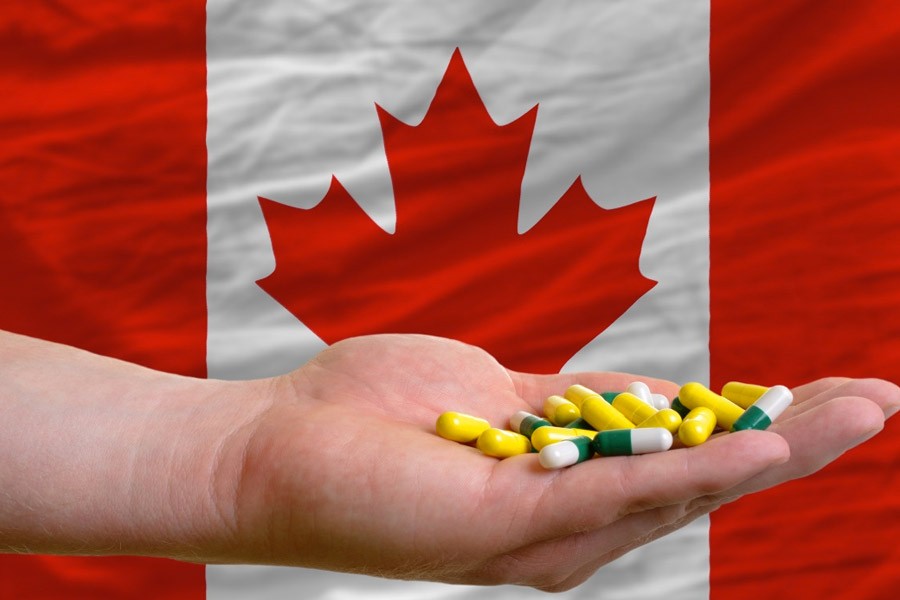
Canadian flag with a hand holding prescription drugs
Photo Source: NADDI

Earlier this year, we highlighted the dangers associated with drug importation. Prescription drugs imported from our good neighbor to the north do not guarantee that they are safe, and even the Canadian government has acknowledged so. Whereas Canadian manufactured prescriptions drugs are pretty much as safe as the ones made in the United States, there is no guarantee the safety standards can be said for the ones brought into their national boundaries before crossing our border. The Canadian government - along with the Canadian healthcare industry - has also indicated that it cannot adequately supply safe medicines to the United States since many prescriptions drugs face shortages[2] in their healthcare system. These points are conveniently overlooked by the politicians of both parties pushing this bad medicine, as well as most news media reporting on drug importation.

POLITICO reported that in its misguided quest toward allowing drug importation the Trump Administration is considering two pathways. One option would authorize pilot projects thereby granting states, wholesalers or pharmacists the authority to import prescription drugs "consistent with FDA approval" from Canada on a limited basis.[3] The other option would allow drug manufacturers to offer lower prices for imported prescription drugs so long as the domestic and foreign drugs are the same.[4] In either case, it is much easier said than done.

The Canadian Pharmacists Association and the Canadian Medical Association (along with numerous other Canadian healthcare groups) strongly rebuked the proposals and urged the Canadian government to oppose it.[5Public opinion polling among Canadians is also opposed to drug importation, since there already exist waiting lists to obtain many medicines. And the Canadian government is listening because Prime Minister Justin Trudeau has already promised to protect their nation's drug supply from flooding into the United States.[6]

The Trump Administration has once again demonstrated its "fly-by-the-seat-of-its-pants" style to governing and yet another troubling sign for people living with HIV/AIDS. The Partnership for Safe Medicines - of which our organization is member - characterized the proposals as "reckless and politically-motivated" with little hopes of achieving the intended outcome.[7] We agree!

Click to Watch PSM Ad Warning Against Dangers of Drug Importation


__________
[1] Acri née Lybecker, Kristina M.L. (2019, June 12). State Pharmaceutical Importation Programs: An Analysis of the Cost Effectiveness. SSRN. Retrieved online at https://papers.ssrn.com/sol3/papers.cfm?abstract_id=3402784.
[2] Shepherd MD (2010, Sept/Oct). The Effect Of US Pharmaceutical Drug Importation On The Canadian Pharmaceutical Supply. Can Pharm J. 143(5):226-33.
[3] Owermohle, Sarah (2019, July 31). Trump administration says it is studying 2 Canadian drug import pathways. POLITCO. Retrieved online at https://subscriber.politicopro.com/f/?id=0000016c-4803-d14f-ad7e-4a5786f50000.
[4] Owermohle, Sarah (2019, July 31). Trump administration says it is studying 2 Canadian drug import pathways. POLITCO. Retrieved online at https://subscriber.politicopro.com/f/?id=0000016c-4803-d14f-ad7e-4a5786f50000.
[5] Obiko, Natalie, and Simran Jagdev (2019, August 1). Trump’s ‘crazy’ drug import plan stirs backlash in Canada. Kennebec Journal. Retrieved online at https://www.centralmaine.com/2019/08/01/trumps-crazy-drug-import-plan-stirs-backlash-in-canada/.
[6] Kirkup, Kristy (2019, August 1). PM pledges access to medication as pharmacists, patient groups fear shortage. CBC. Retrieved online at https://www.cbc.ca/news/politics/drug-shortage-trudeau-justin-us-trump-1.5233591.
[7] Safdar, Shabbir (2019, August 1). Partnership for Safe Medicines Statement on Reckless and Politically-Motivated Drug Importation Proposal. The Partnership for Safe Medicines.

Thursday, June 27, 2019

HIV/AIDS Fireside Chat Retreat in Michigan Tackles Pressing Issues

By: Brandon M. Macsata, CEO, ADAP Advocacy Association

The ADAP Advocacy Association hosted an HIV/AIDS "Fireside Chat" retreat in Detroit, Michigan among key stakeholder groups to discuss pertinent issues facing people living with HIV/AIDS. The Fireside Chat took place on Thursday, June 20th, and Friday, June 21st. Safe Medicines, HIV Criminalization, and the Ryan White HIV/AIDS Program ("RWHAP") were dissected by 24 diverse leaders in the fight against the HIV/AIDS epidemic.

FDR Fireside Chat
Photo Source: Getty Images

The Fireside Chat included moderated white-board style discussion sessions on the following issues:
  • Safe Medicines: Combatting the Dangerous Foothold Counterfeit Medicines Have Gained in the U.S.moderated by Shabbir Safdar
  • HIV Criminalization: Ending the Stigmatization of the HIV/AIDS Epidemic, moderated by Robert Suttle
  • Ryan White Program: Impact to Service Delivery under Trump’s Plan to Eliminate AIDS by 2030, moderated by Jeffrey S. Crowley
The discussion sessions were designed to capture key observations, suggestions, and thoughts about how best to address the challenges being discussed at the Fireside Chat. The following represents the attendees:
  • Khadijah I. Abdullah, Founder & Executive Director, RAHMA & National Faith HIV/AIDS Awareness Day
  • Marjorie Ambrosio-Whitson, Vice President of Clinical Operations, ScriptGuideRx
  • Guy Anthony, President & CEO, Black, Gifted & Whole Foundation
  • William E. Arnold, President & CEO, Community Access National Network (CANN)
  • Olivier Bahizi, Advocate
  • Hala Bazzi-Lang, PharmD. RMGO, Local Specialty Registered Store Manager, Walgreens
  • Elmer Cerano, Retired & Board Member, ADAP Advocacy Association
  • Noel Chavez-Guizar, Clinic Case Manager, Rocky Mountain CARES
  • Tori Cooper, Founder & Executive Director, Advocates for Better Care Atlanta
  • Jeffrey S. Crowley, Distinguished Scholar & Program Director at the Infectious Disease Initiatives, O'Neill Institute for National and Global Health Law, Georgetown Law
  • Chris E. Davis, Attorney, Michigan Protection & Advocacy Service (MPAS)
  • Terry-Ann Francis, MPH, Global Professional Relations & Independent Medical Education, Global Medical Affairs, Merck
  • Stephen Hourahan, Consultant 
  • Lisa Irwin, Senior Manager, Project & Program Management, MagellanRx
  • Brandon M. Macsata, CEO, ADAP Advocacy Association
  • Stephen Novis, Government Relations Director, ViiV Healthcare
  • Murray C. Penner, Executive Director – North America, Prevention Access Campaign - U=U
  • Ioana Popa-Simil, Advocate
  • Alan Richardson, Executive Vice President of Strategic Patient Solutions, Patient Advocate Foundation
  • Josh Robbins, Owner, BNA Talent Group & The BRANDagement
  • Shabbir Imber Safdar, Executive Director, Partnership for Safe Medicines
  • Robert Skinner, President & CEO, Valley AIDS Information Network
  • Robert Suttle, Assistant Director, SERO Project 
  • Ian Wendt, Executive Director, HIV Community Operations, Gilead Sciences
The ADAP Advocacy Association is pleased to share the following brief recap of the Fireside Chat.

Safe Medicines:

According to Shabbir Safdar, 2019 has been an interesting year legislatively for the issue of pharmaceutical supply chain safety. Bills to attempt to legislate Canadian drug importation have been proposed in Utah, Colorado, Oregon, Missouri, Florida, Connecticut, and Maine. Bills have passed state legislatures in Colorado and Florida. These proposals attempt to create a pipeline of excess medicine, not needed by the Canadian population, to American patients.

One key question asked was can this work or are these bills actually implementable?
Prior experiments were reviewed, including: What has been the experience of other states that have implemented importation? Did it get used? Does it save money? What has changed about the market since the last programs in 2000-2010?
  • Illinois’ iSaveRX: Safety issues, missing inspections, terminated with low utilization
  • MN RXConnect: Safety issues, terminated with low utilization
  • Maine: No inspections, confirmed counterfeit, overturned in Federal court
  • Vermont: Not implemented yet, better savings through Medicaid, Projected savings to insurance companies: $2.61 to $2.82 per member, per month.
Questions over the politics of importation included: What has the rhetoric around these bills been like? Are state legislatures considering safety when passing them? Does spending time or money on legislation like this defer other priorities? Is this more of a soundbite than a real proposal?

During the meeting, some examples were shared of where a patient dollar for a pharmaceutical goes.  An infographic shows the complexity of how money flows in the U.S. healthcare supply chain.

The following materials were shared with retreat attendees:
The ADAP Advocacy Association would like to publicly acknowledge and thank Shabbir for facilitating this important discussion.

HIV Criminalization:

According to some estimates, 14% (or 1 in 7) of all people living with HIV (PLHIV) in the United States, and 20% (1in 5) of Black Americans living with HIV, will pass through a jail or prison every year. Though there is variation state to state, the prevalence of HIV in state and federal prisons in the United States is nearly five times greater than that of the general population.  The factors associated with disproportionate rates of incarceration -- such as drug use, non-conforming sexual and gender identity, mental illness, poverty, or being a person of color – can also augment a person’s risk of contracting HIV. Further, over 30 states have laws in place that criminalize alleged HIV exposure, non-disclosure, or transmission. Many states also apply harsher penalties to sex workers and people who inject drugs on the basis of HIV status. These laws perpetuate stigma of criminality, undercut public health, and disproportionately affect women, people of color, and other marginalized communities.

Photo Source: Queerty.com
Efforts to reform HIV criminal laws are underway across the U.S. In the last year alone, reform was proposed or achieved in several states. The experiences in these states offer numerous lessons:
  • Public health buy-in can be critical for success
  • The need to draw connection between different advocacy communities, including those focused on HIV, LGBTQ+ rights, mass incarceration, sex workers’ rights and harm reduction. 
  • In state legislatures education is critical and support can come from unexpected places. 
While HIV criminal laws must be reformed to address the overrepresentation of PLHIV in the criminal legal system, it is also essential to consider broader drivers of incarceration of PLHIV, including the war on drugs and discrimination against people of color and LGBTQ+ people in housing, employment, and education. Mass incarceration and HIV are linked epidemics, and the systemic injustices that drive mass incarceration also power the continued transmission and increasing prevalence of HIV in marginalized communities. Advocacy efforts, which seek to reform HIV criminal laws without attention to broader community-level factors impacting risk of incarceration for PLHIV are incomplete.

The following materials were shared with retreat attendees:
The ADAP Advocacy Association would like to publicly acknowledge and thank Robert for facilitating this important discussion.

Ryan White Program:

The Ryan White HIV/AIDS Program was discussed, as well as the potential intersection with the Administration's plan to End the Epidemic by 2030 (EtE) initiative. As a foundational point for this discussion, some important facts were shared on why is the Ryan White Program needed if people with HIV have health insurance coverage, especially its role in leading the way in getting people with HIV virally suppressed by ensuring stable access to HIV primary care and medication, along with critical support services.

The discussion included a summary on the progression from 2010 National HIV/AIDS Strategy to 2015 Strategy to Trump Administration plans. Additionally, it reviewed what is the role of the Ryan White Program and HRSA/HAB leadership in this initiative, as well as what are the opportunities and challenges with this effort?

Ending the Epidemic
Photo Source: HIV.gov

There was considerable debate on where the HIV community stands on the EtE initiative, which led to a broader conversation whether it is possible to define the "community" since there are often significant disconnects between national, state, and grassroots opinions.

With ongoing concerns over the current Administration, Ryan White reauthorization was weighed in the context of the current political environment. Yet there was recognition that the program would need to be updated at some point in time. That discussion led to a broader conversation on how is the program addressing emerging or other issues (Rapid Start of ART, HCV Elimination, Opioid/SUD response, STIs, other issues).

The following materials were shared with retreat attendees:
The ADAP Advocacy Association would like to publicly acknowledge and thank Jeffrey for facilitating this important discussion.

Additional 2019 Fireside Chats are planned in Richmond, Virginia, and New York, New York.