Showing posts with label HIV Criminalization. Show all posts

Thursday, May 29, 2025

Closing the Book on Maryland's HIV Criminalization Law

By: Ranier Simons, ADAP Blog Guest Contributor

Science and equity slowly continue to push policy forward. On May 21, 2025, Maryland became the fifth state to decriminalize HIV. In February 2025, Maryland Senate Bill 356 and House Bill 39 passed in their respective chambers. On May 21, Governor Wes Moore signed the legislation into law with the official name, ‘The Carlton R. Smith Act’. Carlton R. Smith was an activist, long-term HIV survivor, and advocate championing Baltimore LGBTA and HIV services (Bishop, 2024; Medina, 2024). He passed away in May 2024, and as an active proponent of this legislation, it was fitting to name it after him. The effective date of the legislation is October 1, 2025. 

Maryland becomes fifth state to repeal HIV Criminalization law
Photo Source: CHLP

The act repeals the previous law, which consisted of two concise sections: 

  • (a) An individual who has the human immunodeficiency virus may not knowingly transfer or attempt to transfer the human immunodeficiency virus to another individual. 
  • (b) A person who violates the provisions of this section is guilty of a misdemeanor and, on conviction, is subject to a fine not exceeding $2,500 or imprisonment not exceeding 3 years or both.

HIV criminalization means criminalizing living with HIV by criminalizing behavior that is not commonly criminalized when a person is HIV-negative. It also means adding enhanced punitive actions for a crime to those living with HIV convicted of a crime, more than the punishment if HIV was not involved (CHLP, 2025 May). The Maryland legislation was inherently problematic because it did not specify the means of transmission, did not require actual, verified transmission of the virus, and did not require any proof of intent. It merely needed someone to ‘knowingly’ expose another person to HIV (Cisneros et al., 2024). Additionally, it carved out HIV from general health statutes surrounding the spreading of other communicable diseases, adding a misdemeanor, monetary fine, and a maximum three-year imprisonment term (Cisneros et al., 2024).

The repealed Maryland statute was discriminatory regarding HIV status and race. From 2020-2022, enforcement of HIV criminalization laws was heavily concentrated in predominantly Black counties: 32% of the state's cases were in Baltimore City, 19% in Montgomery County, and 18% in Prince George’s County (Cisneros et al., 2024). Additionally, Black Marylanders were only 30% of the state's population and 71% of PLWHA, but they accounted for 82% of all HIV-related cases (Cisneros et al., 2024).

The Maryland statute ignored scientific evidence, which shows that a person with an undetectable viral load cannot transmit the virus. It also did not give any weight to a person living with HIV who disclosed their status or received consent from the other party (Cisneros et al., 2024). Thus, the latitude of defining actions as ‘knowledgeable exposure’ was predatorily wide.

Woman being arrested with handcuffs resembling the HIV Red Ribbon
Photo Source: The 19th

According to the Center for HIV Law and Policy (CHLP), in the United States, 32 states currently have HIV-specific criminalization laws, and 28 have HIV-related criminal penalty enhancements (CHLP, 2025 February). Additionally, some states have general statute criminal laws that allow HIV to be prosecuted in terms of assault with a deadly weapon or reckless endangerment. These laws are fundamentally not evidence-based because HIV cannot be transmitted through spitting, biting, fighting, or throwing bodily fluids. Outdated laws contribute to the stigma and reinforce opinions that contradict current medical science. 

In March of this year, North Dakota also got rid of its HIV criminalization laws. Before repeal, N.D. Cent. Code § 12.1-20-17 stated that PLWHA could be prosecuted for having sex if they did not disclose their status, even if the activity was low risk or posed no risk at all, such as with oral sex. The penalties for conviction were up to 20 years in prison and a Class A felony conviction. Additionally, people who shared syringes or needles without proper sterilization could have been prosecuted even without intent to transmit or any verified actual infection, as well as qualify for the same maximum 20-year imprisonment penalty and felony classification.

HIV criminalization laws do not benefit or improve public health or safety. In fact, HIV criminalization laws make people fearful of getting tested, seeking care, or even disclosing when undetectable and in treatment. It is imperative to continue to educate legislators as well as the public. It is unacceptable to allow these laws to keep PLWHA tangled in the justice system unduly, demoralize their existence, and continue to marginalize and disenfranchise racial and sexual minoritized groups.

[1] Bishop, K. (2024, June 6). Remembering Carlton Smith. Retrieved from https://chasebrexton.org/blog/remembering-carlton-smith

[2] Center For HIV Law and Policy (CHLP). (2025, February). Mapping HIV Criminalization Laws in the U.S., CHLP (2025). Retrieved from https://www.hivlawandpolicy.org/maps#:~:text=In%20the%20United%20States%2C%2032,knowledge%20of%20their%20HIV%20status.

[3] Center For HIV Law and Policy (CHLP). (2025, May 20). Maryland Repeals HIV Criminalization Law. Retrieved from https://hivlawandpolicy.org/news/maryland-repeals-hiv-criminalization-law

[4] Cisneros, N., Tentindo, W., Sears, B., Macklin, M., Bendana, D. (2024, January). Enforcement of HIV Criminalization in Maryland. Retrieved from https://williamsinstitute.law.ucla.edu/wp-content/uploads/HIV-Criminalization-MD-Jan-2024.pdf

[5] Medina, J. (2024, June 24). The Life and Work of Carlton Smith. Retrieved from https://www.freestate-justice.org/the-life-and-work-of-carlton-smith

Disclaimer: Guest blogs do not necessarily reflect the views of the ADAP Advocacy Association, but rather they provide a neutral platform whereby the author serves to promote open, honest discussion about public health-related issues and updates.   

Thursday, March 6, 2025

Maryland and North Dakota Take Steps to Kick Their HIV Criminalizations Back to the 1980s

By: Ranier Simons, ADAP Blog Guest Contributor

HIV criminalization laws represent the worst of society’s response to the AIDS epidemic, rooted in fear, homophobia, and hysteria…and a lot of misinformation. The United States was the first nation to enact HIV-specific criminal laws, dating back to 1986-87. HIV criminalization laws still exist, but the wheels of progress are slowly chipping away at them as medical advances have changed HIV/AIDS from a death sentence to a manageable chronic disease. Equally important is the growing acceptance of the science behind “Undetectable Equals Untransmittable” (U=U), which has weakened the argument for these outdated, inhuman laws. Recently, two states, Maryland and North Dakota, passed bills to remove HIV criminalization laws from their statutes.

The Marshall Project: He’s in an Ohio Prison for Exposing Someone to HIV - Even Though He Couldn’t Transmit the Virus
Photo Source: CHLP | The Marshall Project

Yet, many states still have active HIV criminalization laws in place. From 2008 to 2013, at least 180 people living with HIV/AIDS (PLWHA) were arrested or charged under HIV criminalization laws (Tang, 2024). These HIV statutes have not been updated to reflect evidence-based science and are predatory towards PLWHA. As of February 2025, 32 states have offenses that criminalize exposure to and/or transmission of HIV (CHLP, 2025). In 1994, Texas was the first state to repeal its HIV criminalization law (CHLP, 2020). The reality is that much work remains to kick HIV criminalization laws back to the 1980s, and some states are doing it!

In February of this year, Senate Bill 356 and House Bill 39 passed in both Maryland chambers. Both bills are repeals of a section of the Maryland code that specifically criminalized the intentional transfer of HIV from one person to another. The statute declared the knowing transmission of or attempted transmission of HIV a misdemeanor subject to a fine of up to $2,500 or a jail term with a maximum of three years, or both. Legislators passed the bills with the understanding that the law was not an effective means of protecting public health. Delegate Kris Fair stated (seen below), “The law was, for right or wrong, thought to help curb the transmission of HIV…What public health experts and criminal justice organizations have taught us … is that we’ve actually seen the exact opposite.” (Brown, 2025).

Del. Kris Fair (D-Frederick) sponsored House Bill 39, to repeal a law that makes it a crime to knowingly spread HIV. It received bipartisan approval from the House this week. (Photo by Danielle J. Brown/Maryland Matters).
Photo Source: Maryland Matters | Photo by Danielle J. Brown

Also, on February 20, 2025, North Dakota passed House Bill 1217. This repeals a section of the code regarding the willful transfer of bodily fluid containing HIV. ‘Transfer’ here is defined as “engage in sexual activity by genital-genital contact, oral-genital contact, or anal-genital contact, or to permit the reuse of a hypodermic syringe, needle, or similar device without sterilization.” The law being repealed states that a person who knowingly transfers HIV to another person without their knowledge can be charged with a Class A felony with a maximum penalty of 20 years in prison and a maximum fine of $20,000. The bill changes the crime from a felony to a misdemeanor (Gall, 2025). In North Dakota, HIV is the only disease attributed to a felony charge, whereas other STI transmission crimes are misdemeanors. The bill now needs to be considered in the House.

Both states acknowledge that HIV criminalization is discriminatory. Singularly carving out HIV as a disease requiring enhanced criminal penalties increases stigma, is a disincentive for the public to normalize testing, and disproportionately affects specific populations. Fear of potential criminal prosecution means that people will be more hesitant to seek testing and subsequently must disclose their status to their partners (Yang, 2018). Additionally, it can adversely affect the trust within the doctor-patient relationship, resulting in delayed antiretroviral treatment initiation, poorer treatment outcomes, and adversely affecting public health. 

Medical science has made the possibility of HIV transmission effectively non-existent by PLWHA, who are undetectable on treatment. “U=U” is not a catchy slogan – it is an evidence-based scientific reality. Requiring an individual to indisputably prove their disclosure of their status if accused of exposure without consent is virtually impossible (Lazzarini, 2013). When HIV criminalization laws are in place, people can nefariously use them against people, such as a spurned partner retaliating against a former partner when a relationship does not end on good terms. Predatory laws harm PLWHA because being convicted does not even require actual HIV transmission to occur or proof of intent to deliberately pass the virus on to someone. 

U=U
Photo Source: Red Bubble

HIV criminalization laws also disproportionately affect marginalized groups, such as communities of color, specifically black men. Racial inequities and social determinants of health have already been shown to increase the likelihood of black male exposure to the criminal legal system (AIDS Vu, 2021). When HIV criminalization laws add enhanced sentencing or create violations that otherwise would not exist, they exacerbate targeted adverse outcomes. In Maryland, for example, Black people are 30% of the population, 71% of those who are PLWHA, and 82% of HIV-related criminal cases. Black men, specifically, are 68% of those accused in HIV-related cases despite comprising only 14% of the state population and 44% of Maryland PLWHA (UCLA, 2024).

Maryland and North Dakota’s recent bills to eliminate HIV criminalization are positive steps, but much more needs to be done. The number of states that currently have laws specifically targeting HIV for violations outside of standard communicable disease statutes or heightened sentencing is unacceptable. The stigma and hindrance to widespread testing of HIV criminalization add to the numerous barriers to ending the HIV epidemic in the United States. It would be easily conquerable if laws would catch up to science.

[1]  AIDSVu. (2021, May 10). HIV Criminalization. Retrieved from https://aidsvu.org/news-updates/hivcriminalization/#:~:text=HIV%20criminalization%20laws%20have%20also,transgender%20women%2C%20and%20sex%20workers.

[2] Brown, J. (2025, February 22). Bills to repeal ‘antiquated’ law criminalizing transfer of HIV sail through House, Senate. Retrieved from https://marylandmatters.org/2025/02/22/bills-to-repeal-antiquated-law-criminalizing-transfer-of-hiv-sail-through-house-senate

[3] The Center for HIV Law and Policy (CHLP). (2020). HIV CRIMINAL LAW REFORM: BEFORE & AFTER: Texas. Retrieved from https://www.hivlawandpolicy.org/sites/default/files/HIV%20Criminal%20Law%20Reform%20Before%20and%20After%20Texas%2C%20CHLP%202020.pdf

[4] The Center for HIV Law and Policy (CHLP). (February, 2025). Mapping HIV Criminalization Laws in the U.S. Retrieved from https://www.hivlawandpolicy.org/sites/default/files/2025-02/Mapping%20HIV%20Criminalization%20Laws%20in%20the%20US%2C%20CHLP%202025.pdf

[5] Gall, P. (2025, February 20). House Bill to reduce HIV transmission penalty advances in North Dakota. Retrieved from https://www.ksjbam.com/2025/02/20/intentional-hiv-transmission-charge-may-be-lowered-from-felony-to-misdemeanor/#:~:text=House%20Bill%201217%20passed%20on,to%20the%20Senate%20for%20consideration.

[6] Lazzarini, Z., Galletly, C. L., Mykhalovskiy, E., Harsono, D., O'Keefe, E., Singer, M., & Levine, R. J. (2013). Criminalization of HIV transmission and exposure: research and policy agenda. American Journal of Public Health, 103(8), 1350–1353. https://doi.org/10.2105/AJPH.2013.301267

[7] UCLA School of Law Williams Institute. (2024, January). Enforcement of HIV Criminalization in Maryland. Retrieved from https://williamsinstitute.law.ucla.edu/wp-content/uploads/HIV-Criminalization-MD-Jan-2024.pdf

[8] Tang, Catherine (2024). Our country's dark history of persecuting people with HIV. HIV Plus Magazine. Retrieved from https://www.hivplusmag.com/stigma/us-history-hiv-criminalization.

[9] Yang, Y. T., & Underhill, K. (2018). Rethinking Criminalization of HIV Exposure — Lessons from California’s New Legislation. New England Journal of Medicine, 378(13), 1174–1175. https://doi.org/10.1056/nejmp1716981

Disclaimer: Guest blogs do not necessarily reflect the views of the ADAP Advocacy Association, but rather they provide a neutral platform whereby the author serves to promote open, honest discussion about public health-related issues and updates. 

Thursday, December 14, 2023

Americans with Disabilities Act Negates Tennessee HIV Criminalization Statute

By: Ranier Simons, ADAP Blog Guest Contributor

Christmas has come early in Tennessee. December 2023 began with a victory in the fight against HIV criminalization in the Volunteer State. As a result of complaints filed by the Center for HIV Law and Policy (CHLP), the U.S. Department of Justice found that Tennessee’s enforcement of its aggravated prostitution statute violates the Americans with Disabilities Act (ADA) by specifically targeting people living with HIV (PLWHA). CHLP hailed the decision, "CHLP Made the Call and the DOJ Answered."

Center for HIV Law & Policy

According to the Centers for Disease Control & Prevention (CDC), 35 states currently have laws that criminalize HIV exposure, which fall into several categories. They are either HIV-specific laws regarding actions that can potentially result in HIV exposure, sexually transmitted disease (STD) or communicable disease exposure laws that could include HIV, general criminal statutes that could be used to define actions that could possibly cause HIV or STD exposure, or laws that enhance sentences for certain crimes when committed by PLWHA.[1] Tennessee’s aggravated prostitution statute falls into the sentence enhancement category.

Tennessee enacted its aggravated prostitution statute in 1991. Prostitution in the state, in general, is only a misdemeanor crime. However, the aggravated prostitution statute converts it to a Class C Felony if the person convicted is HIV positive. Conviction of a Class C felony means the possibility of imprisonment from three to fifteen years and up to a $10,000 fine.[2] Conviction of prostitution by someone without HIV is only a Class B misdemeanor, which could result in up to only six months in jail and up to a $500 fine.[2] Additionally, aggravated prostitution convictions require registering with the Tennessee Bureau of Investigations as a sex offender. 

To add insult to injury, in 2010, aggravated prostitution was reclassified as a violent sexual offense. This means that those convicted must stay on the sexual offender registry (SOR) for life. Previously, they were able to petition to be removed after ten years.[2] Moreover, an aggravated prostitution conviction makes one ineligible for judicial diversion. Judicial diversion is when first-time offenders are allowed to enter what equates to a conditional guilty plea. If they plead guilty and fulfill the conditions of a court-defined special probation period, their charges are dismissed, and their records are expunged.[2]

The Americans with Disabilities Act defines HIV/AIDS as a disability because it can significantly hinder life activities. PLWHA are protected whether they are symptomatic or not, and those protection were reaffirmed in Bragdon v. Abbott, 524 U.S. 624 (1998). Protection under the ADA means guaranteed “equal opportunity for individuals with disabilities in public accommodations, employment, transportation, State and local government services, and telecommunications…also protects persons who are discriminated against because they have a record of or are regarded as having HIV, or they have a known association or relationship with an individual who has HIV”.[3] All of those guarantees are denied to those convicted under the aggravated prostitution statute, which subjects those convicted to undue hardship in many aspects of their lives.

HIV Criminalization Map
Photo Source: POZ Magazine

Being on the sexual offender registry significantly affects where people can live, work, or be present in public. You may not work or live within 1,000 feet of any school, childcare facility, public park, or playground.[2] Simply being on the premises of these areas is also prohibited unless you have an express reason for being there, such as being the parent of a child at a specific place. An individual on the SOR cannot take their child to a public park to play. However, they can retrieve their child from school only if they give written notice to the school in advance that they are a registered sex offender.[2] The SOR denies people the ability to spend time with children in their families. One example is a grandparent who is on the SOR and cannot spend time alone or babysit their grandchild because they are prohibited from being alone with minors.

A lifetime registry on the SOR facilitates long-term discrimination and even homelessness. Landlords run background checks and frequently won't rent to anyone on the SOR. Once on the SOR, a person’s personal information becomes publicly available. The publicly searchable Tennessee Bureau of Investigations (TBI) SOR website lists all sorts of data such as photos, ages, names, addresses, parole information, school and work addresses, unrelated criminal history, and more. Furthermore, the website enables visitors to click on the statutes for which one has been convicted. Thus, seeing that someone is convicted under the aggravated prostitution statute means public exposure of their HIV status. This leaves a person vulnerable to hate crimes, housing and employment discrimination, and mental stress from living with their life on display.

The DOJ investigation revealed that Shelby County in Tennessee had the highest enforcement rate of the aggravated prostitution statute. In 2022, Shelby County was the residence of 74% of people on the SOR for aggravated prostitution while housing only 13% of the state’s population.[2] Also, over 90% of those aggravated prostitution arrests were Black, with a large number being Black women, both cisgender and transgender.[2] The SOR further oppresses marginalized individuals financially. Many of those convicted are low-income, making the annual $150 mandatory fee for being listed on the SOR a hardship. Additionally, being on the SOR requires reporting in person four times a year to update registration.[2] Failure to do so results in a violation, which could result in jail time.

DOJ detailed multiple legal remedies to the ADA violations to both the state government and specifically the Shelby County District Attorney General’s Office (SCDAG). The list for the SCDAG includes stopping the enforcement of the statute, including probation violations related to violations of SOR reporting requirements, creating a protocol for vacating aggravated prostitution convictions, and educating all SCDAG attorneys about HIV and the nondiscrimination requirements of Title II of the ADA.[2] 

Criminalized or controlled actions in HIV/AIDS criminalization laws
Photo Source: CDC

For the state, DOJ’s recommendations include ceasing the enforcement of the statute, using the TBI to remove people on the SOR who are there solely due to aggravated prostitution convictions, expunging all state records showing that those with aggravated prostitution convictions were ever on the SOR, and paying compensatory damages (SOR fees, court costs and fines, bonds, etc.) to those who were victims of the statute.[2,5] One very notable recommendation to the state is to notify all those who have been removed from the SOR and whose references to their convictions have been removed.[2] Not only is it legally empowering to have documentation in hand, but it is also mentally empowering to have confirmation of reclaiming control over one’s life.

The aggravated prostitution law is predatory to vulnerable populations and is not based on science, according to our government's highest law enforcement institution. It is draconian, according to advocates. Since 1991, advances in antiretroviral therapy have come a long way and it has opened the door to "treatment as prevention" (TasP) and "undetectable equals untransmittable" (U=U). Laws need to reflect these advances.

S. Mandisa Moore-O’Neal, CHLP Executive Director, states, “The implications of the DOJ’s findings are far-reaching. This not only puts the state of Tennessee on notice that this is a serious issue, but it also serves as notice to other states with similar HIV criminal statutes.”[4] Regarding the future continuation of the fight against HIV criminalization, she also says, “This is also an opportunity for other state coalitions organizing and educating around HIV criminalization to leverage these findings with lawmakers. When many state budgets are already tight, the possibility of new and often costly litigation may be the impetus to change these laws.”[4]

Jen Laws, President & CEO of the Community Access National Network applauded the decision, "This is an excellent development in implementing the ADA and affording protections to people living with HIV. We owe a debt of gratitude to our friends at CHLP for exploring this legal argument. DOJ's Civil Rights Division has room to expand on this work in other areas affecting people living with HIV and the legal system. From enforcement of medication access for incarcerated and jailed persons to enforcement of these same protections in family courts, our people face discrimination when interacting with our legal system and that needs to change."

In today’s political climate, many lawmakers either do not care about the adverse effects flawed laws have on marginalized communities or feel the consequences of the laws are somehow deserved due to their personal ideologies. Challenging the aggravated prostitution law by showing how it violates the ADA is a perfect example and blueprint of how to fight legalized oppression by using legal statutes that cannot be ignored. When one cannot change the system, it’s empowering to find ways to use the existing system to one’s advantage. Chalk-up a big win for CHLP...and PLWHA in Tennessee.

[1] Health Resources and Services Administration. (2023, September). Ryan White HIV/AIDS Program AIDS Drug Assistance Program (ADAP) Annual Client-Level Dat1) Centers for Disease Control. (2023). HIV and STD Criminalization Laws. Retrieved from https://www.cdc.gov/hiv/policies/law/states/exposure.html#:~:text=As%20of%202022%2C%2035%20states,categorized%20them%20into%20four%20categories.

[2] U.S. Department of Justice Civil Rights Division. (2023, December 1). The United States’ Findings and Conclusions Based on its Investigation of the State of Tennessee and the Shelby County District Attorney General’s Office under Title II of the Americans with Disabilities Act, DJ No. 204-70-85. Retrieved from https://www.justice.gov/d9/2023-12/2023.11.30_tn_hiv_lof_final.pdf

[3] U.S. Department of Justice Civil Rights Division. (2023). Protecting the rights of persons living with HIV/AIDS. Retrieved from https://archive.ada.gov/hiv/ada_hiv_brochure.html

[4] Center for HIV Law and Policy. (2023, December 1). News Release: CHLP Made the call and the DOJ answered. Retrieved from https://www.hivlawandpolicy.org/news/news-release-chlp-made-call-and-doj-answered

[5] Kruesi, K. (2023, December 1). Tennessee’s penalties for HIV-positive people are discriminatory, Justice Department says. Retrieved from https://apnews.com/article/justice-department-hiv-tennessee-6cda4a9170dfbe46bd8d8f6af91f76cd

Disclaimer: Guest blogs do not necessarily reflect the views of the ADAP Advocacy Association, but rather they provide a neutral platform whereby the author serves to promote open, honest discussion about public health-related issues and updates.

Thursday, May 11, 2023

Fireside Chat Retreat in Nashville, TN Tackles Pressing Public Health Issues

By: Brandon M. Macsata, CEO, ADAP Advocacy Association & Jen Laws, Board Co-Chair, ADAP Advocacy Association

The ADAP Advocacy Association hosted its "Health Fireside Chat" retreat in Nashville, Tennessee among key stakeholder groups to discuss pertinent public health issues facing patients in the United States. The Health Fireside Chat convened Thursday, April 27th through Saturday, April 29th. The state of Tennessee cutting funding for HIV prevention, detection and treatment programs, a growing chorus calling for reforms to the 340B Drug Pricing Program, and the intersection between U=U (undetectable equals untransmittable) and reforming HIV criminalization laws were evaluated and discussed by the 24 diverse stakeholders.

The series was rebranded to encompass a broader focus on public health, changing from the HIV/AIDS Fireside Chat to the Health Fireside Chat. Unlike previous Fireside Chats, Nashville’s event added an “ice breaker” activity, themed in light of the hosting city – a line dancing lesson, as well as an informal town hall meeting convened in partnership with Positively Aware. The additional half day of activities  including the ice breaker, townhall meeting, and meet and greet  allowed attendees to settle into conversation expediently after having a solid hour of good laughs, encouragement, and bonding.

FDR Fireside Chat
Photo Source: Getty Images

The townhall meeting, which was facilitated by Rick Guasco, Acting Editor-in-Chief of Positively Aware, started with recognition that Nashville was explicitly chosen as a hosting city due to the state of Tennessee’s rejection of federal HIV prevention dollars. While a later discussion was specific to that issue, the town hall dug into underlying (and broader) concerns around systemic discrimination as a driver of today’s HIV epidemic. Digging into how racism, as an example, manifests can be a touchy subject in any group, even among those who generally align. Such a charged set of topics, especially among HIV’s thought-leadership, can and does lead to transformational moments, particularly because creating a space of “internal” advocacy provides a chance for us to experience, and navigate, conflict amongst ourselves. That conflict and navigation also provides us a chance to grow together and to break down silos of interest, work, and thought. And this townhall did exactly that.

The Health Fireside Chat included moderated white-board style discussion sessions on the following issues:

  • Tension in Tennessee: Is an HIV Access to Care & Treatment Crisis Looming? — moderated by Jeffrey S. Crowley, Distinguished Scholar/Program Director, Infectious Disease Initiatives at the O'Neill Institute/Georgetown Law
  • 340B Drug Discount Program: The Issues Spurring Discussion, Stakeholder Stances, and Possible Resolutions? — moderated by Kassy Perry, President & CEO, Perry Communications Group
  • U=U: Is 'Undetectable Equals Untransmittable' Changing the Landscape for HIV Criminalization Laws? — moderated by Murray Penner, Executive Director, U=U plus, and S. Mandisa Moore-O'Neal, Executive Director, The Center for HIV Law & Policy

The discussion sessions were designed to capture key observations, suggestions, and thoughts about how best to address the challenges being discussed at the Health Fireside Chat. The following represents the attendees:

  • Guy Anthony, President & Founder, Black, Gifted & Whole Foundation
  • Jeffrey S. Crowley, Distinguished Scholar & Program Director at the Infectious Disease Initiatives, O'Neill Institute for National and Global Health Law, Georgetown Law
  • Brady Etzkorn-Morris, Executive Assistant for Global Operations, Prevention Access Campaign
  • Earl Fowlkes, President & CEO, Center for Black Equity
  • Rick Guasco, Acting Editor-in-Chief, Positively Aware 
  • Hilary Hansen, Global Public Affairs Head, Oncology, Sanofi
  • Kathie Hiers, President & CEO, AIDS Alabama
  • Marcus Hopkins, Founder & Executive Director, Appalachian Learning Initiative
  • Mark Hubbard, Patient Advocate
  • Vanessa Lathan, HIV Health Policy Director, Black Ladies in Public Health
  • Jen Laws, President & CEO, Community Access National Network
  • David Wyley Long, Change The Pattern Associate, Southern AIDS Coalition 
  • Brandon M. Macsata, CEO, ADAP Advocacy Association
  • Judith Montenegro, Program Director, Latino Commission on AIDS
  • Mandisa Moore-O’Neal, Executive Director, Center for HIV Law & Policy
  • Warren O’Meara-Dates, Founder & CEO, The 6:52 Project Foundation
  • Murray Penner, Executive Director, U=U plus
  • Kassy Perry, President & CEO, Perry Communications Group
  • Amanda Pratter, Associate Director, Policy Advocacy and Alliances, Gilead Sciences
  • Gwen Rathbun, Associate Director, Alliance Development, Merck
  • Alan Richardson, EVP of Strategic Patient Solutions, Patient Advocate Foundation
  • Donna Sabatino, Director State Policy & Advocacy, The AIDS Institute
  • Andrew Scott, Director of Strategic Alliances and Issue Advocacy, Bristol Myers Squibb
  • Robert Suttle, Patient Advocate

The Covid-19 pandemic is still ongoing. Covid-19 has killed at least 1,129,573 people and infected over 104 million in the United States since January 2020, according to data by the Centers for Disease Control & Prevention (CDC).

With that in mind, the ADAP Advocacy Association implemented strong Covid-19 safety protocols for the Health Fireside Chat, which included proof of vaccination/booster, robust self-administered testing (prior to travel, upon arrival, and after returning home), complimentary rapid self-test kits and hand sanitizer for each of the attendees, as well as guidelines for masks on commercial travel to the event, and optional masks during the sessions (which some attendees exercised without feeling shunned). 

Health Fireside Chat

 The ADAP Advocacy Association is pleased to share the following brief recap of the Health Fireside Chat.

Tension in Tennessee:

The first policy session, “Tension in Tennessee: Is an HIV Access to Care & Treatment Crisis Looming?”, lead by the O’Neill Institute’s Jeffrey S. Crowley, invited local advocates to discuss their internal view of Tennessee’s “troubles” with some national advocacy representation. While much of the discussion focused on the details of local communication and national assumptions, some discussion on how the state may implement its newly allocated funding (will the state’s budget continue to fund prevention efforts next year?), much of the conversation that followed was explicitly about how local advocates can communicate and collaborate with national advocacy efforts. What became clear from that conversation is much of the national and state level advocacy we tend to reflect fondly of when speaking on decades past is relatively fragile and not well-coordinated. Planning bodies have diminished to largely being provider groups and some don’t even meet – despite a statutory requirement to do exist. An attendee with capacity building expertise pointed out the need for investment in this space. Many planning bodies have been weakened by atrophy, others have faced a demographic shift (and as a result a change in the barriers and assistance needed in order to appropriately activate affected community). The discussion as a whole highlighted the extreme silos working against a cohesive and collaborative advocacy network necessary to support ending the HIV epidemic.

Tennessee Governor Bill Lee
Photo Source: Rolling Stone

 The following materials were shared with retreat attendees:

The ADAP Advocacy Association would like to publicly acknowledge and thank Jeffrey S. Crowley for facilitating this important discussion.

340B Drug Discount Program:

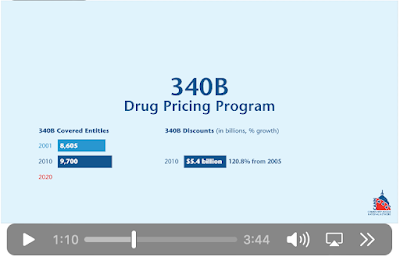
340B remains an important issue for HIV advocates. As such, “340B Drug Discount Program: The Issues Spurring Discussion, Stakeholder Stances, and Possible Resolutions?“ was the focus of the second policy session. Some of the advocates in attendance knew little about the program, so the discussion provided an excellent educational opportunity on how the discount drug program works. Laser focused on issues of health equity, Kassy Perry of Perry Communications Group lead the group to dig in – and quickly. Advocates less familiar with 340B were readily able to identify the need for reform when assessing reductions in charity care and increases in medical debt. The group readily recognized 340B as a powerful tool toward addressing health disparities, especially economic consequences for patients, and where those consequences can and do negatively impact entire areas of patients’ lives. Attendees from industry partners listened intently as advocates described their concerns and the need for the program to better reflect the intent in which it was established. Equally important, what is being proposed in New York has alarmed both patients and providers alike.

There was considerable conversation over the news about a new coalition, designed to support true safety-net providers and the communities they serve. The Alliance to Save America’s 340B Program (ASAP 340B) is a partnership of community health centers, patient, provider, and consumer advocates, and leaders from the biopharmaceutical industry. The ADAP Advocacy Association and the Community Access National Network have joined the alliance, and numerous groups in attendance expressed interest in also joining the fight to make 340B reflect the needs of patients, and not hospitals and mega providers. 

340B Drug Pricing Program
Photo Source: CANN YouTube Channel

The following materials were shared with retreat attendees:

The ADAP Advocacy Association would like to publicly acknowledge and thank Kassy Perry for facilitating this important discussion.

Editor's Note: The ADAP Advocacy Association has offered opinions on 340B over the last several years, including Industry’s Changes to 340B Drug Discount Program (April 2022), 340B – Reply Hazy, Try Again (January 2020), The Federal 340B Program: A Call to Order (March 2019), and 340B Program: Don't Throw the Baby Out with the Bathwater (March 2017)

U = U:

The final policy session, “U=U: Is 'Undetectable Equals Untransmittable' Changing the Landscape for HIV Criminalization Laws?“, focused on the intersection of issues between U=U and reforming HIV Criminalization Laws with the conversation hosted by Mandisa Moore-O’Neal, executive director of the Center for HIV Law and Policy, and Murray Penner, executive director of U=U Plus. Mandisa shared with the group the exceptional nature of HIV criminalization laws, but also how general criminal codes are out of date, furthering the HIV epidemic, and nearly exclusively used against Black and Brown people living with HIV. Mandisa also discussed how these laws can and are leveraged to further domestic violence (and coercive control). Murray then discussed how laws which allow for “affirmative defenses” only help those people living with HIV which can readily access and maintain care. All of which emphasized that the design of these laws assume that because someone is living with HIV, they are necessarily presumed “guilty”. Advocates discussed how to break silos, including the potential to partner in prosecutor and public defender education efforts. Advocates focused on health or with strong relationships with their local health departments, for example, might wish to participate in education efforts alongside legal advocacy organizations or a state Bar.

HIV Criminalization in the United States
Photo Source: CHLP

The following materials were shared with retreat attendees: 

The ADAP Advocacy Association would like to publicly acknowledge and thank Murray Penner and Mandisa Moore-O'Neal for facilitating this important discussion.

Additional Fireside Chats are planned for 2023 in Philadelphia, Pennsylvania, and New Orleans, Louisiana.

Disclaimer: Guest blogs do not necessarily reflect the views of the ADAP Advocacy Association, but rather they provide a neutral platform whereby the author serves to promote open, honest discussion about public health-related issues and updates.

Thursday, November 4, 2021

Ending the HIV Epidemic Hindered by Negative Attitudes, Misinformation & Stigma

By: Brandon M. Macsata, CEO, ADAP Advocacy Association

Is the United States' Ending the HIV Epidemic (EHE) being stymied by the American public's long-standing negative views on HIV/AIDS, largely fueled by misinformation and stigma? A recent national survey suggests the answer to that question is an unfortunate yes. The EHE initiative's four science-based strategies - Diagnose, Treat, Prevent, and Respond - apparently have an uphill battle against bigotry, fear and ignorance. 

Less than half of the American public (48%) consider themselves knowledgeable about HIV, which is slightly less than polling done the previous year. One-in-two non-LGBTQ people surveyed (53%) expressed hesitation receiving care from an HIV-positive medical professional, and one-third (35%) held similar attitudes about an HIV-positive teacher.[1] These attitudes reflect opinions held in 2021, not 1981.

GLAAD
Photo Source: GLAAD

The report, “The State of HIV Stigma 2021,” was spearheaded by GLAAD, Gilead Sciences and the Southern AIDS Coalition. Addressing the challenges laid out in the report, GLAAD summarized: "The findings reflect a vast lack of understanding of HIV and how it can be prevented, as well as significant discomfort and unfounded fear about people living with HIV. The Deep South has the highest rates of HIV diagnosis, yet the study reveals that the U.S. South also has some of the highest discomfort levels pertaining to the virus. This is a perfect storm for the perpetuation of misinformation."[2]

So much has been accomplished in the fight against HIV/AIDS since the 1990s with the advent of the highly active antiretroviral therapies (HAART), culminating with the growing acceptance of the science behind U=U ("Undetectable equals untransmissible"). Yet according to the GLAAD report, only 42% knew that someone properly following an antiretroviral drug regimen can’t transmit the virus.[3]  If making U=U foundational in our efforts to end the HIV epidemic is required, then we have much more work to do.

2021 State of HIV Stigma
Photo Source: GLAAD

Sadly, among straight, cisgender respondents, half appeared to have closed to door to loving a partner or spouse living with HIV. HALF! Maybe even more troubling is over one-third of the LGBTQ community expressed similar reservations.[4]

The South and Midwest regions of the country reflected higher levels of these negative attitudes, which also correlate with a culture of shame and greater prevalence of HIV criminalization laws.[5] Stigma continues to be a major hurdle in the ongoing efforts to educate Americans about HIV/AIDS. These efforts are further hindered by the incendiary language used by Donald J. Trump about Haitian immigrants and AIDS, or the insensitive, homophobic language used by rapper DaBabby about people living with HIV/AIDS, or the cruel "clean" characterization used by men on gay dating and hookup apps and websites

The media isn't without blame here, either. Approximately 6 in 10 Americans get their information about HIV/AIDS from the media.[6] Fortunately, GLAAD's report indicates "56% of non-LGBTQ respondents noted they are seeing more stories about people living with HIV in the media."[7]

"Measuring American attitudes toward HIV and the impact stigma has on people living with HIV" is at the heart of the GLAAD report,[8] and their efforts to monitor the country's mood on this issue is of paramount importance. The success, or failure, of the public policy strategies being employed to end the HIV epidemic will largely depend on combating negative attitudes, misinformation, and stigma.

[1] Kumamoto, Ian (2021, August 26). Half of Americans still don't know shit about HIV — and it's a real problem. MIC. Retrieved online at https://www.mic.com/life/people-know-even-less-about-hiv-than-they-used-to-according-to-new-research-84167181
[2] GLAAD (2021). 2021 State of HIV Stigma Study. Retrieved online at https://www.glaad.org/endhivstigma 
[3] Avery, Dan (2021, August 26). Half of Americans say they’d avoid an HIV-positive doctor. NBC News. Retrieved online at https://www.msn.com/en-us/news/us/half-of-americans-say-theyd-avoid-an-hiv-positive-doctor/ar-AANM01E?ocid=st
[4] 
GLAAD (2021). 2021 State of HIV Stigma Study. Retrieved online at https://www.glaad.org/endhivstigma
[5] Avery, Dan (2021, August 26). Half of Americans say they’d avoid an HIV-positive doctor. NBC News. Retrieved online at https://www.msn.com/en-us/news/us/half-of-americans-say-theyd-avoid-an-hiv-positive-doctor/ar-AANM01E?ocid=st
[6] McCrea, Megan (2020, April 25). How the Media Shapes Our Perception of HIV and AIDS. Healthline. Retrieved online at https://www.healthline.com/health/media-and-perception-of-hiv-aids 
[7] GLAAD (2021). 2021 State of HIV Stigma Study. Retrieved online at https://www.glaad.org/endhivstigma

[8] GLAAD (2021). 2021 State of HIV Stigma Study. Retrieved online at https://www.glaad.org/endhivstigma

Disclaimer: Guest blogs do not necessarily reflect the views of the ADAP Advocacy Association, but rather they provide a neutral platform whereby the author serves to promote open, honest discussion about public health-related issues and updates. 

Thursday, September 16, 2021

Could the Tide be Turning on HIV Criminalization Laws in the United States?

By: Brandon M. Macsata, CEO, ADAP Advocacy Association

The ongoing Covid-19 pandemic has revealed a longstanding truth well-known to the public health community, but often ignored by elected so-called 'leaders' and the general public. That is, public health is grossly underfunded in the United States. The federal share of public health expenditures dropped from 45% to 15% over 50 years.[1] Yet, rather than making the needed investments to address societal problems, or untreated cognitive and mental disabilities, or unfavorable social determinants of health, we leverage the vast criminal justice system to 'fix' them. There is probably no better example than the criminalization of HIV/AIDS in this country, dating back to the AIDS hysteria perpetrated by the late, bigoted Senator Jesse Helms. But evidence suggests that the tide is turning on these criminalization laws.

According to the Centers for Disease Control & Prevention (CDC), 37 states have HIV criminalization laws, including HIV-specific exposure laws, general communicable disease exposure laws (which could include HIV), and/or sentence enhancement laws specific to HIV. As of 2020, there were only 11 states with no specific criminalization laws.[2]

Starting in the 1990s, advances in medicine and the advent of the antiretroviral (ARV) therapies revolutionized the fight against HIV/AIDS; now, they are having a positive impact (pun intended) in the fight against HIV criminalization laws. The driving force behind it is Undetectable = Untransmittable, or U=U. In other words, a person living with HIV who is on treatment and has an undetectable viral load cannot transmit HIV through sex. According to the Prevention Access Campaign, "The science is clear. People living with HIV can feel confident that if they have an undetectable viral load and take their medications as prescribed, they cannot pass on HIV to sexual partners."[3]

Since 2014, several states have modernized their HIV criminalization laws - including California, Colorado, Iowa, Michigan, and North Carolina. With respect to these five states, CDC states: "Changes include removing HIV prevention issues from the criminal code and including them under disease control regulations, requiring intent to transmit, actual HIV transmission, or providing defenses for taking measures to prevent transmission such as viral suppression or being noninfectious, condom use, and partner PrEP use."[4]

Undetectable = Untransmittable
Photo Source: Prevention Access Campaign

U=U has changed the HIV criminalization paradigm, evidenced by three more states turning the tide on these outdated laws. Joining the chorus for change are Illinois, Missouri, and Nevada. The following news reports provide an excellent analysis on the driving force behind the changes in each state:

What is notable about Illinois, it represents only the second state to completely repeal its HIV criminalization law, following Texas' repeal back in 1994. “The repeal of the HIV criminal law in Illinois is a tribute to the work of state activists and organizers that made it happen, and a welcome advancement in the broader work to repeal these discriminatory laws across the nation,” said Jada Hicks, The Center for HIV Law & Policy’s Supervising Attorney for Criminal Justice Initiatives.[5]

HIV IS NOT A CRIME
Photo Source: Fine Art America

The criminal justice system shouldn't be used as a public health tool, because that isn't what it is designed to do. Broadly, some disability advocacy groups seeking to transform the system want to eliminate the criminalization of public health issues

In fact, Joshua D. Blecher-Cohen makes the case about disability law and criminalization in The Yale Law Journal, "HIV-specific criminal laws violate the Americans with Disabilities Act’s (ADA) ban on discrimination by public entities." We agree. In fact, there is a strong argument that such criminalization laws not only violate the ADA, but also the Rehabilitation Act of 1973, as amended. 

HIV criminalization laws don't curb the transmission of sexual transmitted infections, but they do promote HIV-related stigma. HIV criminalization laws don't save money, because they actually put taxpayers on the hook for more costs from unnecessary incarceration. HIV criminalization laws don't protect people, yet they do increase the spread of misinformation. People living with HIV/AIDS deserve equal protection under the law! HIV-negative people deserve a more honest approach to public health! And the United States deserves better!

[1] Haseltine, William A (2020, October 21). Underfunding Public Health Harms Americans Beyond Covid-19. Forbes. Retrieved online at https://www.forbes.com/sites/williamhaseltine/2020/10/21/underfunding-public-health-harms-americans-beyond-covid-19/?sh=76b194a9419c#:~:text=Public%20health%20is%20consistently%20underfunded%20and%20often%20viewed,shorter%20lives%2C%20especially%20among%20those%20in%20lower-income%20brackets.
[2] Centers for Disease Control & Prevention (2020, December 21). HIV and STD Criminalization Laws. U.S. Department of Health & Human Services. Retrieved online at https://www.cdc.gov/hiv/policies/law/states/exposure.html.
[3] Prevention Access Campaign (2021, February). Undetectable = Untransmittable. Retrieved online at https://www.preventionaccess.org/undetectable.
[4] Centers for Disease Control & Prevention (2020, December 21). HIV and STD Criminalization Laws. U.S. Department of Health & Human Services. Retrieved online at https://www.cdc.gov/hiv/policies/law/states/exposure.html.
[5] The Center for HIV Law and Policy (2021, July 28). Illinois Becomes Second State to Repeal HIV Criminalization Laws. Retrieved online at https://www.hivlawandpolicy.org/news/illinois-becomes-second-state-repeal-hiv-criminalization-laws. 

Disclaimer: Guest blogs do not necessarily reflect the views of the ADAP Advocacy Association, but rather they provide a neutral platform whereby the author serves to promote open, honest discussion about public health-related issues and updates.

Thursday, July 9, 2020

Reflections from an HIV Advocate's Journey: Ken Pinkela

By: Ken Pinkela

I guess you can say I am an HIV advocate by necessity…

I left home 7 days after high school graduation in 1985 and reported to Basic Camp at Fort Knox, Kentucky. I had an amazing life and career. I have lived and been stationed around the world. From Europe to Hawaii to Asia and across the United States. I was diagnosed with HIV while deploying to Iraq in July 2006 – it was a total surprise. Everything changed at that moment.

I could no longer be assigned to a combat unit.I could no longer volunteer to deploy in support of any overseas operation. I could no longer be stationed in Korea, and I no longer had control over my HIV status. It was hard enough as it was to be told by a stranger, and be pulled away from your friends and at that time was going to get a detachment command, but it was the shear overwhelming nature of being treated “different…”

Ken Pinkela

I headed back to Washington, DC and to what would be a very long tour at the Pentagon. But like so many other gay and HIV-positive service members…I had to try harder…work harder and deflect every question about why I was not able to deploy. I was even “coached” to lie and not let anyone know I was HIV-positive because of the fear and stigma in the chain of command.

I even went as far as to demand to be treated at the Navy Infectious Diseases Clinic in Bethesda, and not the Army Clinic at Walter Reed. I knew that I needed to be as far away from the Army, and I am a firm believer in mental health support that at the time only the Navy offered as a part of HIV care.

So if you’ve ever been in an HIV support group, there are the introductions and I’ve been HIV-positive for xx years...imagine these young service members because for them it was “days” since diagnosis, and the fear of disclosure to anyone of any rank. My parental advocacy kicked in. I would go to “group” in uniform. The clinic staff asked me not to do it (out of their own internal rank stigma/fear) but very soon realized why I was doing it. These young enlisted soldiers and sailors sitting amongst strangers, scared about life and their own military career. I’d be there, and in turn identify as Ken and HIV-positive...and at that moment I was just one of them. We were connected, and I found myself an accidental advocate and it felt right.

Sadly, my story turns very dark in 2009, when I was informed that I was under investigation for “HIV exposure” by a then “anonymous” complaint. It wasn’t until 2012 that I was court-martialed, and imprisoned at Fort Leavenworth without any evidence, denied the phylogenetic testing I volunteered for and even my family were called lairs by a US Army military judge. We later learned that a former U.S. Army First Lieutenant fabricated and lied that I had miraculously “exposed” him (not infected him) without any sexual contact. The Army never conducted an investigation and even denied my volunteering for phylogenetic analysis ,which would prove my HIV is not his HIV.

Ken Pinkela

I was released from prison in 2013, and have been on a war footing ever since. I will not stop telling my story and advocating to abolish HIV criminalization. My fight continues even today! Yes, for myself and my family – as I lost everything…I lost my home, my career and a 29-year retirement. I can’t get a job due to the conviction, and only recently successfully won back my Veterans Affairs medical benefits from early Gulf War combat injuries that had me hospitalized for a year at Walter Reed.

It’s not an easy fight. I’ll admit that I cry every single day…its cathartic and helps clear my mind.

The struggle is real for all advocates and it’s also personal for many of us…it really is for me!

Disclaimer: Guest blogs do not necessarily reflect the views of the ADAP Advocacy Association, but rather they provide a neutral platform whereby the author serves to promote open, honest discussion about public health-related issues and updates.

Thursday, January 16, 2020

HIV/AIDS Fireside Chat Retreat in New Jersey / New York Tackles Pressing Issues

By: Brandon M. Macsata, CEO, ADAP Advocacy Association

The ADAP Advocacy Association hosted an HIV/AIDS "Fireside Chat" retreat in Weehawken, New Jersey among key stakeholder groups to discuss pertinent issues facing people living with HIV/AIDS. The Fireside Chat took place on Thursday, December 5th, and Friday, December 6th. U = U, Molecular HIV Surveillance, and Mental Health were evaluated by 20 diverse leaders in the fight against the HIV/AIDS epidemic.

FDR Fireside Chat
Photo Source: Getty Images

The Fireside Chat included moderated white-board style discussion sessions on the following issues:
  • U = U: A Foundation for Ending the HIV Epidemic — moderated by Murray Penner, Executive Director, North America, Prevention Access Campaign
  • Ryan White Program: Is Molecular HIV Surveillance a Public Health Tool or Weapon to Fuel Stigma  — moderated by Brandon M. Macsata, CEO, ADAP Advocacy Association (planned facilitator was sick)
  • Mental Health: Implications of Co-Occurring Diagnosis of a Mental Condition and HIV/AIDS  — moderated by Brandon M. Macsata, CEO, ADAP Advocacy Association (planned facilitator was sick)
The discussion sessions were designed to capture key observations, suggestions, and thoughts about how best to address the challenges being discussed at the Fireside Chat. The following represents the attendees:
  • Tez Anderson, Founder, Let's Kick ASS (AIDS Survivor Syndrome)
  • Guy Anthony, Founder, Black, Gifted & Whole
  • William E. Arnold, President & CEO, Community Access National Network (CANN)
  • Robert Breining, spokesperson, Positively Fearless
  • Patricia Charleston, Program Supervisor, Gaudenzia, Inc.
  • Jeffrey S. Crowley, Distinguished Scholar & Program Director at the Infectious Disease Initiatives, O'Neill Institute for National and Global Health Law, Georgetown Law
  • Hilary Hansen, Executive Director, US Patient Advocacy & Strategic Alliances, Merck
  • Catherine Hanssens, Founding Executive Director, The Center for HIV Law and Policy
  • Ben Kelly, VP Operations, Maxor National Pharmacy Services
  • Scott Kramer, President & Psychotherapist, Affirming Psychotherapy LCSW PC
  • Jen Laws, policy consultant
  • Vickie Lynn, Visiting Instructor, USF
  • Brandon M. Macsata, CEO, ADAP Advocacy Association
  • Julie Marston, Executive Director, Community Research Initiative of New England, Inc.
  • Ann-Margaret Navarra, Faculty - Assistant Professor, NYU Rory Meyers College of Nursing
  • Stephen Novis, Director, Government Relations, ViiV Healthcare
  • Murray Penner, Executive Director, North America, Prevention Access Campaign
  • Alan Richardson, Executive Vice President of Strategic Patient Solutions, Patient Advocate Foundation
  • Lee Storrow, Executive Director, North Carolina AIDS Action Network (NCAAN)
  • Marcus Wilson, National Policy & Advocacy Director, Johnson & Johnson
The ADAP Advocacy Association is pleased to share the following brief recap of the Fireside Chat.

Undetectable = Untransmittable:

Murray Penner provided a basic overview on the science behind "undetectable equals untransmittable" ("U=U"), which is clear and indisputable. Treatment as prevention dates back to the 1990s, including preventing mother-to-child transmission. According to Penner, there have been four large international studies that have demonstrated U=U is sound public health policy.


According to Penner: "Four major scientific studies have proven that HIV-positive individuals who have an undetectable viral load and stay on their medications do not transmit the virus to sexual partners. The findings were initially announced in 2008 with the Swiss Statement, and they were confirmed again in 2016. For many people diagnosed with the virus, the news is nothing short of life-changing. Diagnosis doesn’t mean no more satisfying relationships. And that lifts people out of depression. They feel like they can be intimate and free in their sexual relations, and that’s at the heart of it.”

It was noted that U=U has been endorsed by the World Health Organization ("WHO"), as well as the U.S. Centers for Disease Control & Prevention ("CDC"). The foundation of U=U includes treatment, labs, and connection to care (or "TLC"), and it provides the public health argument for the U=U campaign.

The discussion also focused on the role of providers in educating patients and the general community, as well as how best to communicate the U=U message. There was also some conversation about how the messaging needs to adapt to address diverse communities. The group agreed more needed to be done to use U=U to change the outdated HIV Criminalization laws.

The following materials were shared with retreat attendees:
The ADAP Advocacy Association would like to publicly acknowledge and thank Murray for facilitating this important discussion.

Molecular HIV Surveillance:

Molecular HIV surveillance involves data collection and sharing between healthcare practitioners and public health departments to track individual treatment resistance, as well as trends in HIV infections. It also leverages cluster detection to identify new infections.

The discussion included an overview on healthcare & privacy rights, which fuel many of the concerns expressed by patients, advocacy groups, and some leading civil rights organizations. Background context included HIV-related stigma, dating back to early 1980s to current times; it also touched on HIV-related criminalization.

Weighing the pros and cons of this took was at the center of the debate on the issue. Whereas it is favored by Health Departments and some public health advocates, there remains considerable push-back from the community. There is no informed consent by patients for data collected using individuals’ blood samples. State and local health departments report de-identified data to the CDC, but there are obvious patient privacy concerns.

HIV Criminalization occupied a lot of the group's time during the discussion. Draconian HIV-specific criminalization laws still exist in 34 states; another 24 states have used general criminal statutes against people living with HIV for “HIV exposure” or non-disclosure of HIV status (CHLP, 2019). These laws relegate people living with HIV to second-class citizenship for numerous reasons. According to the Center for HIV Law and Policy, state HIV criminalization laws “criminalize non-disclosure of HIV status or exposure of a third party to HIV; make exceptions to confidentiality and privacy rights of people living with HIV; provide for sentence enhancements for people living with HIV convicted of underlying crimes such as prostitution and solicitation; and require sex offender registration for people living with HIV” (CHLP, 2019).

The following materials were shared with retreat attendees:
Jeffrey R. Lewis, President & CEO of the Legacy Health Endowment, was suppose to facilitate this discussion on Molecular HIV Surveillance but he was unable to attend due to illness. The ADAP Advocacy Association thanks him, nonetheless.

Mental Health:

Mental health and its intersection with HIV/AIDS included important statistics about both health issues in the United States. Research has found considerable overlap between many mental health disorders and HIV infection. Individuals who are receiving care for a mental health condition are four times as likely to be living with HIV compared to the general population, according to a multisite study of the prevalence of HIV with rapid testing in mental health settings.

Increasingly, it is an emerging issue among an aging population living with HIV/AIDS as it has become a chronic disease. As of 2015, over half of the 1.6 million individuals with HIV/AIDS are  50 years, or older. The discussion presented an excellent opportunity to discuss AIDS Survivor Syndrome, which is the term coined by Tea Anderson to describe the “spectrum of sustained trauma survivorship resulting from living through the AIDS pandemic.”


An important tool to address the unmet needs is targeted case management under Medicaid, although not widely utilized for individuals living with HIV/AIDS. Assertive community treatment is an intensive and highly integrated approach for community mental health service delivery. Four states have taken this approach to address the needs of the HIV community.

Once again, HIV Criminalization was discussed because it is linked to numerous mental health conditions among individuals living with HIV/AIDS. According to the CDC's Medical Monitoring Project, four in five HIV-positive patients report feeling internalized HIV-related stigma; two in three say that it is difficult to tell others about their HIV infection; one in three report feeling guilty or ashamed of their HIV status; and one in four say that being HIV-positive makes them feel dirty or worthless (CDC, 2018).

The following materials were shared with retreat attendees:
John Williamson, candidate for Masters in Social Work at Fordham University, was suppose to facilitate this discussion on Mental Health but he was unable to attend due to illness. The ADAP Advocacy Association thanks him, nonetheless.

Additional Fireside Chats are planned in 2020.

References:
  • Centers for Disease Control and Prevention. (2018). Medical Monitoring Project. Retrieved from: https://www.cdc.gov/hiv/statistics/systems/mmp/resources.html#Fact%20Sheets,%20
  • Center for HIV Law and Policy (March 2019). HIV Criminalization in the United States: A Sourcebook on State and Federal HIV Criminal Law and Practice (Third Edition). Retrieved online at http://www.hivlawandpolicy.org/sourcebook. 
Disclaimer: Guest blogs do not necessarily reflect the views of the ADAP Advocacy Association, but rather they provide a neutral platform whereby the author serves to promote open, honest discussion about public health-related issues and updates.