Showing posts with label ViiV Healthcare. Show all posts

Thursday, June 5, 2025

ViiV's Positive Perspectives Research Provides Insights to Patient-Provider Relationships

By: Ranier Simons, ADAP Blog Guest Contributor

The doctor-patient relationship is the cornerstone of healthcare. Patients cannot fully benefit from the many advances in medical science without a solid relationship with their provider, where they feel listened to and cared for. The relationship has been defined as “a consensual relationship in which the patient knowingly seeks the physician’s assistance and in which the physician knowingly accepts the person as a patient” (Chipedza et al., 2015). Mutual trust and vulnerability are required, especially regarding people who are living with HIV/AIDS (PLWHA). ViiV Healthcare recently released data from the third wave of its Positive Perspectives Research study (PP3), which examines the lived experiences of PLWHA globally. This wave of inquiry is heavily focused on improving health outcomes by digging into the interactions between PLWHA and their healthcare providers.

Engaged doctor talking to patient
Photo Source: GoodTherapy

The current wave, PP3, will eventually include 3,000 participants. The newly released data is a result of the first 698 participants representing 16 countries, including the United States, United Kingdom, and Canada (Lutton, 2025). Eventually, it will cover 29 countries. Wave One surveyed 1,111 PLWHA and 250 of their partners, covering nine countries. Wave 2 involved 2,389 PLWHA covering 25 countries (ViiV, Press Release 2025). All the waves investigate various themes surrounding the lived experiences of PLWHA. PP3 aims to further define and raise the voices of PLWHA to improve healthcare outcomes by informing healthcare providers and other stakeholders of the realities of how PLWHA navigate their care and day-to-day lives.

Early PP3 data suggest an overarching theme of communication issues between PLWHA and their healthcare providers. The early findings indicate that there are strong levels of trust in PLWHA’s patient-provider relationships. Approximately 80% of those currently surveyed reported trusting their healthcare provider. (Lutton, 2025). However, while the trust is solid, there are reported weaknesses in areas such as patients' practical understanding of information and their inclusion in care decisions.

Doctor talking to patient
Photo Source: Doctor Patient Relationship

Although a high level of trust has been reported, 47.5% of PLWHA surveyed feel that their healthcare providers do not effectively listen to them, and 39.7% reported that they were not included in the choice of their antiretroviral regimen (ART) (ViiV, 2025). Successful HIV health outcomes are holistic, involving more than just a focus on viral suppression. Patients need to be able to fully express their values, preferences, and individual life circumstances to their healthcare providers. Empathy is associated with patient satisfaction and treatment adherence (James, 2023). When healthcare professionals truly listen, they can better understand how their patients interact with life, which is often vastly different from their own lives and familiar ways of thinking.

Part of ART selection is based on patients’ specific virological needs. However, there are nuances of selection that are influenced by patient preference when patients are fully informed of all their options. The preliminary study results indicated that 53% of patients were worried about long-term effects of ART (ViiV Press Release, 2025). ART comes in many different combinations of drugs with the potential for short-term and long-term side effects. Approximately 53% of respondents had ART-related weight gain as a side effect concern. It is essential for healthcare professionals to engage in transparent discussions about the aspects of different drug combinations, empowering patients to make informed decisions rather than leaving them to accept the physical manifestations of regimens that are unilaterally imposed upon them. Patients’ ability to be consistent with their regimen is also a consideration in education about all modalities, such as long-acting injectables. Approximately 43.2% of the current respondent group stated a disdain for daily medication because it was a daily reminder of their HIV status (ViiV Press Release, 2025). When patients feel fully included in their care, they are more likely to adhere to their medication schedule.

Patient word cloud
Photo Source: Patient Voices

A notable early revelation of the study is that the concept of undetectable equals untransmittable, or “U=U”, is not fully embraced or understood. Medical science has proven that PLWHA cannot transmit the HIV virus when they have reached and maintained an undetectable viral load. However, only 58% of respondents truly believed it. Approximately 93.7% knew U=U, but low uptake of it as a belief system means that many PLWHA are not empowered to fully live their lives without the guilt and stigma of embracing their relationships and sexual expression. Moreover, only 31.1% of patients were able to explain the concept of U=U to other people (ViiV Press Release, 2025). It is essential for healthcare providers to thoroughly educate PLWHA on the science behind U=U, enabling them to advocate for themselves and combat stigma within their social networks.

Wave three of the Patient Perspectives study is only partially complete. The goal of 3,000 participants will yield a more comprehensive picture of the patient-doctor relationship, providing healthcare professionals with an informed understanding of its strengths and weaknesses. Understanding what is being done well in comparison to areas needing improvement will enable providers to make effective changes to the status quo. Health literacy is influenced by socioeconomic status, age, racial and ethnic factors, and educational levels (Dawson-Rose et al., 2016). Once fully completed, PP3 will inform healthcare providers on how to facilitate improvements in patients’ health literacy, as well as bolster care professionals’ ability to step outside their own spheres of understanding into an empathetic place of true patient communication.

[1] Chipidza, F. E., Wallwork, R. S., & Stern, T. A. (2015). Impact of the Doctor-Patient Relationship. The primary care companion for CNS disorders, 17(5), 10.4088/PCC.15f01840. https://doi.org/10.4088/PCC.15f01840

[2] Dawson-Rose, C., Cuca, Y. P., Webel, A. R., Solís Báez, S. S., Holzemer, W. L., Rivero-Méndez, M., Eller, L. S., Reid, P., Johnson, M. O., Kemppainen, J., Reyes, D., Nokes, K., Nicholas, P. K., Matshediso, E., Mogobe, K. D., Sabone, M. B., Ntsayagae, E. I., Shaibu, S., Corless, I. B., … Lindgren, T. (2016). Building Trust and relationships between patients and providers: An essential complement to health literacy in HIV care. Journal of the Association of Nurses in AIDS Care, 27(5), 574–584. https://doi.org/10.1016/j.jana.2016.03.001

[3] James, T. (2023, January 12). Building Empathy into the Stucture of Health Care. Retrieved from https://postgraduateeducation.hms.harvard.edu/trends-medicine/building-empathy-structure-health-care#:~:text=Studies%20demonstrate%20how%20empathy%20improves,they%20feel%20heard%20and%20understood.

[4] ViiV Healthcare. (May 2025). Positive Perspectives Research. Retrieved from https://viivhealthcare.com/hiv-community-engagement/positive-perspectives-research/#:~:text=Wave%203%20survey

[5] ViiV Press Release. (2025, May 27). ViiV Healthcare Positive Perspectives 3 Study Finds Widespread Communication Barriers: Half of People Living with HIV Feel Unheard by Healthcare Providers Despite High Trust. Retrieved from https://viivhealthcare.com/hiv-news-and-media/news/press-releases/2025/may/positive-perspectives-survey/

Disclaimer: Guest blogs do not necessarily reflect the views of the ADAP Advocacy Association, but rather they provide a neutral platform whereby the author serves to promote open, honest discussion about public health-related issues and updates.   

Thursday, July 18, 2024

HIV LONG-ACTING INJECTABLES: Patient Access Considerations for Injectable HIV Therapies & Injectable HIV Pre-Exposure Prophylaxis

By: Brandon M. Macsata, CEO, ADAP Advocacy; Jen Laws, President & CEO, Community Access National Network (CANN); Marcus J. Hopkins, Founder & Executive Director, Appalachian Learning Initiative (AAPLI); and Riley Johnson, LGBTQ Health and HIV Policy Consultant

On June 26th, after nearly one year of community engagement, ADAP Advocacy published its final report, HIV LONG-ACTING INJECTABLES: Patient Access Considerations for Injectable HIV Therapies & Injectable HIV Pre-Exposure Prophylaxis. 

Final Report Cover - HIV LONG-ACTING INJECTABLES: Patient Access Considerations for Injectable HIV Therapies & Injectable HIV Pre-Exposure Prophylaxis
Photo Source: ADAP Advocacy

In pursuing this project, ADAP Advocacy sought to understand patient perspectives on long-acting injectables (LAIs). This occurred through three methods – a quantitative survey, a qualitative focus group, and an examination of data – across two populations – those who are HIV-positive (the use of LAIs for treatment) and those who are HIV-negative (the use of LAIs for prevention). This project was made possible by support from Gilead Sciences, Merck, and ViiV Healthcare.

ADAP Advocacy received 305 responses to the Perspectives Survey on LAI Treatments for People Living with HIV (“Treatment Survey”), which resulted in a total of 262 eligible participants from 38 states, the District of Columbia, and Puerto Rico. In addition, ADAP Advocacy conducted a post-survey focus group with 8 participants to further explore patient awareness and knowledge of, perspectives about, and access to LAI treatment options. 

ADAP Advocacy received a total of 184 responses to the Perspectives Survey on LAI HIV Prevention Medications (“Prevention Survey”), which resulted in a total of 154 eligible participants from 35 states, the District of Columbia, and Puerto Rico. ADAP Advocacy conducted a post-survey focus group with 8 participants to further explore patient awareness and knowledge of, perspectives about, and access to LAI prevention options.

The findings from this project serve as a starting point for ADAP Advocacy to conduct additional patient-centric research to learn more about the barriers as well as facilitators faced by patients seeking LAIs. This project’s research questions concerned patient treatment preferences, information pathways, utilization, and barriers to access. 

 Key findings include:

  • The majority of respondents to the Treatment Survey (52.3%) indicated that they would prefer receiving LAI medication to treat their HIV over a daily pill-based regimen; In the Prevention Survey, the majority of respondents (71.4%) indicated they would prefer an LAI over a daily pill-based regimen to prevent HIV.
  • The vast majority of respondents to the Treatment Survey (87.8%) indicated being aware of Cabenuva as an LAI to treat HIV. Of those respondents who learned about the existence of LAI medications through this survey, half (50%) reported being open to discussing them with a medical provider; Just over half of respondents to the Prevention Survey (58.4%) indicated being aware of Apretude for use as LAI PrEP. More than four out of every ten respondents (42.2%) who learned about the existence of Apretude through this survey reported being open to discussing it with a medical provider;
  • A majority of respondents to the Treatment Survey (87.7%) indicated having no issues finding information about LAI medications. Of those respondents who did have trouble finding information (12.3%), most respondents had trouble finding information about insurance coverage (78.6%), prior authorization requirements (78.6%), and the cost they would have to pay to access LAIs (71.4%);
  • Insurance coverage barriers impacted respondents’ ability to pursue LAIs, with more than 1 in 4 survey respondents (27%) reporting this barrier in the Treatment and Prevention surveys. In the case of PrEP, a majority of those experiencing this (66%) indicated that the barriers to access were so cumbersome that they decided Apretude was not right for them.

The authors wish to also thank community partners and individual advocates who helped publicize the survey. The following community partners offered their assistance: Avita Care Solutions, Community Access National Network (CANN), Georgia Equality, HealthHIV, Human Rights Campaign, International Association of Providers in AIDS Care (IAPAC), New Haven Pride Center, PlusInc, Positive Women’s Network (PWN), Positively Aware Magazine, The AIDS Institute, Vivent Health, and Yale University’s LGBTQ Resource Center. The following individual advocates helped to spread the word with this project: Guy Anthony, Wanda Brendle-Moss, Rick Guasco, Lynne Maureen Hurdle, Patrick Ingram, Kate McManus, M.D., Maria Mejia, La Kia Mondale, Kalvin Pugh, Matt Toresco, and Jennifer Vaughan. The authors also wish to express their gratitude to Perry Communications Group for their amazing work advertising both of the surveys. Lastly, this project would not be possible without the assistance of those individuals who shared the survey and those who took the time to share their perspectives.

Additional research on patient perspectives is warranted in this space. Download the final report, here.

Disclaimer: Guest blogs do not necessarily reflect the views of the ADAP Advocacy Association, but rather they provide a neutral platform whereby the author serves to promote open, honest discussion about public health-related issues and updates.

Thursday, June 13, 2024

What are 'Major Statements' for Direct-to-Consumer Pharmaceutical Advertisements

By: Ranier Simons, ADAP Blog Guest Contributor

In the United States, it is common to see advertisements for drugs. Ads appear in print magazines, on television, on the radio, on the internet, and mobile devices. In 2022, the pharmaceutical industry spent nearly $17.4 billion on advertising.[1] The majority of this spending is direct-to-consumer pharmaceutical advertisement (DTCPA) spending. Coincidentally, the United States and New Zealand are the only countries in the world allowing DTCPA. Other countries have banned DTCPA because they feel it does more harm than good. In addition to well-established prescription drug advertising regulations, the U.S. Food & Drug Administration (FDA) released a final rule in November of 2023, effective as of May 20, 2024.[2] Companies have until November 20, 2024, to come into full compliance. 

FDA Office of Prescription Drug Enforcement
Photo Source: FDA

The new rule is specific to DTCPAs that are delivered in radio or television format, which name a drug and describe what it is used for. This rule focuses on the presentation of the ‘major statement’, which is the explanation of a drug's side effects and contraindications. There are five key standards the rule establishes. Major statements must be delivered in consumer-friendly language; audio information must be understandable; text must be presented clearly, conspicuously, and neutrally; text information must be readable; and ads cannot include distractions.

Requiring statements to be delivered in consumer-friendly language means that information regarding a drug's side effects and contraindications does not contain scientific and medical jargon. Most consumers must easily understand it. The rule’s requirements concerning the audio information are a direct response to the way ads used to appear and sound. Audio must be understandable in terms of volume, articulation, and pacing.[2] Previously, ads, whether on television or radio, would list a long line of side effects and concerns with a rapid cadence and sometimes in a less audible tone than the rest of the advertisement. This is because ads were required to list almost every possible side effect of a medication. The new rules now mean that only the major and most frequent side effects must be stated. They must be articulated in audio that is as clear as the remainder of the advertisement.[2]

With respect to text, the rule explains that textual information must be presented in an appropriate font, positioned in a visually advantageous manner, against an appropriately contrasting background, and appear for a proper duration of time.[2] Regarding distractions, the rule explains that ads cannot contain statements, text, images, or sounds that distract from the communication of the major statement of side effects and contraindications.[2] Most importantly, in terms of transparency, the contents of the major statement have to appear simultaneously in the audio and video portions of television ads, which is referred to as dual-modality.[2]

The new rule, in addition to the longstanding advertisement regulations, is meant to protect consumers and ensure they are not misled about what drugs can and cannot do. It also informs them about a medication’s risks. Many critics feel the new rules do not go far enough, primarily since they do not address the content of the information, only its presentation.

Old newspaper clipping on pharmaceutical drug advertising
Photo Source: FDA

There are many pros and cons to DTCPA. Advertisements can educate patients about available treatment options, encourage people to seek care, especially regarding underdiagnosed conditions, and improve communication between doctors and patients. Moreover, when someone sees an ad for a drug they are already taking, it can be a reminder to take their medication as well as positively influence how they feel about the medication, which can increase adherence. Negative attributes of DTPCA are it can lead to overuse of some prescription drugs, which increases drug spending, can cause higher utilization of brand name drugs instead of effective lower-cost generics, and can negatively affect the patient-doctor relationship.[3] Consumers may see an advertisement for a drug and demand it from their physician. However, the physician may deny them a particular medication because the physician is knowledgeable of medical reasons why a drug may not be a good fit or actually be harmful. This could affect the trust and communication between a doctor and a patient.

A notable shift regarding DTCPA is regarding drugs to treat and prevent HIV/AIDS. Over the past few years, there has been a recognizable increase in the number of ART-related television, print, radio, and digital ads. In 2021, ads for ART accounted for six percent of total prescription drug ad spend. Gilead Sciences and GSK accounted for almost all of 2021’s pharmaceutical ad spending dedicated to HIV and AIDS.[4] For example, GSK spent all its 2021 Q4 advertising budget buying spots on ABC, A&E, CBS, CNN, Fox, NBC, and the USA network, which was 75% of what the company spent on television ads that year.[4]

ViiV Healthcare, which is majority-owned by GSK, with Pfizer Inc. and Shionogi & Co. Limited (Shionogi) as shareholders, has had a recognizable presence in television ads since 2017. In 2017, one of its first significant television campaigns was for Triumeq.[5] In 2022, ViiV spent $8.3 million in June alone, on television ads for Dovato. Advertisements for HIV-related drugs on television, in print ads, and digital forms are potentially not just beneficial for drug companies’ bottom lines.[6]

ViiV Healthcare's Dovato television advertisement
Photo Source: Trend Radars

Antiretroviral drug ads are educational in informing patients of drug options. The science behind treatment for HIV/AIDS is moving at a rapid pace, and many are not aware of all the treatment options available. Advertisements can empower HIV/AIDS patients to have discussions about treatment modalities their doctors may not have presented to them. Additionally, antiretroviral drug campaigns are a kind of social engineering. There are still negative perceptions and public stigma surrounding HIV despite scientific knowledge supporting the concept of undetectable viral load translating into a lack of risk of transmission, or “U=U undetectable = untransmittable.”[6] Many television ads depict subjects who are actual users of the antiretroviral medications, publicly revealing their status. This can add humanity to a disease that remains cloaked in stereotypes and misinformation for many.

Whether in a magazine, a television commercial, a print ad, a YouTube video, or a digital mobile pop-up, pharmaceutical advertisements in the United States are here to stay. There are valid pros and cons. The only way to ensure that the pros outweigh the cons is to monitor and regulate intentionally. Difficulties in the logistics of enforcing governmental regulations can mean slow adoption of and even violation of rules. Optimistically, the efforts of consumers, advocates, and medical professionals can facilitate acceptable and effective pharmaceutical advertisement utilization and execution.

[1] Faria, J. (2023, September 22). U.S. pharmaceutical preparations ad spend 2021-2022. Retrieved from https://www.statista.com/statistics/470460/pharmaceutical-preparations-industry-ad-spend-usa/#:~:text=In%20a%20survey%20of%20representatives,billion%20U.S.%20dollars%20on%20advertising.

[2] FDA. (2023, November 21). Direct-to-Consumer Prescription Drug Advertisements: Presentation of the Major Statement in a Clear, Conspicuous, and Neutral Manner in Advertisements in Television and Radio Format. Retrieved from https://www.federalregister.gov/documents/2023/11/21/2023-25428/direct-to-consumer-prescription-drug-advertisements-presentation-of-the-major-statement-in-a-clear

[3] Keller, J., Hauschild, J. (2024, January 10). FDA Issues Final Rule and FAQ Regarding Direct-to-Consumer Drug Advertising. Retrieved fromhttps://www.faegredrinker.com/en/insights/publications/2024/1/fda-issues-final-rule-and-faq-regarding-direct-to-consumer-drug-advertising

[4] Media Radar. (2022, May3). HIV/AIDS Prescription Drug Advertising: Looking Toward the Future. Retrieved from https://mediaradar.com/blog/hiv-aids-prescription-drug-advertising/

[5] Bulik, B. (2017, December 4). ViiV starts 'Moving Forward' into first branded TV ads for HIV treatment. Retrieved from https://www.fiercepharma.com/marketing/viiv-s-first-branded-hiv-tv-ad-stars-real-patients-and-their-stories

[6] Adams, B. (2022, July 11). ViiV wants HIV patients to 'detect this' as it launches new Dovato TV ad. Retrieved from https://www.fiercepharma.com/marketing/viiv-wants-hiv-patients-detect-it-launches-new-dovato-tv-ad

Disclaimer: Guest blogs do not necessarily reflect the views of the ADAP Advocacy Association, but rather they provide a neutral platform whereby the author serves to promote open, honest discussion about public health-related issues and updates.  

Thursday, March 14, 2024

CROI 2024 Highlights: Conference on Retroviruses and Opportunistic Infections

By: Ranier Simons, ADAP Blog Guest Contributor

The fight against HIV and other viruses like HCV and SARS-CoV-2 is a worldwide team effort. That is why the Conference on Retroviruses and Opportunistic Infections (CROI) convened from March 3rd through March 6th, 2024 in Denver, Colorado. Since 1993, CROI has brought together scientists, clinical scientists, and epidemiologists to present original groundbreaking research and collaborate to advance the treatment and prevention of HIV and other viral infections and opportunistic diseases.[8] CROI is one the first places research showing the effectiveness of triple-drug therapy for HIV was shared. It was also one of the first places where the results of the SMART study were shared, which proved that early treatment of HIV provides the best outcomes.[8] This year, 4,000 attendees gathered at CROI. Participants presented a multitude of novel and emerging therapies and studies. What follows are just a few notable highlights.

CROI 2024
Photo Source: CROI

Long-Acting Injectables Blaze Forward

GSK’s long-acting injectable, cabotegravir, has already shifted the antiretroviral therapy (ART) paradigm. Coupled with rilpivirine, it is one-half of Cabenuva, the first complete ART injectable approved by the U.S. Food & Drug Administration (FDA). Cabenuva allows people who live with HIV (PLWH) to change from taking daily pills to the Cabenuva injection monthly or every two months. Studies have proven it is effective for those who have medication adherence challenges. It also presents an option for PLWH who wish to make medication management a less intrusive part of their lives.

ViiV Healthcare, the HIV-focused subsidiary of GSK, presented data from a clinical trial for a revolutionary new ultra-long-acting cabotegravir at CROI.[7] The new formulation has a higher concentration and double the half-life, potentially allowing it to be dosed every four months instead of every two.[7] Further clinical trials will be conducted to explore the use of the new formulation of cabotegravir as PrEP and as a treatment for PLWH. GSK’s goal is to have the first long-acting injectable for HIV prevention on the market by 2026 and for HIV treatment by 2027. The company also aims for an annual long-acting injectable by the first part of the 2030s.

DoxyPEP for STIs

DoxyPEP stands for doxycycline post-exposure prophylaxis. It is the practice of taking 200mg of oral doxycycline within 24 to 72 hours of condomless sex. Clinical trials have shown that DoxyPEP is effective in reducing the incidence of bacterial STIs such as syphilis and chlamydia. Results of Doxy PEP clinical studies of reducing STIs have been so promising that the CDC proposed guidelines for DoxyPEP usage in October 2022. However, those guidelines are not finalized.[1] 

Infectious disease professionals at CROI presented new data regarding DoxyPEP usage out in the real world among populations of people, mainly cisgender MSM and transgender women. Previous data was from clinical trials in contrast with new data that examined the results of DoxyPEP uptake in over 3,700 clients of sexual health clinics across San Francisco. Usage resulted in a 58% reduction in bacterial STI cases overall, a 67% reduction in chlamydia, and a 78% reduction in syphilis cases.[2] The real-world data indicated that when offered, there was a demand for DoxyPEP, and people consistently integrated it into their sexual health routine. As the Centers for Disease Control & Prevention (CDC) finalizes formal guidelines, DoxyPEP may potentially be solidified as another viable form of population wide STI prophylaxis.

Weekly Oral Antiretroviral Therapy

Long-acting injectable HIV therapy is not an optimal treatment modality for everyone. Nevertheless, other options for medication adherence that do not involve a daily regimen are needed for optimal health outcomes. At CROI, Gilead Sciences and Merck presented data from a clinical trial for a possible weekly oral antiretroviral therapy (ART) solution.

The solution is a weekly dosage of Gilead’s Sunlenca (lenacapavir), and an experimental drug named islatravir from Merck. [3,4] The phase 2 trial compared 104 patients taking daily Biktarvy (bictegravir 50mg/emtricitabine 200mg/tenofovir alafenamide 25mg tablets) with a group taking the weekly oral lenacapavir with islatravir. Data indicated that 94.2% of subjects taking the lenacapavir/islatravir combination maintained their viral suppression compared to 92.3% of the Biktarvy group.[3,4] The study will continue for another 48 weeks as open-label. This means that the study is no longer randomized. Both the medical professionals and the subjects know precisely what they are being given. There is no placebo. Studies move forward to open-label from randomized controlled studies once a high level of efficacy is proven and high benchmarks of defined endpoints are reached. 

Protecting Pregnant Women from HIV Infection

Research has shown there are physiological changes in the female body that cause a threefold increase in the risk of contracting HIV while pregnant.[5] This is especially troubling for countries where HIV is at an endemic level. Medications for HIV treatment and prevention are powerful, and it is crucial to find safe pharmaceuticals that will not harm the mother or the developing fetus.

At CROI, data from a multi-country (South Africa, Uganda, and Zimbabwe) clinical study presented safe options. A monthly flexible vaginal ring containing dapivirine as well as oral daily tenofovir disoproxil fumarate/emtricitabine PrEP (Truvada) were shown to be safe for use for pregnant women. The dapivirine vaginal ring is established in some African countries to be used as HIV prevention for cisgender women who are not pregnant. Truvada has already been proven to be safe for pregnant HIV-positive mothers to use.

The study was a randomized trial where pregnant women aged 18-40 used the dapivirine ring or received the oral PrEP up until delivery or for 41 weeks and six days, depending on which came first.[6] Only 1% experienced stillbirth or miscarriage, 95% of the women’s pregnancies went to term, and 4% of the births were premature.[6] Most importantly, none of the women contracted HIV. The results indicate that both the ring and Truvada are safe for pregnant mothers and their unborn fetuses to protect them from infection.

CROI continues to be a catalyst for pushing HIV and other infectious disease research forward. Scientific communities meet there, spurring the most qualified and passionate minds to collaborate and innovate. Whenever a cure for HIV is found, it would not be surprising if someone at a future session of CROI first presents it.

[1] DiMarco DE, Urban MA, Fine SM, et al. Doxycycline Post-Exposure Prophylaxis to Prevent Bacterial Sexually Transmitted Infections [Internet]. Baltimore (MD): Johns Hopkins University; 2023 Sep. Available from: https://www.ncbi.nlm.nih.gov/books/NBK597440/

[2] Carstens, A. (2024, March 6). DoxyPEP aces first real-world test. Retrieved from https://www.thebodypro.com/article/croi-2024-doxypep-real-world-clinical-data

[3] Clinical Trials Arena. (2024, March 7). Gilead-Merck’s combination therapy maintains HIV suppression in trial. Retrieved from https://www.clinicaltrialsarena.com/news/gilead-merck-hiv-trial/?cf-view

[4] Taylor, P. (2024, March 7). Gilead and MSD say weekly oral therapy controls HIV. Retrieved from https://pharmaphorum.com/news/gilead-and-msd-say-weekly-oral-therapy-controls-hiv

[5] Salzman, S. (2018, March 9).New study shows women's HIV risk triples during pregnancy, quadruples postpartum. Retrieved from https://www.thebodypro.com/article/new-study-shows-womens-hiv-risk-triples-during-pre

[6] HIV.gov. (2024, March 5). Vaginal ring and oral Pre-Exposure Prophylaxis found safe for HIV prevention throughout pregnancy. Retrieved from https://www.hiv.gov/blog/vaginal-ring-and-oral-pre-exposure-prophylaxis-found-safe-for-hiv-prevention-throughout-pregnancy

[7] Reuters. (2024, March 5). GSK's new HIV drug formula could support longer dosing intervals. Retrieved from https://www.reuters.com/business/healthcare-pharmaceuticals/gsks-new-hiv-drug-formula-could-support-longer-dosing-intervals-2024-03-04/

[8] CROI Foundation. (2024). General information about CROI. Retrieved from https://www.croiconference.org/about/

Disclaimer: Guest blogs do not necessarily reflect the views of the ADAP Advocacy Association, but rather they provide a neutral platform whereby the author serves to promote open, honest discussion about public health-related issues and updates. 

Thursday, February 29, 2024

Evidence Suggests Long-Acting Injectables Game Changer for Adherence

By: Ranier Simons, ADAP Blog Guest Contributor

Adherence to medication is one of the most important tenets of antiretroviral therapy (ART) for people living with HIV (PLWH). Adherence is taking the appropriate medications in the proper dosages on the correct schedule. Reaching an undetectable viral load requires strict adherence, with which many PLWH have difficulty for various reasons. The recent innovation of long-acting injectables (LAI) is an attempt to strengthen adherence for PLWH who have difficulty with pill regimens. In January 2021, the U.S. Food & Drug Administration (FDA) approved Cabenuva, the first injectable drug combination for HIV.[2,5] GSK recently released results from clinical trial data indicating Cabenuva works better than daily pills for patients with adherence challenges.[1,4,5,6]

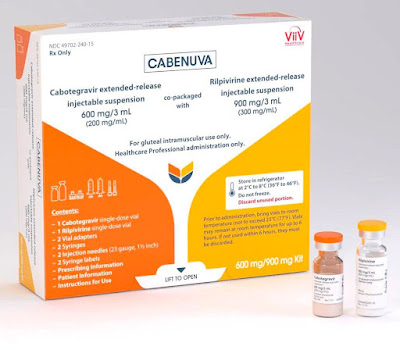
Cabenuva
Photo Source: Pharmalive

Cabenuva is a two-injection regimen of cabotegravir and rilpivirine administered either once a month or once every two months.[7] This month, GSK released data from the LATITUDE (Long-Acting Therapy to Improve Treatment Success in Daily Life) study comparing the efficacy of Cabenuva in contrast with daily pill regimens regarding adherence.[1] The screened participants were verified as having challenges with ART adherence. They were initially given a three-drug oral ART regimen, receiving comprehensive and incentivized adherence support.[1] Once they were virally suppressed, they were randomly selected to receive Cabenuva injections every four weeks or continue with daily pill therapy.[1] The strong evidence of superior efficacy of Cabenuva over daily pill therapy led the Data Safety Monitoring Board (DSMB) for Advancing Clinical Therapeutics Globally for HIV/AIDS and Other Infections (ACTG) to recommend removal of the randomization and offer all participants the option to take Cabenuva.[1]

This new development is an optimistic win in the fight against HIV. Joey Wynn, activist and chair of the ADAP Long-Acting Injectables Patient Advisory Committee, states, “Although definitely not for everyone, this is the next phase of evolution in HIV therapy. Injections allow us to get on with our lives and not be weighed down with the daily burden of taking pills.” 

There are many reasons daily pill therapy adherence is a challenge for some. Psychologically, taking daily pills is a reminder of disease that is too much for some to handle. There are people with developmental challenges who can't keep up a daily regimen. Stigma and privacy are adherence challenges for PLWH in living situations that are not safe or supportive, where the discovery of medication bottles is not ideal or dangerous.[2,3]

Weekly Pill Planner
Photo Source: NIAID

As Riley Johnson, project manager for ADAP Advocacy's Long-Acting Injectables Project, points out, “LAIs can mean consistent medication instead of having meds lost or stolen and having to navigate bureaucratic hoops to pursue replacement.”

While very promising, Cabenuva does have hurdles to its implementation. Presently, there are three main criteria to be eligible for Cabenuva. It is only approved for PLWH who are virally suppressed, have documented absence of resistance to either cabotegravir or rilpivirine, and have no prior antiretroviral treatment failures.[2] Viral suppression requires adherence to oral medication, which is the challenge LAIs were created to remedy. In 2019, the Centers for Disease Control & Prevention (CDC) estimated that only 56.8% of PLWH were virally suppressed or undetectable.[2] This means that less than half of PLWH in the U.S. would qualify for Cabenuva. 

Just as with pill regimens, cost is also a hurdle for widespread adoption. The wholesale acquisition cost of the initial/loading dose is $5,940, and monthly/maintenance injections are $3,960.[5] Insurance companies must approve Cabenuva before patients can begin therapy. This is an access issue for those who do not have medical insurance. It is also an access issue for those with insurance because some insurance companies do not have an official classification of Cabenuva as a pharmaceutical or healthcare benefit. Thus, even though ViiV Healthcare has a payment assistance program for those who have commercial insurance, the lack of clarity of benefit status means ambiguity in which costs will be billed to patients and which to insurance companies.[2]

Studies have shown that multiple social determinants of health affect many patients' ability to maintain adherence regarding pill regimens. The same challenges apply to Cabenuva. Cabenuva must be administered in a healthcare setting by a health professional. Even though the visits would only be monthly or bi-monthly, that still poses a challenge for PLWH who lack reliable and affordable transportation. While pill forms of the medications are available for emergency doses if a patient misses an injection, on-time injections of Cabenuva are imperative to ensure resistance to either of the components does not occur.[2] Shipping doses of emergency medication is not viable for people with unstable housing or living situations where receiving medication is not optimal.

Adherence
Photo Source: HIV.gov

Widespread adoption of Cabenuva also requires providers to adopt changes. Currently, with HIV healthcare, patients on established therapy only see their infectious disease doctors once or twice a year, and the responsibility of pill treatment adherence is on the patient. With Cabenuva injections, the facility's operational flow is disrupted since the injections require more frequent visits. Additionally, responsibility is added to the medical practices by ensuring patients do not miss their injection appointments and following up with them when they do. Moreover, practitioners must be trained in the z-track injection technique required for the intramuscular injection and have proper refrigeration equipment to store the Cabenuva between 2°C and 8°C.[8]

The recent data from the Cabenuva trial is a promising step in the right direction, though not without its challenges. Joey Wynn adds, “Understandably, there are issues of access for those on private insurance, clinic flow issues, and limited distribution shortages, meaning advocates need to demand improved pipeline delivery from the manufacturer so people can get what they need/want/require with less difficulties.” Riley Johnson adds, “no degree of adherence is possible if the medication is not available or accessible.” To ensure the success of the LAI landscape, policy and holistic community support will be required to keep up with the advances of science.

[1] GSK. (2024, February 21). Press release: LATITUDE phase III interim trial data indicates ViiV Healthcare’s long-acting injectable HIV treatment Cabenuva (cabotegravir + rilpivirine) has superior efficacy compared to daily therapy in individuals living with HIV who have adherence challenges. Retrieved from https://www.gsk.com/en-gb/media/press-releases/latitude-phase-iii-interim-trial-data-indicates-cabenuva-has-superior-efficacy-compared-to-daily-therapy/

[2] Pinto, R. M., Hall, E., & Tomlin, R. (2023). Injectable Long-Acting Cabotegravir-Rilpivirine Therapy for People Living With HIV/AIDS: Addressing Implementation Barriers From the Start. The Journal of the Association of Nurses in AIDS Care: JANAC, 34(2), 216–220. https://doi.org/10.1097/JNC.0000000000000386

[3] Simoni, J. M., Tapia, K., Lee, S. J., Graham, S. M., Beima-Sofie, K., Mohamed, Z. H., Christodoulou, J., Ho, R., & Collier, A. C. (2020). A Conjoint Analysis of the Acceptability of Targeted Long-Acting Injectable Antiretroviral Therapy Among Persons Living with HIV in the U.S. AIDS and Behavior, 24(4), 1226–1236. https://doi.org/10.1007/s10461-019-02701-7

[4] Hart, R. (2024, February 21). First long-acting injectable HIV treatment works better than daily pills for some patients, GSK says. Retrieved from https://www.msn.com/en-us/health/other/first-long-acting-injectable-hiv-treatment-works-better-than-daily-pills-for-some-patients-gsk-says/ar-BB1iDCzR?ocid=socialshare

[5] Bernstein, L. (2021, January 22). FDA approves breakthrough injectable HIV medication. Retrieved from FDA approves breakthrough injectable HIV medication

[6] Liu, A. (2024, February 21).GSK’s long-acting HIV med Cabenuva beats daily therapy in patients who've faced adherence hurdles. Retrieved from https://www.fiercepharma.com/pharma/cabenuva-trial-modified-gsks-long-acting-hiv-med-beat-daily-therapy-patients-adherence

[7] VIIV Healthcare. (2024, January). Cabenuva. Retrieved from https://www.cabenuva.com/  

[8] De Vito, A., Botta, A., Berruti, M., Castelli, V., Lai, V., Cassol, C., Lanari, A., Stella, G., Shallvari, A., Bezenchek, A., & Di Biagio, A. (2022). Could Long-Acting Cabotegravir-Rilpivirine Be the Future for All People Living with HIV? Response Based on Genotype Resistance Test from a Multicenter Italian Cohort. Journal of personalized medicine, 12(2), 188. https://doi.org/10.3390/jpm12020188

Disclaimer: Guest blogs do not necessarily reflect the views of the ADAP Advocacy Association, but rather they provide a neutral platform whereby the author serves to promote open, honest discussion about public health-related issues and updates. 

Thursday, July 20, 2023

The State of Long-Acting Injectable Medicaid Coverage

By: Marcus J. Hopkins, ADAP Blog Guest Contributor, and Founder & Executive Director of the Appalachian Learning Initiative (APPLI)

A review of state Medicaid programs has revealed that coverage of recently approved Long-Acting Injectable (LAI) drugs used for the treatment of HIV is mixed, with several key states making access to these drugs difficult for patients. Currently, such products include Cabenuva (cabotegravir; rilpivirine| ViiV Healthcare), Sunlenca (lenacapavir | Gilead Sciences), and Trogarzo (ibalizumab | Theratechnologies).

Cabenuva received full approval from the U.S. Food and Drug Administration (FDA) in 2021 and is used to treat patients who have already proven to be adherent to daily pill regimens and have achieved undetectable viral suppression, meaning that they have fewer than 50 copies of the HIV virus per milliliter of blood. Cabenuva is a series of two injections (200mg cabotegravir; 200mg rilpivirine) administered to patients by a healthcare provider once every month or every other month.

Sunlenca is a salvage therapy—a treatment option utilized in patients who have multi-drug-resistant strains of HIV or who have experienced drug toxicity—that is administered twice a year and used in combination with other antiretroviral drugs.

Trogarzo is also a salvage therapy — a long-acting monoclonal antibody which binds to domain 2 of the CD4 T cell receptors. The drug is approved, in combination with other antiretrovirals, for the treatment of HIV-1 infection in heavily treatment-experienced adults with multidrug resistant (MDR) HIV-1 infection failing their current antiretroviral regimen.

The FDA approval of LAIs presents Persons Living with HIV/AIDS (PLWHA) with one of the most exciting opportunities to ever occur in the HIV treatment landscape: the chance to remain undetectable without having to remember to stop every day to take your HIV medications. Cabenuva is specifically designed for patients who have a proven track record of medication adherence, and the prospect of having to treat your HIV only once every month or every other month is both appealing and revolutionary—a sea change in a treatment landscape that has all too often been beset by horrific, painful, disfiguring, and/or sickening side effects and short medication half-lives that placed patients at risk of developing multi-drug-resistant strains of HIV after missing even a single dose.

LAIs still face several barriers they must overcome before they become the first-line standard of care, including (but not limited to) provider and patient awareness and acceptance of the regimens, payor Prior Authorization limits, and the requirement that the drugs be administered by clinicians rather than by patients, themselves. The latter barrier makes prescribing LAIs in rural and remote areas a difficult proposition, as patients in those regions often face their own barriers to accessing care and treatment, including geographic, transportation, and financial barriers.

The new review of state Medicaid programs in the United States found that 38 states provide coverage for Cabenuva, of which 20 states list it as a Preferred Drug, 7 as a Non-Preferred Drug, and 13 have Prior Authorization requirements restricting access to the drug. 13 states Medicaid Programs—AR, CO, DE, GA, IN, IA, KS, KY, MT, NE, SC, TN, WI—offer either no coverage or list the drug as non-formulary (Figure 1).

Figure 1 – State Medicaid Preferred Drug List Coverage of Cabenuva, July 2023

State Medicaid Preferred Drug List Coverage of Cabenuva, July 2023

State Medicaid program coverage of Sunlenca is less robust, which is to be expected given that the drug only received FDA approval in January 2023. 30 states currently offer coverage for Sunlenca, of which 23 states list the drug as a Preferred Drug, 7 as a Non-Preferred Drug. 21 states offer either no coverage or list the drug as Non-Formulary (Figure 2).

Figure 2 – State Medicaid Preferred Drug List Coverage of Sunlenca, July 2023

State Medicaid Preferred Drug List Coverage of Sunlenca, July 2023

State Medicaid program coverage of Trogarzo is even less robust. 30 states currently offer coverage for Trogarzo, of which 22 states list the drug as a Preferred Drug and 8 as a Non-Preferred Drug. 21 states offer either no coverage or list the drug as Non-Formulary (Figure 3).

Figure 3 – State Medicaid Preferred Drug List Coverage of Trogarzo, July 2023

State Medicaid Preferred Drug List Coverage of Trogarzo, July 2023

Several states have restrictions against prescribing Cabenuva as a treatment regimen, including Delaware, which requires failure with two Preferred Agents before Prior Authorization requests will be approved, and Wisconsin, in which both Cabenuva and Sunlenca are considered “Non-Formulary” (Table 1).

This review of Medicaid PDL coverage was initiated after receiving a report from Positive Health Clinic in Morgantown, WV, that West Virginia’s state Medicaid program was denying virtually all prescriptions for Cabenuva. A Patient Care Navigator reported that West Virginia’s Medicaid program has essentially classified the drug as a salvage therapy through its Prior Authorization requirements.

To date, Positive Health Clinic has had all new prescriptions denied by the state’s Medical Director, even after multiple appeals and conversations with state Medicaid officials. Those appeals included copies of the FDA approval and treatment indication, highlighting that the state has misclassified the drug.

The one exception has been an approval as a result of medication continuation. A patient who moved to West Virginia from Pennsylvania and was already prescribed the regimen. In order to get their prescription approved, Positive Health Clinic had to submit multiple forms of proof that the patient was fit to continue therapy, including:

  1. An active prescription for the drug
  2. Evidence that the patient was 100% compliant with receiving each dose
  3. Proof that the patient would continue to remain compliant.

We reviewed West Virginia’s state Medicaid PDL and Cabenuva Prior Authorization form in order to confirm this report and found the following guidance:

Cabenuva requires review by the Medical Director and is available only on appeal. Medical reasoning beyond convenience or enhanced compliance over preferred agents must be provided.

This approval guidance exists in direct opposition to the FDA’s approval and treatment indication guidance:

CABENUVA, a 2-drug co-packaged product of cabotegravir, a human immunodeficiency virus type-1 (HIV-1) integrase strand transfer inhibitor (INSTI), and rilpivirine, an HIV-1 non-nucleoside reverse transcriptase inhibitor (NNRTI), is indicated as a complete regimen for the treatment of HIV-1 infection in adults to replace the current antiretroviral regimen in those who are virologically suppressed (HIV-1 RNA less than 50 copies per mL) on a stable antiretroviral regimen with no history of treatment failure and with no known or suspected resistance to either cabotegravir or rilpivirine.

While Prior Authorization requirements for new (and often expensive) therapeutic drugs are not uncommon, the West Virginia Medicaid program’s blanket preemptive denial of a highly effective and proven HIV therapy appears to be an attempt to staunch what they believe will be an influx of prescriptions for an expensive drug. This approach is likely a response to increased efforts on the part of HIV and Harm Reduction advocates to utilize Cabenuva as the go-to therapy in West Virginia’s hard-to-reach, hard-to-treat patient populations.

Since 2018, West Virginia has endured two concurrent, unrelated (according to molecular surveillance), and unabated HIV outbreaks in Cabell and Kanawha Counties. These outbreaks, for which the state has received very limited funds from federal agencies to combat, have occurred primarily in populations of Persons Who Inject Drugs (PWIDs)—populations that are notoriously difficult to reach, treat, and retain in care.

Prior to 2018, West Virginia saw an annual average of just 67 new HIV diagnoses. Beginning in 2018, the state began seeing significant increases in new diagnoses, more than half of which were directly related to Injection Drug Use. This outbreak of new diagnoses among PWIDs was further exacerbated by the state’s increasing hostility toward comprehensive harm reduction measures, specifically Syringe Services Programs (SSPs). Even in 2020, when COVID-19-related shutdowns led to a 2/3 reduction in the number of HIV tests administered in the state of West Virginia, the state identified 135 new HIV infections, of which 108 (80%) were directly related to IDU.

Since 2020, the state has struggled significantly with increasing provider buy-in for proactive HIV testing, leaving the bulk of HIV testing to be done in hospital emergency rooms during overdose events (using an opt-out delivery method that requires informed denial of testing) and by a mere handful of non-profit agencies and the state’s overworked, but extremely dedicated, Director of HIV Care and Prevention. This Director is one of the very few in the United States who regularly goes into communities to conduct testing events. His efforts are, however, hampered by inadequate levels of state and federal funding and increased scrutiny from a state legislature that continues to grow more hostile to HIV testing and prevention efforts.

According to the most recent report, West Virginia identified 140 new cases of HIV in 2022, of which 98 (70%) were directly attributed to IDU. 2023 is likely to be an equally devastating year, with 25 of the 48 cases identified to date (52.1%) being directly related to IDU.

The thinking behind utilizing LAIs as the first-line treatment option in PWIDs is that it has the potential to increase treatment adherence in a population that often faces numerous barriers to care and treatment, including a potential lack of stable housing, a lack of safe places to store daily HIV regimens, a potential inability to remain consistent with treatment regimens.

Prior Authorization requirements for drugs that treat infectious diseases already create arguably unnecessary barriers to treatment for patients. West Virginia’s blanket refusal to cover an FDA-approved and highly effective HIV treatment regimen for patients who are already adherent and virally suppressed serves as an unacceptable and unconscionable barrier to care in a state that is in desperate need of more convenient treatment options.

While Cabenuva, Sunlenca, and Trogarzo are still relatively new drugs, state Medicaid programs should be jumping at the opportunity to decrease treatment abandonment rates and increase easy treatment options for qualifying patients. We hope that more programs will abandon unnecessary restrictions upon this vital tool in the HIV treatment toolkit.

Disclaimer: Guest blogs do not necessarily reflect the views of the ADAP Advocacy Association, but rather they provide a neutral platform whereby the author serves to promote open, honest discussion about public health-related issues and updates.  

Thursday, June 9, 2022

Ramifications of Pharmaceutical Supply Chain Challenges

By: Ranier Simons, ADAP Blog Guest Contributor

The COVID-19 pandemic has globally brought awareness to many aspects of daily life that previously remained in the shadows, discussed only by select groups of people in siloed industries and centers of knowledge. A spotlight has been shone on food insecurity, lack of infrastructure to effectively manage global public health crises, inequalities regarding social determinants of health, and supply chain issues affecting everything from housing building materials to Starbucks menu ingredients. One serious supply chain pain point is the pharmaceutical supply chain. Drug supply chain issues are more than just an inconvenience, and they can lead to grave harm or death.

The Drug Supply Chain
Photo Source: theworldcreate.net

Drug supply chain issues come in many forms: production limits, storage, and distribution problems, reduced shipping capacity, and even transportation problems.[1] These problems lead to drug price inflation, the proliferation of counterfeit drugs, the dissemination of contaminated or poorly manufactured drugs, and even extreme shortages, leaving people without needed pharmaceuticals.

Zebra Technologies Corporation conducted a study called the Pharmaceutical Supply Chain Vision, releasing the results on February 8, 2022. The company specializes in technological solutions to workflow concerns. Zebra surveyed over 3,500 patients and pharmaceutical executives to gauge perceptions of the drug supply chain in terms of its resilience, responsibility, and trust and examine ways to improve visibility and transparency.[1] 

The most important issue identified by patients regarding drug supply chain issues is the quality of the pharmaceuticals. Ninety percent desired a guarantee that their medications were not counterfeit, were stored at correct temperatures, and had not been tampered with.[1] Eighty percent of the patients desired to know the country of origin of their medications and the manufacturing standards of those countries.[1] Other significant concerns were drug affordability and shortages. Many reported that their needed medications were often out of stock, and 69% said they feared taking the improper dosage due to misleading or incorrect label information.[1] Seventy percent reported changing medications, pharmacies, or healthcare providers due to drug supply chain issues.[1]

It is of the utmost importance to keep medications safe throughout the supply chain. Patients, healthcare professionals, and pharmaceutical executives agree that transparency and traceability in the drug supply chain are potent solutions to many present problems. Technology can be leveraged to provide tracking of medication shipments, pharmaceutical production workflow from raw material to final product, and even improvements in the ways drugs are produced. 

The only way to improve the status quo is a group concerted effort to report and gather the data. This sort of data needs to be in publicly accessible databases. These databases would bolster consumer confidence as well as enforce accountability for those along the supply chain. The National Academies of Sciences, Engineering, and Medicine (NASEM) recommends that “the FDA make sourcing, quality, volume, and capacity information publicly available for all medical products approved or cleared for sale in the U.S.”[2] 

This sort of information would make it possible to monitor weaknesses in the supply chain and address them. It would also enable predictions of shortages. Moreover, just like credit bureaus, third-party companies could use the data to create rating systems. Rating systems would enable healthcare systems and other large purchasers to make informed decisions to purchase the best possible medications for their populations. This would also create competition among manufacturers giving the incentive to create the best environment for producing and transporting high-quality medicines to patients.[2] There are legal regulatory hurdles to be overcome for such a public repository of information, but it is a very practical solution.

Drug Supply Chain flow chart
Photo Source: Association for Accessible Medicines

During the pandemic, people living with HIV have been especially concerned about drug shortages for their life-saving antiretroviral medications. In 2020, the ADAP Advocacy Association took action to address those concerns. It contacted antiretroviral drug manufacturers directly to inquire about what steps they were taking to secure the supply.[3] 

The ADAP Advocacy Association contacted AbbVie, Jansen Pharmaceuticals, Gilead Sciences, Merck, Theratechnologies, and ViiV Healthcare, all manufacturers of HIV antiretrovirals. Discussions with the companies resulted in the optimistic projection of no foreseen disruption in their drug supply chain. Brandon M. Macsata, CEO of the ADAP Advocacy Association, stated that “their combined assurances provided significant peace of mind for the people living with HIV/AIDS who we represent, and who rely on these life-saving medications.” 

Continuing to innovate to improve the drug supply chain is not just good for manufacturers' bottom line. It also means improved quality of life and lowered mortality for the global population.

[1] Beusekom, M. (2022, February 24) Patients, pharma execs express low trust in drug supply chains. Retrieved from https://www.cidrap.umn.edu/news-perspective/2022/02/patients-pharma-execs-express-low-trust-drug-supply-chains
[2] Frieden, J. (2022, March 4). How can the U.S. preserve its medical supply chain? Retrieved from https://www.medpagetoday.com/publichealthpolicy/healthpolicy/97524
[3] 
Macsata, B. (2020, April 24). Nation's HIV drug supply secure despite coronavirus pandemic. Retrieved from https://adapadvocacyassociation.blogspot.com/2020/03/nations-hiv-drug-supply-secure-despite.html

Disclaimer: Guest blogs do not necessarily reflect the views of the ADAP Advocacy Association, but rather they provide a neutral platform whereby the author serves to promote open, honest discussion about public health-related issues and updates.  

Thursday, February 17, 2022

FDA Extends Cabenuva Approval to Every Two Months

By: Ranier Simons, ADAP Blog Guest Contributor

The primary weapons in the fight against HIV are anti-retroviral drugs, commonly referred to as ARVs. ARVs work by lowering the levels of HIV, known as viral load, in the body to stop HIV’s damage to the immune system. Viral load is measured by the number of copies of HIV RNA in a milliliter of blood.[1] The goal of ARV’s is to decrease the viral load to the point that standard tests cannot detect it. This level of viral suppression is commonly known as ‘undetectable’, and with it comes the important  'undetectable equals untransmissible' (#UequalsU) treatment goal.[2] Moreover, viral suppression means a significant reduction in the damage HIV can do to the body. This fight recently gained a new weapon, with two-month dosing of the injectable HIV therapy, Cabenuva.

Effective treatment means maintaining the levels of the medications in the body. This requires adherence to daily dosing. Not keeping the drugs at appropriate levels in the blood can increase viral load, damage immune cells such as CD4’s, and even drug resistance.[3] Drug resistance means that mutations of HIV could develop that are not responsive to a person's treatment regimen rendering that regimen ineffective and making it harder to find other medications that will work. 

Hands holding pills
Photo Source: Very Well Health

Early in the fight against HIV, drug regimens consisted of multiple pills several times a day. Toxicity issues, as well as issues keeping dosage schedules, were significant barriers to treatment. Modern-day once-daily one pill regimens were developed to combat both of those issues. However, some patients still experience difficulties with adherence. The most reported adherence challenges are forgetfulness, stigma, health perception, and digestive side effects.[4]

Some patients report having issues remembering to take their medication daily, especially those who have been on long-term therapy. Stigma is a concern by those who do not want family members to know they are living with HIV or to see them take medications. They do not want coworkers to know they are on medication and are psychologically harmed by the daily reminder of their health status. Health perception is an issue for long-term ARV patients because they feel healthy; thus, they become inconsistent with their dosing. Some patients also are inconsistent with their regimens due to perceived and experienced side-effects they experience from the drugs.

The evolution of ARV drug development has led to recent innovations to battle adherence issues. In January 2021, the U.S. Food & Drug Administration (FDA) approved a once-a-month injectable HIV treatment called Cabenuva. It is an extended-release injectable of cabotegravir and rilpivirine. The drug is a collaboration between Janssen Pharmaceuticals of Johnson & Johnson and ViiV Healthcare. Cabenuva is two separate injections into the buttock muscles, with the extended-release rilpivirine having been developed by Janssen and the extended-release cabotegravir from ViiV Healthcare.[5]

Cabenuva
Photo Source: The New York Times

Cabenuva is meant for those who are virologically suppressed on a stable regimen and who have no history of treatment failure or known resistance to cabotegravir or rilpivirine. Proper administration requires one month of daily administration of rilpivirine and cabotegravir in pill form to assess tolerance before beginning the monthly injections of Cabenuva. 

Continued research into daily Cabenuva proved that it is effective. Its efficacy has proven to be so positive that on February 1, 2022, the FDA approved it for two-month injectable treatment. Therefore, some patients can be treated with only six sets of injections annually instead of twelve. The extended label approval of Cabenuva from one to two months is based on the ATLAS-2M phase IIIb trial results. An ongoing clinical trial shows that in terms of virologic suppression, every two-month dosing is not inferior to monthly dosing. ATLAS-2M is being conducted in Australia, Argentina, Canada, France, Germany, Italy, Mexico, Russia, South Africa, South Korea, Spain, Sweden, and the United States.[6]

The most common adverse reactions were fever, injection site reactions, fatigue, headache, musculoskeletal pain, nausea, sleep disorders, dizziness, and rash. The type and frequency of experienced adverse reactions were similar in those receiving the injection monthly or every two months. Additionally, the rates of serious adverse events or withdrawal due to adverse events were similar between the two groups.

This new FDA approval has the potential to be life-changing for those where Cabenuva treatment is appropriate. For further information on ATLAS-2M, please see https://clinicaltrials.gov/ct2/show/NCT03299049.

[1] Peabody, R. (2017, May). Viral load. Retrieved from https://www.aidsmap.com/about-hiv/viral-load#:~:text=The%20results%20of%20a%20viral,100%2C000%20would%20be%20considered%20high
[2] NIH. (2020, June 12). 10 Things to know about HIV suppression. Retrieved from https://www.niaid.nih.gov/diseases-conditions/10-things-know-about-hiv-suppression#:~:text=Daily%20antiretroviral%20therapy%20can%20reduce,to%20keep%20the%20virus%20suppressed
[3] Peabody, R. (2019, July). Adherence to HIV treatment. Retrieved from https://www.aidsmap.com/about-hiv/adherence-hiv-treatment
[4] Genberg, B. L., Lee, Y., Rogers, W. H., & Wilson, I. B. (2015). Four types of barriers to adherence of antiretroviral therapy are associated with decreased adherence over time. AIDS and behavior, 19(1), 85–92. https://doi.org/10.1007/s10461-014-0775-2
[5] Janssen Pharmaceuticals. (2022, February 1). U.S. FDA approves CABENUVA (rilpivirine and cabotegravir) for use every two months, expanding the label of the first and only long-acting HIV treatment. Retrieved from https://www.janssen.com/us/sites/www_janssen_com_usa/files/us_fda_approves_cabenuva_rilpivirine_and_cabotegravir_for_use_every_two_months_expanding_the_label_of_the_first_and_only_long_acting_hiv_treatment.pdf
[6] ViiV Healthcare. (2022, February 1). ViiV Healthcare announces us FDA approval of Cabenuva (cabotegravir, rilpivirine) for use every two months, expanding the label of the first and only complete long-acting hiv treatment. Retrieved from https://viivhealthcare.com/en-us/media-center/news/press-releases/2022/january/viiv-healthcare-announces-us-fda-approval-of-cabenuva/

Disclaimer: Guest blogs do not necessarily reflect the views of the ADAP Advocacy Association, but rather they provide a neutral platform whereby the author serves to promote open, honest discussion about public health-related issues and updates.

Thursday, April 8, 2021

Cabenuva is a Shot 💉 of Hope for People Living with HIV/AIDS

By: Brandon M. Macsata, CEO, ADAP Advocacy Association

On January 21, 2021, a shot of hope was provided by the U.S. Food & Drug Administration (FDA) in the forty-year fight against HIV/AIDS with the agency's approval of the first extended-release, injectable drug regimen. Administered once a month, Cabenuva (cabotegravir and rilpivirine, injectable formulation) further progressed the HIV treatment evolution – which once included people living with HIV/AIDS (PLWHA) taking up to a dozen pills...down to three pills...then two pills...and eventually leading to the single-tablet regimen. Ask anyone living with AIDS Survivor Syndrome (A.S.S.), it is a development of particular importance because there was a time when the words 'hope' and 'HIV' weren't necessarily used in the same sentence.

The foundations for the advances in HIV treatment regimens, such as Cabenuva, are linked to the transformative work behind the creation of the AIDS Drug Assistance Program (ADAP) and its eventual federal funding thanks to the National ADAP Working Group (NAWG). Created in the 1990s, when advocates were mistrustful of the pharmaceutical industry and critical of the government’s slow response to the epidemic. Likewise, the industry was skeptical of some of the advocacy community’s brass-knuckles tactics, however necessary they were at the time. But ADAP's existence helped to change that paradigm.[1] 

More recently, Operation Warp Speed and the search for vaccines against Covid-19 have demonstrated what pharmaceutical innovation can achieve. It also caused many PLWHAs to reflect, What the Global Covid-19 Vaccine Means to HIV? Nonetheless, Cabenuva offers us some hope on the treatment front!

The FDA announcement included a statement by John Farley, M.D., M.P.H., director of the Office of Infectious Diseases in the FDA’s Center for Drug Evaluation and Research, which read: “Currently, the standard of care for patients with HIV includes patients taking daily pills to adequately manage their condition. This approval will allow some patients the option of receiving once-monthly injections in lieu of a daily oral treatment regimen. Having this treatment available for some patients provides an alternative for managing this chronic condition.”

Rendering-of-the-packaging-and-vials-containing-its-new-HIV-treatment-Cabenuva_ViiV-Healthcare-AP
Photo Source: Associated Press

Cabenuva was developed in partnership by ViiV Healthcare and Janssen Pharmaceutical Companies, and it offers a way to maintain viral suppression with only 12 treatments a year. As a complete regimen for the treatment of human immunodeficiency virus type 1 (HIV-1) infection in adults, Cabenuva replaces a current antiretroviral regimen in those who are virologically suppressed on a stable antiretroviral regimen with no history of treatment failure and with no known or suspected resistance to either cabotegravir or rilpivirine.[2] 

Lynn Baxter, Head of North America, ViiV Healthcare, said in the ViiV Healthcare statement: "Today’s FDA approval of Cabenuva represents a shift in the way HIV is treated, offering people living with HIV a completely new approach to care. Cabenuva reduces the treatment dosing days from 365 days to 12 days per year. At ViiV Healthcare, we are dedicated to ensuring no one living with HIV is left behind, and adding this first-of-its-kind regimen to our industry-leading portfolio of innovative medicines reinforces our mission."[3]

As Paul Stoffels, M.D., Vice Chairman of the Executive Committee and Chief Scientific Officer of Johnson & Johnson, says in Janssen's announcement, "While much more remains to be done to make HIV history, today's milestone reminds us how far medical innovation has come since the first reported cases of the virus almost 40 years ago."[4]

The Body's David Malebranche, M.D., M.P.H. penned, Cabenuva for HIV Treatment: Everything You Need to Know, which is an excellent resource for patients interested in learning more about the new injectable therapy. Dr. Malebranche tackles general information about the new drug, how to take it, potential side effects and drug interactions, as well as the costs.[5] A must read! 

For Warren Alexander O'Meara-Dates, diagnosed with HIV in November 2009, it was an easy decision to switch once he learned that his health insurance carrier would cover the new treatment. O'Meara-Dates summarized, "On April 6th, I had my first injection and now, I no longer have to manage taking oral medication everyday with my busy lifestyle. I'm humble and grateful that I've progressed to a point where this was an option and encourage anyone who meet the criteria to strongly consider it."

In the early years of the HIV epidemic, treatment advances were often hampered by some significant challenges faced by people taking the medicines. Aside from the stigma – which was very real for people forced with lugging around countless pill bottless – there were other issues. Some medicines required food, while others needed to be taken on an empty stomach. Morning versus night management. Navigating the potential drug interactions was a difficult task. And the side effects were numerous, and often severe.

HIV Long-Term Survivors Awareness Day
Photo Source: HLTSAD.org

Some long-term survivors have already hailed the single-tablet regimen, and now they expressed similar enthusiasm for Cabenuva for HIV treatment. Joey Wynn, a former board member of the ADAP Advocacy Association who has been living with HIV for 34 years, contends not since the advent of the protease inhibitor class have we seen such a watershed moment in the history and evolution of HIV therapy. 

"Having a continuous therapeutic level of medication over a very long period (weeks or months, not days) guarantees a better chance at remaining undetectable," Wynn said. "This impacts us as people with HIV, as well as helping our community viral load remain as low as possible as well. This will greatly reduce the rate of spread, helping us to end the epidemic in our lifetimes!"

With Cabenuva's introduction into the HIV therapy options, Wynn has so much hope for the future, for the HIV community, and for himself. 

But personal circumstances do play a role in how the news has been received by the community. According to Tez Anderson, founder of Let's Kick ASS—AIDS Survivor Syndrome, injectables are great if they help people stay in HIV care and treatment, but they are largely irrelevant for long-term survivors on salvage therapy. 

"Personally, I’m good with taking pills because they simply are routine and I never miss any doses," argued Anderson. "Despite injectable medications on the market to treat multi-drug resistant HIV-infection, such as Trogarzo, I’ve shied away from taking it. Frankly, I treat my pills like my friends and they do not take up as much time as having to go get shots." 

Anderson acknowledges injectables do provide a valuable tool in the HIV treatment toolbox, whether Cabenuva for those people virally suppressed or Trogarzo for those people multi-drug resistant.

According to Theratechnologies, "Up to 25,000 Americans with HIV are currently multidrug resistant, of which 12,000 are in urgent need of a new treatment option because their current treatment regimen is failing them and their viral load has risen to detectable levels, jeopardizing their health and making HIV transmittable."[6]

In the end, it boils down to treatment adherence. Sticking firmly to an HIV medication regiment is probably the single most important thing PLWHAs can do to help themselves remain healthy with an undetectable viral load. 

"Generally speaking about all health-related conditions, non-adherence results in additional healthcare costs, more hospital admissions, and approximately 125,000 deaths annually," said Glen Pietrandoni, Vice-President of Industry Relations for Avita Pharmacy. "Cost is often identified as the biggest barrier to better medication adherence, but other barriers certainly exist. Replacing daily oral HIV medication with twelve treatments over the course of the year cannot be overlooked as a way to improve adherence." 

The face of the HIV epidemic has changed over the last four decades, and with it so has treatment. One dozen pills taken daily has steadily been replaced with the groundbreaking injectable treatment, done monthly. New treatment options, such as Cabenuva, are offering hope. A new day has dawned in the fight to end the HIV epidemic, truly.

Disclaimer: Guest blogs do not necessarily reflect the views of the ADAP Advocacy Association, but rather they provide a neutral platform whereby the author serves to promote open, honest discussion about public health-related issues and updates.

[1] Jeffrey R. Lewis (2020, February 6). The Lion of Modern-Day HIV/AIDS Advocacy. The ADAP Blog. Retrieved online at https://adapadvocacyassociation.blogspot.com/2020/02/the-lion-of-modern-day-hivaids-advocacy.html.

[2] U.S. Food & Drug Administration (2021, January 21). FDA Approves First Extended-Release, Injectable Drug Regimen for Adults Living with HIV. United States Department of Health & Human Services. Retrieved online at https://www.fda.gov/news-events/press-announcements/fda-approves-first-extended-release-injectable-drug-regimen-adults-living-hiv.

[3] ViiV Healthcare (2021, January 21). ViiV Healthcare announces FDA approval of Cabenuva (cabotegravir, rilpivirine), the first and only complete long-acting regimen for HIV treatment. Retrieved online at https://viivhealthcare.com/en-us/us-news/us-articles/2021/viiv-healthcare-announces-fda-approval-of-cabenuva--cabotegravir/. 

[4] Janssen United States (2021, January 21). Janssen Announces U.S. FDA Approval of CABENUVA (rilpivirine and cabotegravir), the First Long-Acting Regimen for the Treatment of HIV. Johnson & Johnson. Retrieved online at https://www.jnj.com/:~:text=Janssen%20Announces%20U.S.%20FDA%20Approval%20of%20CABENUVA%20(rilpivirine,new%20once-monthly%20injectable%20option%20for%20maintaining%20viral%20suppression.

[5] David Malebranche, M.D., M.P.H. (2021, February 22). Cabenuva for HIV Treatment: Everything You Need to Know. The Body. Retrieved online at https://www.thebody.com/health/hiv-cabenuva?ic=700100.

[6] Theratechnologies (2018, March 6). Theratechnologies Announces FDA Approval of Breakthrough Therapy, Trogarzo™ (ibalizumab-uiyk) Injection, the First HIV-1 Inhibitor and Long-Acting Monoclonal Antibody for Multidrug Resistant HIV-1. Cision News Wire. Retrieved online at https://www.prnewswire.com/news-releases/theratechnologies-announces-fda-approval-of-breakthrough-therapy-trogarzo-ibalizumab-uiyk-injection-the-first-hiv-1-inhibitor-and-long-acting-monoclonal-antibody-for-multidrug-resistant-hiv-1-300609280.html.