Thursday, August 29, 2019

Helping Young Adults Living With HIV To Transition To Adult Care

By: Marcus J. Hopkins, Policy Consultant

Nearly forty years after the start of the HIV/AIDS epidemic, new and better treatment options have led to a number of changes in the how specific patient populations are managed. Over the past decade, increasing attention has been paid to the growing number of aging patients living with HIV – a prospect once thought unfathomable. Another patient population is also increasing – people born or infected with HIV as children who are becoming adults.

According to the most recent estimates, roughly 39,000 youths aged 13-24 were living with HIV in the U.S. in 2016, with approximately 9,000 new infections occurring in this age group in 2014. 80% of those youth were Men who have Sex with Men (MSM) – 55% Black, 23% Latino, and 16% White. These youths are more likely to have complex anti-retroviral therapy ("ART") regimens with underlying multidrug resistances and may face greater obstacles to achieving functional autonomy (Liggett, 2016).

This patient population may face more obstacles to obtaining and achieving adult care and treatment than adults who contract HIV later in life in no small part because those who contract the virus later in life may be better established as functionally autonomous adults. They are likelier to be living on their own and managing to support themselves when they become infected, whereas youths who are transitioning to adulthood, in addition to securing and maintaining HIV treatment and healthcare services, are going to be facing the additional hurdles that come with becoming an adult: becoming independent, finding employment, finding housing, living on their own. These transitions are difficult for all young adults; adding in the additional stress of living with a chronic illness such as HIV can easily hamper this transition.

Doctor with patient
Photo Source: Huffington Post

Depending upon their state of residence, young patients living with HIV may be engaged in care with pediatric or adolescent HIV/AIDS care providers. Over the course of their care, they may have formed close bonds with their providers, which can make transitioning over to adult care and self-sufficiency more difficult. Additionally, these patients may also have mental health problems or cognitive impairment, which can make adhering to medical care difficult (Tassiopoulos et al, 2019).

In order to ease the transition from pediatric/adolescent care into adult care while maintaining medication adherence and viral suppression, additional efforts should be provided to help these youths develop social connections and support networks outside of clinical settings, as well helping them develop skills to improve self-management of care.

The first part can be accomplished by introducing and/or linking young patients to local or online support groups and networks for youths living with HIV/AIDS. While the scientific evidence that these groups produce concrete positive results for patients is still developing, early reports indicate that patients who engage with and in in-person or online support groups may develop better social connections, have more positive feelings about their treatment and/or care, better engage in the continuum of care, be more adherent to medication regimens, and achieve and/or maintain viral suppression better than patients who do so without a firm support network in place.

The second part – developing skills to improve self-management – can be more difficult to fulfill, and in the inclusion of pediatric social workers may be beneficial in aiding this transition to adult care:

"When adult medical staff questioned patients about their unsuccessful transition, eight reasons were provided compared with 13 reasons when asked by a pediatric social worker: work (12%); transportation (11%); relocation, which resulted in exclusion from the study (9%); no phone access (9%); difficulty dealing with diagnosis (9%); no reported problems (9%); lost insurance (3%); mental health (3%); incarceration (3%); went to a drug treatment facility (3%); family issues (3%); and domestic violence (3%) (Bortz, 2018)."

Many of these issues are directly related to the patients’ ability to become self-sufficient and maintain self-sufficiency, a task difficult enough for every adolescent transitioning into adulthood, but made more complicated by the added pressure of managing HIV/AIDS. Social workers can help these young patients by linking them to social programs (if available) that can help them to receive assistance for phone service, transportation assistance, mental health services, domestic violence issues, and insurance coverage. There may also exist, in some communities, classes and programs that can help people learn to better manage their time, resources, and finances, which can help lead to better self-management of their HIV.

The Ryan White HIV/AIDS Program (RWHAP) served 23,540 youth and young adults aged 13-24, representing 4.4% of the total RWHAP client base (Health Resources and Services Administration (HRSA), 2019). Of these, roughly 780 have unstable housing conditions and 4,602 have no health care coverage (HRSA).

In my own visits to my HIV clinic, my Ryan White Case Manager always asks me if all my needs are being met, if my housing is secure, if I’m having trouble paying bills, or if I need assistance purchasing food. These resources are available through the various parts of the Ryan White Care Act (depending upon the patient’s location). Utilization of these services can help patients with their transition into adult care.

Because this population is relatively new (meaning, higher numbers within the past decade or so), it’s going to be as difficult to transition these patients into the appropriate care settings as it will be to help aging people living with HIV/AIDS to continue managing their disease as they encounter more geriatric conditions.  The Ryan White Program and ADAP, specifically, can serve a vital role in ensuring that these patients continue to have access to the medications and treatment they need to remain healthy at any stage of life.

References:


Disclaimer: Guest blogs do not necessarily reflect the views of the ADAP Advocacy Association, but rather they provide a neutral platform whereby the author serves to promote open, honest discussion about public health-related issues and updates.

Thursday, August 22, 2019

Reflections from an HIV Advocate's Journey: Larry Frampton

By: Larry Frampton, Retired

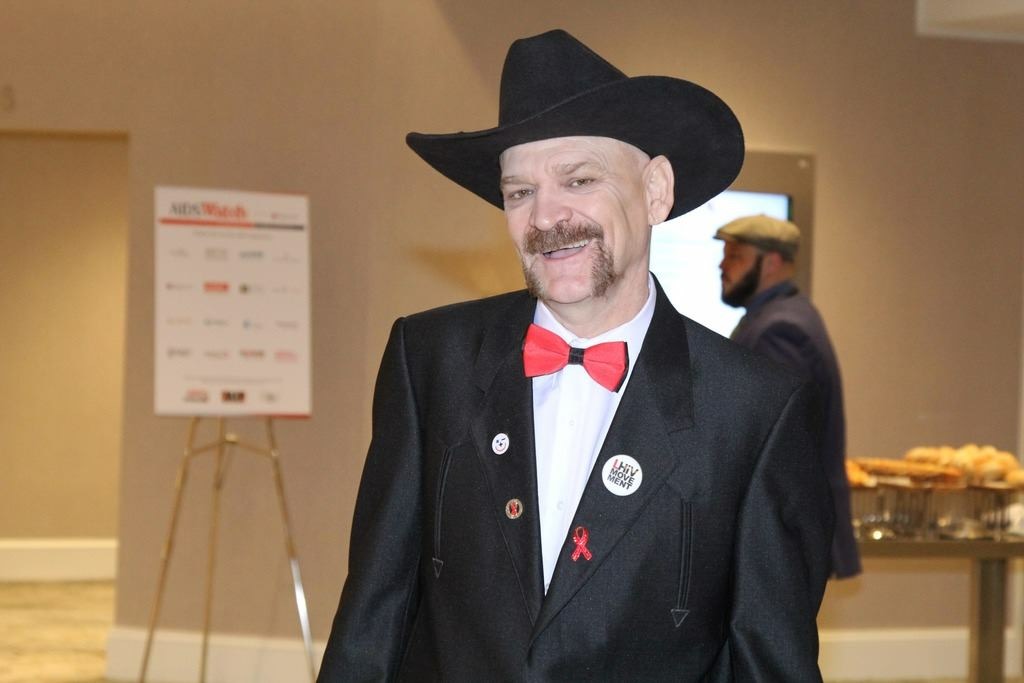
My journey as an HIV Advocate started in 1989 when my partner got sick and he received an AIDS diagnosis, and I followed with an HIV diagnosis. I quickly learned how bad HIV stigma was as I had to fight the hospital to get him proper care and his family who abandoned him from fear of getting HIV. In his final days he made me promise to do all I could to help others living with HIV. He died in my arms and this was the hardest thing I ever had to face and I was not sure how long I would live.

After this ordeal, I moved to Portland, Oregon where I got on AZT thanks to the AIDS Drug Assistance Program - which was started in 1987 to help people get access to the medications. I got involved with the HIV community, and worked on "death with dignity" issues as we were all watching friends die daily and wanted to control the way we died instead of the slow painful death we watched friends and loved ones go through. I also did home hospice work and held many friend’s hands and made lots of promises to continue to fight as they died.

Larry Frampton

I found my niche in HIV public policy early on and worked on physician assisted suicide, and helping to get the Ryan White Care Act passed in 1990 - which included continued funding for ADAP’s. During that time, I found myself getting arrested for protesting a few times...including once naked.

In the mid-nineties, I lost a second partner to the virus right before the Protease Inhibitors, a powerful class of HIV drugs came out and literally brought some people back from death’s doorstep. Meds were getting better and people were not dying as fast and many long-term survivors like myself had to then deal mentally with all the death in our lives. I was even diagnosed with PTSD. Advocacy had to be steered at that point to getting people mental health care and help applying for disability.

As the years passed, I was being recruited to speak at HIV Conferences (including the ADAP Advocacy Association's Annual AIDS Drug Assistance Program Conference, as seen in the photo) and Chair Planning Councils and my advocacy had changed from taking on Federal issues to dealing with State Policy Issues. The biggest one is HIV Criminalization laws that were created in the 80’s and early 90’s. States are slowly changing these laws and I took a crack at changing Tennessee’s laws but the political landscape of the state was too much to pass it. I was able to work with other groups to pass a law to help people with HIV prosecuted under the aggravated prostitution law removed the sex offender list. I also assisted with legalizing syringe service programs in Tennessee.

Larry Frampton

Finally, we still need to fight to keep ADAP’s strong. I recently found myself needing ADAP when I retired and was transitioning into retirement and Medicare. Sometimes people fall into the gaps and that is why we need to keep ADAP’s strong.


Disclaimer: Guest blogs do not necessarily reflect the views of the ADAP Advocacy Association, but rather they provide a neutral platform whereby the author serves to promote open, honest discussion about public health-related issues and updates.

Thursday, August 15, 2019

Trump HHS Proposes Eliminating Most Non-Discrimination Protections of Section 1557

By: Jen Laws, Board Member, ADAP Advocacy Association, and HIV/transgender health advocate

On June 14th, 2019, the Trump administration issued a near complete regulatory overhaul of the Patient Protection and Affordable Care Act’s (ACA) non-discrimination provisions known as Section 1557. The issued proposed rule began a 60-day public comment period, ending on August 13th, 2019.

Affordable Care Act
Photo Source: thompsoncoburn.com

The public may submit comment using the following link to the Federal eRulemaking Portal: https://www.regulations.gov/comment?D=HHS-OCR-2019-0007-0001.

Or by regular, overnight, express mail, hand delivery or courier to the following address:

U.S. Department of Health and Human Services
Office for Civil Rights
Attn: Section 1557 NPRM, RIN 0945-AA
Hubert H. Humphrey Building, Room 509F
200 Independence Ave. SW
Washington, DC 20201

For a background, please visit our previous blogpost here (Laws, 2018): https://adapadvocacyassociation.blogspot.com/search?q=1557.

Stating the Trump Administration’s proposed changes to Section 1557 are a revision would be misleading. A lie actually. The proposed rule seeks to so drastically change the regulatory interpretation and applicable federal agency guidance so much, that one can only adequately describe the changes as eliminating any meaningful sense of protection offered by the Obama Administration’s interpretation.

The case made by the U.S. Department of Health & Human Services ("HHS") for these changes is embarrassingly weak. Relying near exclusively on the Trump Administration’s own refusal to defend the regulation in Franciscan Alliance, Inc. et al v. Burwell, which resulted in an unchallenged injunction issued by Judge Reed O’Connor of the U.S. District Court for the Northern District of Texas and a second ruling from a federal district in North Dakota - which relied on the Franciscan Alliance decision. By taking an intentionally flawed approach, the listed changes would have a wide impact, including eliminating protections affecting transgender people, women, reproductive care in general, people living with HIV, people with disabilities, people who speak and read any language other than English as a primary language, and more. The move builds upon the Trump Administration’s efforts to not only reshape the judicial landscape in a politically motivated fashion but to do so with precise aims, including eliminating the ACA entirely (see Texas v. United States, another Reed O’Connor ruling – this should tell you something about “court shopping”).

If you haven’t read Nicholas Bagley’s Atlantic piece, “Rise of the Know-Nothing Judge”, you really should (Bagley, 2019). This legal philosophy is being leveraged specifically by both the judges hearing the cases and the political appointments seeking to eliminate these necessary protections in healthcare. The story goes fairly simply as “we couldn’t possibly know what Congress was thinking (despite recent and public statements to the fact on certain votes and legislation) because it wasn’t spelled out explicitly and narrowly.” This is an effort to push issues of patient protections (and other issues) to a dysfunctional Congress. This approach also explicitly seeks to push legislation, which by its very nature is not supposed to be prescriptive, into an exceptionally prescriptive design or risk non-enforcement. Overall, the process removes the role of government in regulating and protecting tax payers entirely when applied broadly. This Administration will achieve the goal of eliminating necessary government intervention by weakening public trust and establishing court precedent to inaction.

In the case of a Section 1557 re-write, HHS ignores previous precedents that stretch back 30 years (Price Waterhouse v. Hopkins) to rulings as recent as 2017 (Prescott v. Rady Children’s Hospital) which rely on the plain language of the statue due to previous precedent, not the regulatory interpretation provided by the Obama Administration. HHS goes on further to ignore recent rulings both on issues of sex stereotyping as a form of sex-based discrimination and gender identity as an issue of sex by the nature of gender identity being a part of our medical definition of sex. HHS expands further by stating that even if gender identity were an issue of sex, “Religious Freedom” and its own “Conscience” regulations should allow all entities governed by HHS regulations to deny coverage and care even on the basis sex. As such, that denial of care extends in such a way that would eliminate the pre-existing conditions protections of women in the case of pregnancy history, termination of pregnancy, false pregnancy, and genetic history. Instances of care denial that were routine prior to the ACA’s pre-existing conditions protections requirements.

Kaiser Family Foundation argues the explicit nature of these interpretations including non-protection of sex stereotyping could result in antiretroviral treatment being denied coverage by an insurance company or a provider refusing to provide care to a person living with HIV because of assumed sexual activities with a same-sex partner. The interpretation removes the right of private action so coveted by patient advocates when section 1557’s original interpretation was written; meaning patients would no longer have either an administrative path to seek remedy or an explicit endorsement of HHS to go the path of the courts to seek remedy when harmed by care and coverage denials (Musumeci, 2019).

If this sounds like a wild, wild west situation of health care and insurance structures prior to the ACA, it is. That’s the goal, the campaign promise of Donald J. Trump. While the ACA certainly needs some work, consistently, the American public, regardless of political affiliation has polled support of health care protections the ACA provides. Like a mob thug in sneaking into a back alley, this Administration is using every angle to knee cap the protections afforded by the ACA, with intentional efforts to harm those who need those protections the most.

Lastly, of particular note, HHS states in the proposed regulation, as it has in every other regulatory change affecting civil rights protections, that disparate impact does not equate to intentional discrimination. Having historical data, predictive data that already guides our funding appropriations and distribution that is so pin-point precise the government – nay, THIS Administration relies on some of the very same data to focus funding its own Ending The Epidemic plans (HIV.gov, 2019), how can we not interpret knowingly and intentionally ignoring the same data as “unintentional” when other regulatory moves by this Administration seek to allow providers and insurers to deny care and coverage to PLWH just a whim?

We live in the day and age of Big Data, disparate impact is now intentional impact.

This effort to harm is intentional.

Comment today to ensure your voice is heard! Call your Congress member. Support your patient advocacy organizations by dollar and deed. We’re in a fight for our lives here, one court ruling and one regulation at a time.

References:

  • Bagley, Nicholas (2019, July 15). Texas v. United States: Rise of the Know-Nothing Judge. The Atlantic. Retrieved online from https://www.theatlantic.com/ideas/archive/2019/07/texas-v-us-rise-know-nothing-judge/593959/
  • HIV.gov (2019, June). Ending the HIV Epidemic: A Plan for America. Retrieved online from https://files.hiv.gov/s3fs-public/ending-the-hiv-epidemic-flyer.pdf
  • Laws, Jen (2018, February 22). Trump & HHS Sanction Healthcare Discrimination. ADAP Blog. Retrieved online from https://adapadvocacyassociation.blogspot.com/2018/02/trump-hhs-sanction-healthcare.html
  • Musumeci, MaryBeth, et. al. (2019, June 1). HHS’s Proposed Changes to Non-Discrimination Regulations Under ACA Section 1557. Henry J. Kaiser Family Foundation. Retrieved online from https://www.kff.org/disparities-policy/issue-brief/hhss-proposed-changes-to-non-discrimination-regulations-under-aca-section-1557/
  • United States District Court for the Southern District of California (2017, October 13). Case No.: 16-cv-02408-BTM-JMA. Retrieved online from https://www.ebglaw.com/content/uploads/2017/10/Prescott-v.-Rady-Children_s-Hospital-San-Diego_-2017-U.S.-Dist.-LEXIS-160259.pdf


Disclaimer: Guest blogs do not necessarily reflect the views of the ADAP Advocacy Association, but rather they provide a neutral platform whereby the author serves to promote open, honest discussion about public health-related issues and updates.

Thursday, August 8, 2019

STDs and STIs On The Rise Despite Decline In HIV Infections

By: Marcus J. Hopkins, Policy Consultant
"…not that long ago, gonorrhea rates were at historic lows, syphilis was close to elimination, and we were able to point to advances in STD prevention, such as better chlamydia diagnostic tests and more screening, contributing to increases in detection and treatment of chlamydial infections. That progress has since unraveled. The number of reported syphilis cases is climbing after being largely on the decline since 1941, and gonorrhea rates are now increasing. This is especially concerning given that we are slowly running out of treatment options to cure Neisseria gonorrhoeae. Many young women continue to have undiagnosed chlamydial infections, putting them at risk for infertility (Centers for Disease Control and Prevention, 2018)."
The above quote is taken directly from the Foreword of the 2017 Sexually Transmitted Disease Surveillance 2017 report published annually by the Centers for Disease Control and Prevention’s (CDC’s) National Center for HIV/AIDS, Viral Hepatitis, STD, and TB Prevention, and it is a damning condemnation of our nation’s abject failure to adequately educate Americans about sexual health.

Blood vials with labels
Photo Source: on health.com

For those of us who grew up in the 1980s and 90s, the threat of becoming infected with HIV was an existential threat, especially if you happened to be a gay male. Being gay was far less accepted, then, as it is, now, and visibility of the LGBT community was largely relegated to punchline status – the wacky gay best-friend of the adorable straight girl; the butch lesbian or transsexual gym teacher; the fruity, yet sophisticated Elder Gay whose surprisingly vast disposable income afforded him a gigantic Manhattan apartment. And then, there was the “Dying of AIDS Gay” – the character who was supposed to teach us all a very valuable lesson about compassion towards people living with AIDS.

In addition to all of this stereotyping, the 1990s also gave us Comprehensive Sex Education (CSE) that included scientifically accurate information about HIV and other Sexually Transmitted Diseases (STDs) and Sexually Transmitted Infections (STIs), as well as scientifically accurate information about sex and pregnancy. I was lucky enough to receive this education at my public schools in both West Virginia and Tennessee, and I can safely say that it was both accurate, and slightly terrifying. But, my generation (which graduated in 2000) may have been the last to receive this kind of CSE.

CSE programs were, and still are, highly controversial in the U.S. The Republican Party, alongside Conservative Democrats, Christian groups, and a bevy of parents who are flummoxed that people other than themselves have or will have sex before marriage have sought to foist Abstinence-Only-Until Marriage (AOUM) sex “education” programs upon America’s school children. Between 1996 and federal Fiscal Year (FY) 2018, Congress has funneled over $2.1 billion in taxpayer dollars into AOUM programs (Sexuality Information and Education Council of the United States, 2018). Every time Republicans seize control of legislation chambers, at both the state and federal levels, funding streams are created for AOUM programs, and every time those programs are introduced into U.S. schools, the outcome is the same: a drastic increase in the number of STDs and STIs.

Despite the best efforts of U.S. local, state, and federal governments, HIV education organizations, advocates, and activists, and nearly forty years of living with the specter of the HIV virus, testing rates for HIV outside of urban areas remains “suboptimal,” according to a report published in a recent edition of the Morbidity and Mortality Weekly Report (Pitasi et al, 2019). This report analyzed testing data from seven states with a disproportionate incidence of HIV infections in rural areas compared to other states (AL, AR, KY, MS, MO, OK, and SC) and found that <40% of the total U.S. adult population had ever been tested for HIV, and that areas of the country where rates of reported HIV infections were high also had high rates of overall HIV testing (i.e. – more people getting tested for HIV resulted in more reported cases of new HIV infections). The converse was also true: in areas where HIV testing rates were lower reported fewer new HIV infections (Pitasi et al).

In the seven jurisdictions where HIV incidence was disproportionate in rural areas compared to those states’ urban areas, even though “ever testing for HIV” rates was lower, those rural areas were still disproportionately impacted by new HIV infections (Pitasi). This disparity indicates the need for much more rigorous testing campaigns, and perhaps locally tailored testing drives to help increase the number of people being tested.

This testing disparity doesn’t stop at HIV, however; testing for every STD/STI is less common in rural and suburban areas, compared to rural areas:

The most common STD in the U.S. is Chlamydia, with 1,708,569 cases reported in 2017 for a rate of 528.8 cases per 100,000 population – a 6.9% increase from 2016. This increase was demonstrated in all regions of the U.S. and among all racial and Hispanic ethnicity groups. Almost two-thirds of cases were among persons aged 15-24, and among women aged 15-24, the rate of infection 3,635.3 per 100,000 (CDC). The second-most common STD is Gonorrhea, with a total of 555,608 cases in 2017 – an 18.6% increase over 2016. The third-most common is Syphilis, with a total of 30,644 cases of Primary and Secondary Syphilis – a 10.5% increase over 2016 (CDC).

Sexually Transmitted Disease
Photo Source: ealth.wyo.gov

These numbers are incredibly alarming, not only because they are increasing so rapidly, but because they represent only those cases reported to the CDC. There are potentially thousands more cases of people infected with these STDs who are unaware of them. This represents, again, an abject failure on the part of U.S. federal, state, and local governments to educate Americans about sexual health and disease transmission. The government, however, is not the only party at fault for failing to staunch the bleeding, as it were; physicians have also failed their patients by refusing to include STD/STI testing as part of a comprehensive battery of annual tests.

Recommendations for STD testing in the U.S. are unsurprisingly lax, focusing primarily upon sexually active women and gay and bisexual Men who have Sex with Men (MSM). Sexually active women should be tested annually for Chlamydia; all MSM should be tested annually for everything. Of course, there’s little mention of straight men getting tested, save for a brief mention about annual HIV testing if you have “unsafe sex.”

(Psst - Guess what: if you’re having “unsafe sex,” you should probably get tested annually for more than just HIV. Just a thought.)

Other nations, however, take a far more intelligent approach: once you become sexually active, you should be tested annually for everything…BY YOUR GENERAL PRACTITIONER.

For whatever reason, American physicians rarely question their patients about their sexual activity, and as such, rarely offer testing as part of a comprehensive battery of tests provided. Add into this the populations who either have no family physician, can’t afford visits to the doctor, or simply don’t go, and you’ve got a gigantic pool of sexually active people who have no idea whether or not they are infected with or infecting others with STDs/STIs.

In 2018, a cluster of Syphilis and HIV infections affected at least 125 people, including high school students, in Milwaukee, WI (Causey & Spicuzza, 2018). Walla Walla County in Washington State is currently experiencing a Gonorrhea outbreak (Yazwinkski, 2019). Alaska’s rate of Chlamydia continues to rise (KTVA, 2019). Rock Island County in Illinois is experiencing a Gonorrhea outbreak (Galvin, 2019). These aren’t isolated incidents; they are part of an overall picture that desperately needs addressing.

Beyond just the risk of failing to test and risking the further spread of common STDs and STIs, there is the growing risk of those STDs/STIs mutating to become treatment resistant. We have already seen this manifest in the form of Gonorrhea becoming increasingly resistant to the antibiotic drugs used to treat it. Now, as we begin to see global rates of new HIV infections decline, we are also seeing drug resistant mutations of the HIV virus, particularly in areas of the world where inconsistent access to supplies of medications over the past twenty-plus years has resulted in patients building up resistances to certain older HIV regimens (specifically efavirenz- and nevirapine-based regimens). This has occurred primarily in countries in Africa, Asia, and South and Central America, where supplies may not always be consistent to provide patients with a constant supply of HIV medications allowing them to be compliant with their regimens (World Health Organization, 2019).

It’s time we start taking STD and STI prevention seriously, again, and the first step in doing so is to do away with AOUM sex education, in its entirely. It doesn’t work; it has never worked; it will never work, because it ignores basic human nature and sexuality. People – yes, including teenagers – are going to have sex, whether or not their parents, their churches, or Republicans like it. It’s time to stop pretending that these programs work, and to stop bowing to pressure from organizations that pretend to care about “family values” and parents who insist that their children shouldn’t be “subjected” to CSE. It is time to do what is best for America’s sexual health, critics bedamned.

References:
  • Causey, J.E. & Spicuzza, M. (2018, March 06). HIV, syphilis cluster affecting at least 125 people discovered in Milwaukee. Milwaukee, WI: Milwaukee Journal Sentinel. Retrieved from: https://www.jsonline.com/story/news/local/milwaukee/2018/03/06/hiv-syphilis-clusters-affecting-least-125-people-including-high-school-students-discovered-milwaukee/397534002/
  • Centers for Disease Control and Prevention. (2018, September). Sexually Transmitted Disease Surveillance 2017. Atlanta, GA: United States Department of Health and Human Services: Centers for Disease Control and Prevention: National Center for HIV/AIDS, Viral Hepatitis, STD, and TB Prevention. Retrieved from: https://www.cdc.gov/std/stats17/2017-STD-Surveillance-Report_CDC-clearance-9.10.18.pdf
  • Galvin, G. (2019, April 23). Gonorrhea Outbreak Declared in Illinois County. Washington, DC: U.S. News and World Report: Healthiest Communities. Retrieved from: https://www.usnews.com/news/healthiest-communities/articles/2019-04-23/gonorrhea-outbreak-declared-in-illinois-county
  • KTVA. (2019, April 23). Alaska’s chlamydia rates still on the rise amid STD outbreaks. Anchorage, AK: KTVA. Retrieved from: https://www.ktva.com/story/40355743/alaskas-chlamydia-rates-still-on-the-rise-amid-std-outbreaks
  • Pitasi, M.A., Delaney, K.P., Brooks, J.T., DiNenno, E.A., Johnson, S.D., & Prejean, J. (2019, June 28). HIV Testing in 50 Local Jurisdictions Accounting for the Majority of New HIV Diagnoses and Seven States with Disproportionate Occurrence of HIV in Rural Areas, 2016–2017. Morbidity and Mortality Weekly Report, 68(25), 561-567. DOI: http://dx.doi.org/10.15585/mmwr.mm6825a2external icon
  • Sexuality Information and Education Council of the United States. (2018, August). A History of Federal Funding for Abstinence-Only-Until-Marriage Programs. Washington, DC: Sexuality Information and Education Council of the United States. Retrieved from: https://siecus.org/wp-content/uploads/2018/08/A-History-of-AOUM-Funding-Final-Draft.pdf
  • World Health Organization. (2019, July). HIV drug resistance report 2019. Geneva, SW: World Health Organization: HIV/AIDS: Publications. Retrieved from: https://apps.who.int/iris/bitstream/handle/10665/325891/WHO-CDS-HIV-19.21-eng.pdf?ua=1
  • Yazwinsky, T. (2019, July 31). Walla Walla County experiencing gonorrhea outbreak. Walla Walla, WA: KEPR. Retrieved from: https://keprtv.com/news/local/walla-walla-county-experiencing-gonorrhea-outbreak


Disclaimer: Guest blogs do not necessarily reflect the views of the ADAP Advocacy Association, but rather they provide a neutral platform whereby the author serves to promote open, honest discussion about public health-related issues and updates.

Thursday, August 1, 2019

Trump Administration Pushes Bad Medicine with Drug Importation

By: Brandon M. Macsata, CEO, ADAP Advocacy Association

Our governing class has increasingly turned to politically expedient, so-called answers to the public policy issues facing our nation. Often they amount to nothing more then convenient sound bites for the cable news network's nightly programs. The high cost of prescription drugs is certainly no different, evidenced by the ongoing push toward drug importation as a remedy. Rhetoric aside the reality remains that drug importation is bad medicine, and it will do nothing to lower the cost of prescription drugs.[1]

Canadian flag with a hand holding prescription drugs
Photo Source: NADDI

Earlier this year, we highlighted the dangers associated with drug importation. Prescription drugs imported from our good neighbor to the north do not guarantee that they are safe, and even the Canadian government has acknowledged so. Whereas Canadian manufactured prescriptions drugs are pretty much as safe as the ones made in the United States, there is no guarantee the safety standards can be said for the ones brought into their national boundaries before crossing our border. The Canadian government - along with the Canadian healthcare industry - has also indicated that it cannot adequately supply safe medicines to the United States since many prescriptions drugs face shortages[2] in their healthcare system. These points are conveniently overlooked by the politicians of both parties pushing this bad medicine, as well as most news media reporting on drug importation.

POLITICO reported that in its misguided quest toward allowing drug importation the Trump Administration is considering two pathways. One option would authorize pilot projects thereby granting states, wholesalers or pharmacists the authority to import prescription drugs "consistent with FDA approval" from Canada on a limited basis.[3] The other option would allow drug manufacturers to offer lower prices for imported prescription drugs so long as the domestic and foreign drugs are the same.[4] In either case, it is much easier said than done.

The Canadian Pharmacists Association and the Canadian Medical Association (along with numerous other Canadian healthcare groups) strongly rebuked the proposals and urged the Canadian government to oppose it.[5] Public opinion polling among Canadians is also opposed to drug importation, since there already exist waiting lists to obtain many medicines. And the Canadian government is listening because Prime Minister Justin Trudeau has already promised to protect their nation's drug supply from flooding into the United States.[6]

The Trump Administration has once again demonstrated its "fly-by-the-seat-of-its-pants" style to governing and yet another troubling sign for people living with HIV/AIDS. The Partnership for Safe Medicines - of which our organization is member - characterized the proposals as "reckless and politically-motivated" with little hopes of achieving the intended outcome.[7] We agree!

Click to Watch PSM Ad Warning Against Dangers of Drug Importation


__________
[1] Acri née Lybecker, Kristina M.L. (2019, June 12). State Pharmaceutical Importation Programs: An Analysis of the Cost Effectiveness. SSRN. Retrieved online at https://papers.ssrn.com/sol3/papers.cfm?abstract_id=3402784.
[2] Shepherd MD (2010, Sept/Oct). The Effect Of US Pharmaceutical Drug Importation On The Canadian Pharmaceutical Supply. Can Pharm J. 143(5):226-33.
[3] Owermohle, Sarah (2019, July 31). Trump administration says it is studying 2 Canadian drug import pathways. POLITCO. Retrieved online at https://subscriber.politicopro.com/f/?id=0000016c-4803-d14f-ad7e-4a5786f50000.
[4] Owermohle, Sarah (2019, July 31). Trump administration says it is studying 2 Canadian drug import pathways. POLITCO. Retrieved online at https://subscriber.politicopro.com/f/?id=0000016c-4803-d14f-ad7e-4a5786f50000.
[5] Obiko, Natalie, and Simran Jagdev (2019, August 1). Trump’s ‘crazy’ drug import plan stirs backlash in Canada. Kennebec Journal. Retrieved online at https://www.centralmaine.com/2019/08/01/trumps-crazy-drug-import-plan-stirs-backlash-in-canada/.
[6] Kirkup, Kristy (2019, August 1). PM pledges access to medication as pharmacists, patient groups fear shortage. CBC. Retrieved online at https://www.cbc.ca/news/politics/drug-shortage-trudeau-justin-us-trump-1.5233591.
[7] Safdar, Shabbir (2019, August 1). Partnership for Safe Medicines Statement on Reckless and Politically-Motivated Drug Importation Proposal. The Partnership for Safe Medicines.

Thursday, July 25, 2019

Reflections from an HIV Advocate's Journey: Nancy Duncan

By: Nancy Duncan, HIV Peer Educator

My HIV advocacy journey has been twenty plus years in the making, and one I never thought I’d see. I contracted HIV 34 years ago and was very ill for many years. Death loomed over me for several years after my diagnosis in 1990, and I didn’t think I was going to make it. However,  I managed to hang on long enough for the new antiviral medications that came out in 1996 and they saved my life!

I was so grateful to have been given another chance at living, so I wanted to give back in some way and it was now my time to step up and help make a difference in my community. I started by sharing my story in high schools in 1998, and then became trained to be a peer educator. Then I discovered a whole network of advocacy on Long Island, New York when I started attending the Consumer Involvement Committee meetings sponsored through the Nassau/Suffolk HIV Health Services Planning Council of which I have been a member since 2007 to present. I’ve done many legislative visits on Long Island to advocate about the needs of people living with HIV and how important the Ryan White funding is for those who are not insured or under insured.

Nancy Duncan

Both POZ Magazine and A & U Magazine took an interest in what I do at Planned Parenthood of Nassau County, where I’ve worked as a peer for 15 years now and did articles about my story of living with HIV, my advocacy and everything else I do. I was proud to be on the cover of POZ magazine since I have no shame about living with HIV. We need this stigma needs to end!  I became a POZ 100 honoree as a long- term survivor that same year and have since been honored with several other awards.

I’ve attended many HIV related conferences, including the ADAP Advocacy Association's Annual Conference for several years now, and I’ve brought back so much valuable information that I always pass along. It’s been such a privilege to meet and network with so many other amazing advocates from all over the country, many of whom have inspired me immensely and have helped my journey blossom. This year, I also received a scholarship to attend HealthHIV's Synchronicity in Washington, DC.

Nancy Duncan

People living with HIV know best what is needed to maintain a good quality of life and advocating to secure our rights for ourselves and one another can help make that happen. Those of us who are willing to put our faces out there can inspire others and help them feel less stigmatized. My message here is to let others know that living with HIV is not the end of the world and there are so many ways we can spin this around and make a difference, even if it’s just a small one. Advocates speak on behalf of all people living with HIV and are the voice for those who cannot speak for themselves.   Advocacy may seem intimidating at first but there are many ways we can get involved right in our own communities. Every voice counts and every voice matters when it comes to saving our lives.    People ask me why I do so much, well it’s because for now I can and for that I’m grateful.


Disclaimer: Guest blogs do not necessarily reflect the views of the ADAP Advocacy Association, but rather they provide a neutral platform whereby the author serves to promote open, honest discussion about public health-related issues and updates.

Thursday, July 18, 2019

AIDS Survivor Syndrome & Understanding the Linkages between Mental Health and HIV/AIDS

By: John Williamson, intern, ADAP Advocacy Association, and candidate for Masters in Social Work

In the early years of monotherapy treatment, a person living with HIV at the age of 20 had an additional life expectancy of 11.8 years (Gueler, A., Moser, A., Egger, M. et al., 2017). Gueler et al. (2017) reports that since the introduction of the combination antiretroviral treatment, that number has risen to a life expectancy of 54.9 years. As medical treatments continue to increase the survival rate among people living with HIV/AIDS, we must continue working to understand the psychological challenges the infection has on ones mental well being. We are often familiar with the physical and medical aspects associated with HIV/AIDS, however, the social and psychological factors are equally important as they can shape the experience of what it is like to be a person living with HIV (Roger, K., Mignone, J., & Kirkland, S., 2013).

According to HIV.gov (2019), people who are HIV positive are at an increased risk of developing an anxiety, cognitive or mood disorder, and depression. During a cross sectional survey in 2003 researchers found that more than 1 in 3 people who are living with an HIV infection have also been diagnosed with Major Depressive Disorder. While there is a significant amount of individuals who are diagnosed with a co-occurring mental health condition and HIV/AIDS fewer than one half of depression cases get recognized clinically in people with HIV (Asch, S., Kilbourne A., Gifford A., et al., 2003). Asch et al.,(2003) also found that individuals with a co-occurring mental health diagnosis of depression and an HIV infection only get treated 18% of the time for their depression, 7% get treated adequately, and only 5% achieve remission. This means that 82% of people who are dually diagnosed with HIV and depression do not receive treatment for their depression.

There are 1.6 million people in the United States living with HIV/AIDS with over half of them aged 50 or older and an expectation that  it will rise to 70% by 2020 (T.Anderson, 2016). Tez Anderson (seen below), Founder of Let’s Kick ASS, an AIDS Survivor Advocacy Group coined the term AIDS Survivor Syndrome (ASS) to describe the “spectrum of sustained trauma survivorship resulting from living through the AIDS pandemic.” People who are living with HIV/AIDS face a historically unique set of barriers including complicated bereavement, trauma, guilt, loss of relationships or community, and increased risk of depression, suicidality, and social withdrawal (Nord, 1996). One of the factors that distinguishes the trauma of someone living with HIV/AIDS from other tragedies or disasters, is the ongoing impact the infection has on a survivor, ultimately leading to further traumatization. Many people living with HIV/AIDS encounter losses that impact their sense of identity such as assumptions about life, future expectations, self-esteem, and security (Nord, 1997).

Tez Anderson appearing on NBC's Today Show
Photo Source: NBC's Today Show

Many long term survivors report differing beliefs about why they outlived their peers including the will to live, a healthy lifestyle, support from others, particular treatments, and clinical interventions such as psychotherapy (Sally, 1994). Researchers conducted an 8 site US study consisting of 803 people living with HIV and a co-occurring mental health condition and found that only 59% of individuals were receiving any mental health treatment (Weaver, Conover, Proescholdbell, Arno, Ang, Ettner, 2008). In the same study, Weaver et al. (2008) found that among their participants who were dually diagnosed with a mood disorder, only 40% of them were taking an antidepressant. People who are living with HIV are 2 to 3 times more likely to have depression and anxiety (Mascolini, 2016). Results from the US Women’s Interagency HIV Study (WIHS) (2005) found that women with chronic depressive symptoms had a 70% higher risk of AIDS related death than women with who expressed little to no symptoms of depression. WIHS (2005) also found that receiving mental health services halved the risk of AIDS related deaths in participants.

Through the integration of mental health into HIV/AIDS programs and initiatives, we have the opportunity to improve the overall health and outcomes of people living with HIV/AIDS. Direct care professionals are often not skilled in identifying symptoms of a mental health condition nor are they prepared to take action for referrals, management, or additional assessment. Training healthcare providers in the assessment and treatment of common mental health and substance use disorders as well as completing referrals to specialized services must be a part of the infrastructure of our healthcare system. By combining routine depression screening, provider training, proper supervision, and a closer relationship between mental health, substance use, and HIV/AIDS services we can work toward stabilizing the medical and physical symptoms while beginning to address the long term effects of living with HIV/AIDS.

Organizations such as Let’s Kick ASS, Elizabeth Taylor 50 Plus Network, and The Liberation Institute are taking a proactive step in providing services and research for long term survivors of HIV. Tez Anderson, founder of Let’s Kick ASS has led the way to understanding and treating ASS by working to increase research, dedicating June 5th as Long Term Survivors Awareness Day, and offering networking and wellness events in both Miami and New York as well as other cities. Elizabeth Taylor 50 Plus Network in San Francisco also offers support groups to both HIV positive and negative bisexual, gay, and transgender men over 50. They also offer weekly social events, health and wellness learning events, and community service projects. The Liberation Institute is another great example of organizations who are taking a stand for long term survivors of HIV/AIDS. They are a  not for profit mental health organization that offers psychotherapy, professional counseling, yoga, and meditation as well as other groups on a sliding scale basis.

National HIV/AIDS Long-Term Survivors Awareness Day
Photo Source: POZ.com

While offering in person services is incredibly important, it is also important to increase as much access to support and information related to HIV/AIDS as possible. That’s why organizations such as the Well Project have created interactive online communities to increase awareness and access to support and information about HIV/AIDS. The Well Project is a not for profit organization that focuses on women and girls with the mission to change the course of the HIV/AIDS pandemic. They offer free online accounts where members can develop a profile and interact with other members through developing communities, joining/creating groups, sharing research/information, and connection to further in-person and online resources as well as group and private chats. Understanding the unique needs of the aging population living with HIV is crucial to developing effective treatments that will increase both life expectancy and overall well being.  HealthHIV has recently developed the Inaugural HealthHIV State of Aging and HIV Survey in order to assess the needs of people living with HIV/AIDS that are over 50 years of age. This survey will allow researchers to create informed medical and consumer education while also addressing the coordination of care for people living with HIV/AIDS.

For people who are HIV positive or are in need of testing or services, HIV.gov offers many tools to identify and connect you with providers and organizations within your zip code. You can find your state HIV/AIDS hotline, a toll free hotline connecting you with local agencies that can help identify what services you are eligible for and assist you in attaining them. HIV.gov also offers a link to the American Academy of HIV Medicines Referral list where one can search a directory of healthcare providers that specialize in HIV management and prevention while also identifying the different types of care settings.

According to the World Health Organization (2019) more than 70 million people have been infected with HIV since the beginning of the epidemic and about 35 million have died of HIV. The challenges surrounding HIV/AIDS are complex and they will take a unified effort to overcome. We can each play a part in the battle of HIV, whether that is by joining your local AIDS walk, participating in research such as the HealthHIV State of Aging and HIV survey, or joining community awareness and prevention projects.

References:
  • Anderson, T. (2016). What is AIDS survivor syndrome? Retrieved: https://letskickass.hiv/what-is-aids-survivor-syndrome-dc0560e58ff0
  • Asch SM, Kilbourne AM, Gifford AL, et al. (2003) Underdiagnosis of depression in HIV: Who are we missing? Journal of  General Internal Medicine. (18); 450-460
  • Bacon, M., Viktor, W [...], and Mary A. Young. (2005)The women's interagency HIV Study (WIHS): An observational cohort brings clinical sciences to the bench. American Society for Microbiology, (9), 1013 - 1019
  • Cook, J., Grey, D., Burke, J., et al. (2004). Depressive symptoms and AIDS related mortality among a multi site cohort of HIV positive women. American Journal of Public Health. (94) 1133 – 1140
  • Gueler A, Moser A, Calmy A, Günthard H, Bernasconi E, Furrer H, Fux C, Battegay M, Cavassini M, Vernazza P, Zwahlen M, Egger M.(2017). Swiss HIV Cohort Study, Swiss National Cohort. Life expectancy in HIV-positive persons in Switzerland: Matched comparison with general population. US National Library of Medicine. 31(3):427-436. doi: 10.1097/QAD.0000000000001335
  • HIV.GOV (2019). US Statistics: Fast facts. Retrieved: https://www.hiv.gov/hiv-basics/overview/data-and-trends/statistics
  • Horberg MA, Silverberg MJ, Hurley LB, et al. (2008) Effects of depression and selective serotonin reuptake inhibitor use on adherence to highly active antiretroviral therapy and on clinical outcomes in HIV-infected patients. Journal of Acquired Immune Deficiency Syndrome.47, 384-390
  • Mascolini, M. (2016). High depression rates with HIV and its scathing clinical impact. Retrieved: https://www.thebodypro.com/article/high-depression-rates-with-hiv--and-its-scathing-c
  • Murrell , D. (2019). Facts about HIV: Life expectancy and long-term outlook. Retrieved:  https://www.healthline.com/health/hiv-aids/life-expectancy
  • Nord, D. (1997). Threats to identity in survivors of multiple AIDS related losses. American Journal of Psychotherapy, 51 (3)
  • Nord, D. (1996). Issues and implications in the counseling of survivors of multiple AIDS related loss. Death Studies. 20, 389 - 414
  • Roger, K., Mignonette, J., & Kirkland, S. (2013). Social aspects of HIV/AIDS and Aging: A thematic review. Canadian Journal on Aging. 32 (3), 298 – 306 doi: 10.1017/S0714980813000330
  • Sally, J.(1994). Psychosocial issues of AIDS long term survivors. Families in Society. 75, 6, 324
  • Weaver, M., Conover, C., Proescholdbell, R., Arno, P., Ang, A., Ettner, S. (2008). Utilization of mental heath and substance abuse care for people living with HIV/AIDS, chronic mental illness, and substance abuse disorders. Journal of Acquired Immune Deficiency Syndrome. 447, 449 – 458
  • Weber, R., Ruppik, M., Rickenbach, M., Spoerri, A., Furrer, H., Battegay, M., Cavassini, M., Calmy, A., Bernasconi, E., Schmid, P., Flepp, M., Kowalska, J., Ledergerber, B., et al. (2012) . Decreasing mortality and changing patterns of causes of death in the Swiss HIV Cohort Study. Retrieved: https://doi.org/10.1111/j.1468-1293.2012.01051.x
  • World Health Organization. (2019). Global health observatory (GHO) data. Retrieved: https://www.who.int/gho/hiv/en/


Disclaimer: Guest blogs do not necessarily reflect the views of the ADAP Advocacy Association, but rather they provide a neutral platform whereby the author serves to promote open, honest discussion about public health-related issues and updates.